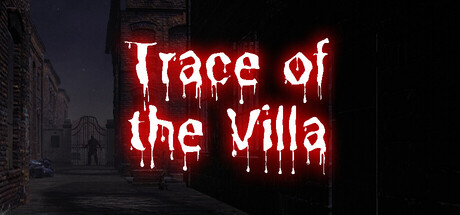
Trace of the Villa — why quiet dread matters more than jump scares
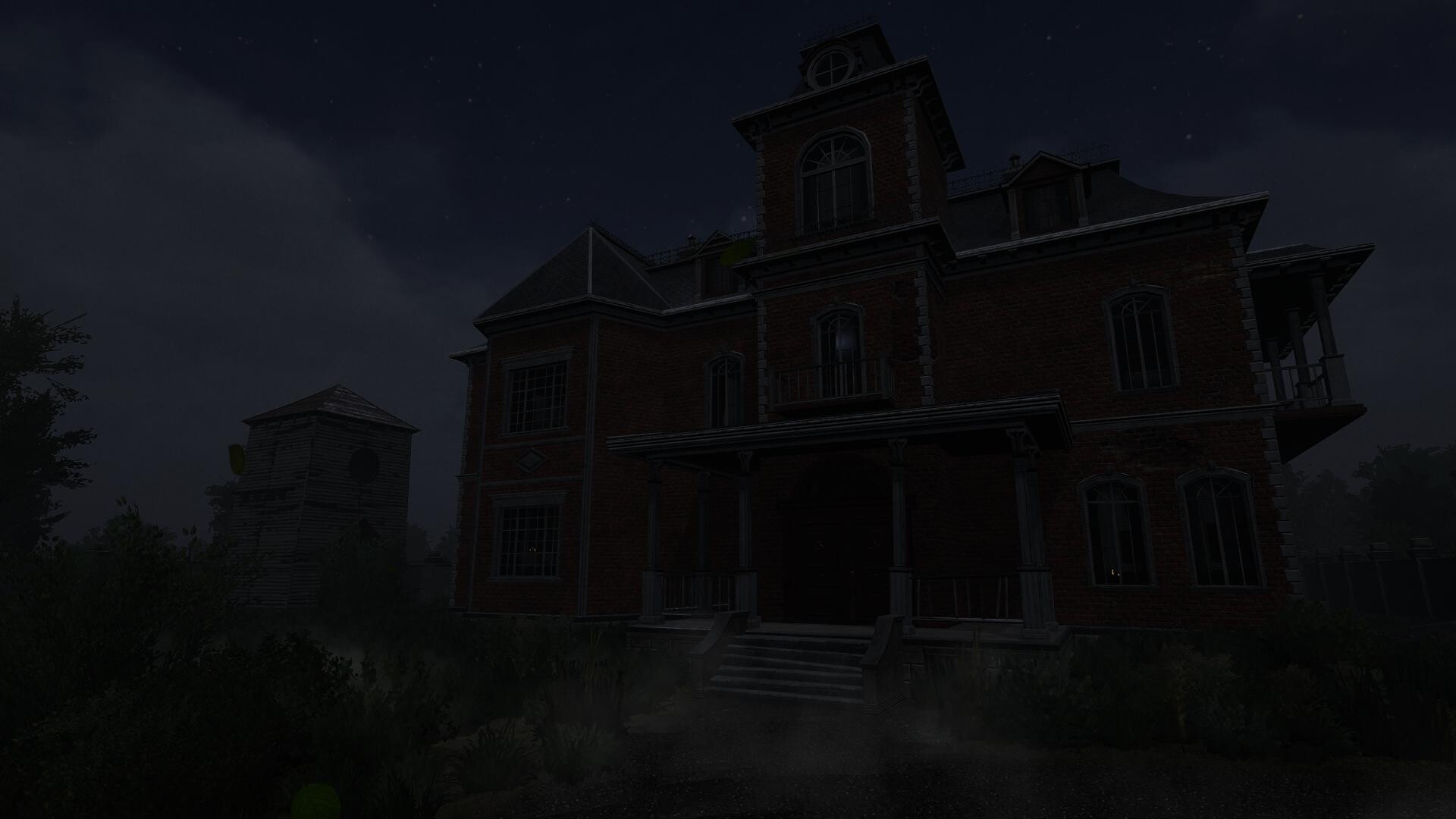
Trace of the Villa places you in a decaying, off-the-grid mansion as Jin chases clues about a missing sister; the game trades loud shocks for an unsettling hush that turns empty spaces into the main antagonist. Its approach—slow restoration of systems, locked rooms, and documents that only reveal fragments—makes uncertainty itself the engine of fear.

What the game is
Trace of the Villa is an atmospheric mystery adventure on PC (Steam) from Steadyturtle Co., Ltd. The official short description sets the premise plainly: Jin has spent years searching for his missing sister and follows a lead to a remote, decaying mansion where manifests and hints suggest she may still be alive. The Steam listing frames the experience as a mix of investigation, exploration, and clue-driven puzzle solving layered over a narrative about erased identities and hidden operations.
Who it’s for
This is for players who prefer psychological investigation over shock-driven horror: people who value environmental storytelling, slow-burn suspense, and narrative puzzle design. If you find tension in an empty room, a flicker of restored power, or a safe that yields another question instead of a single jump scare, Trace of the Villa will likely fit your tastes.
When and where
Trace of the Villa released on 28 May, 2026 and is available on Steam. It is developed and published by Steadyturtle Co., Ltd., and listed under Action, Adventure, and Indie genres; relevant Steam categories include Single-player and Subtitle Options among others.
Why quiet tension and uncertainty matter here
Psychologically, empty spaces and partial information create a prolonged anticipatory state—uncertainty keeps the amygdala active longer than a single loud stimulus. The Steam description for Trace of the Villa emphasizes rooms that look lived-in but lack names or photographs, locked doors that “conceal hastily secured secrets,” and a sensation that identities have been removed. Those details point to a design that weaponizes absence: the house doesn’t need to show a monster to unsettle you; it removes anchors to normalcy and leaves you to imagine what finished those routines. That imagined completion is where dread grows.
How you read clues and progress
The Steam listing describes concrete systems the player uses: restoring power to the estate, reactivating secured systems, unlocking hidden compartments, and extracting fragments from safes and encrypted documents. Progress is driven by piecing together manifests and hints Jin has already recovered; each solved puzzle reveals additional financial trails, falsified identities, or masked movements. In practice, that means exploration and investigative logic—observe, restore, unlock, decode—rather than reflex-based survival mechanics.

Quick facts
| Title | Trace of the Villa |
|---|---|
| Steam AppID | 3483660 |
| Developer | Steadyturtle Co., Ltd. |
| Publisher | Steadyturtle Co., Ltd. |
| Release date | 28 May, 2026 |
| Genres | Action, Adventure, Indie |
| Key Steam categories | Single-player, Color Alternatives, Custom Volume Controls, Playable without Timed Input, Subtitle Options, Family Sharing |
| Premise | Jin searches a remote, decaying mansion for his missing sister using manifests and recovered hints. |
How Trace of the Villa compares — calm terror vs. loud peril
Below is a focused editorial comparison with nearby titles, emphasizing tone, exploration style, and puzzle focus so you can decide fit rather than rank superiority.
| Game | Release | Tone / Focus | Exploration & Puzzle Style | Pacing |
|---|---|---|---|---|
| Trace of the Villa | 28 May, 2026 | Psychological investigation; erased identities and quiet unease | Clue-driven: restore systems, unlock safes, decode documents | Slow-burn, discovery-led |
| Amnesia: The Dark Descent | 8 Sep, 2010 | First-person survival horror emphasizing immersion and dread | Exploration that often ties to survival mechanics and direct threats | Intense spikes of dread and survival tension |
| SOMA | 21 Sep, 2015 | Sci‑fi horror that raises existential questions beneath the ocean | Exploration and narrative puzzles with atmospheric dread | Measured narrative pacing with frequent thematic reveals |
| Layers of Fear (2016) | 15 Feb, 2016 | First-person psychological horror set in a shifting Victorian mansion | Environmental storytelling and reality-bending spaces | Slow to medium, focused on atmosphere and narrative beats |
| Poppy Playtime | 12 Oct, 2021 | Horror/puzzle adventure in an abandoned toy factory | Puzzle-centric with specific tools (GrabPack) and set-piece encounters | Faster, puzzle set-piece rhythm with clear hazard moments |
Player scenarios — who should wishlist this
- If you like slow, investigative storytelling: You’ll appreciate how the mansion’s systems reveal fragments rather than dumping exposition—progress feels earned.
- If environmental storytelling hooks you: Rooms that suggest mid-routine disappearance and missing identifiers will make quiet scenes linger in your mind.
- If you prefer puzzle-first design without twitch survival: The Steam page indicates restoration, decoding, and safe‑opening are central—good for methodical players.
- If you want frequent jump scares and constant threats: This is probably not aimed at you; Trace of the Villa foregrounds uncertainty and slow-accumulating dread.
YouTube discovery
Looking for trailers or gameplay? Use this YouTube search path (results may include trailers and community clips): Search Trace of the Villa on YouTube.
Leave a Reply