Trace of the Villa — an escape-room style mystery built around power, systems, safes and documents
Trace of the Villa puts you in Jin’s shoes as he follows a cold trail to a remote, deliberately forgotten mansion where restoring the estate’s systems is how secrets begin to surface. The game centers on environmental reading and chained clues: switch the lights back on, unlock secured systems, pry open safes and piece together fragmented documents to map a pattern of falsified identities and hidden transfers.

Who, what, when, where, why and how — the essentials
Who is this for?
Players who prefer slow-burn, story-rich adventures and environmental storytelling over twitch reflex challenges. If you enjoy locked-room thinking — using limited, interlocking clues; following document trails; and solving puzzles that hinge on restoring or manipulating systems (power, locks, consoles, safes) — this is aimed at you. The game lists Action, Adventure and Indie as its genres, but its design emphasis is investigative and atmospheric.
What the game is
Trace of the Villa is a single-player mystery-adventure from developer/publisher Steadyturtle Co., Ltd. Its premise: Jin finds manifests and hints in a decaying mansion that suggest his missing sister may still be alive and that the estate was part of a larger, secret operation. Official Steam text highlights that restoring power brings secured systems back online, safes yield encrypted document fragments, and each unlocked element reveals another clue in a chain.
When and where
Trace of the Villa released on 28 May, 2026 and is available on Steam for PC. The Steam store page lists single-player features and accessibility options such as color alternatives, custom volume controls, playable without timed input, subtitle options and family sharing; that signals a focus on thoughtful puzzle play rather than speed-based mechanics.
Why the theme matters
The mansion-as-system conceit turns exploration into procedural investigation. Power, security systems and safes are not just props — they’re gameplay pivots. When a game foregrounds mechanisms that power the environment, reading wiring, logs and transfer records becomes the primary method of narrative discovery. That materiality appeals to players who like evidence chains that point to systemic wrongdoing rather than isolated jump scares.
How you progress — reading the environment
- Restore estate systems: the official description makes it clear that reactivating power and secured systems causes new interactions to become available — consoles boot, hidden compartments open, safes yield fragments.
- Collect fragments and manifests: fractured documents and suspicious transfer records serve as puzzle outputs and connective tissue for the mystery. They require synthesis — matching names, dates and oddities to create a timeline.
- Chain clues together: each solved lock or decrypted file reveals another layer. Progression is less about isolated puzzles and more about constructing a coherent narrative from dispersed evidence.
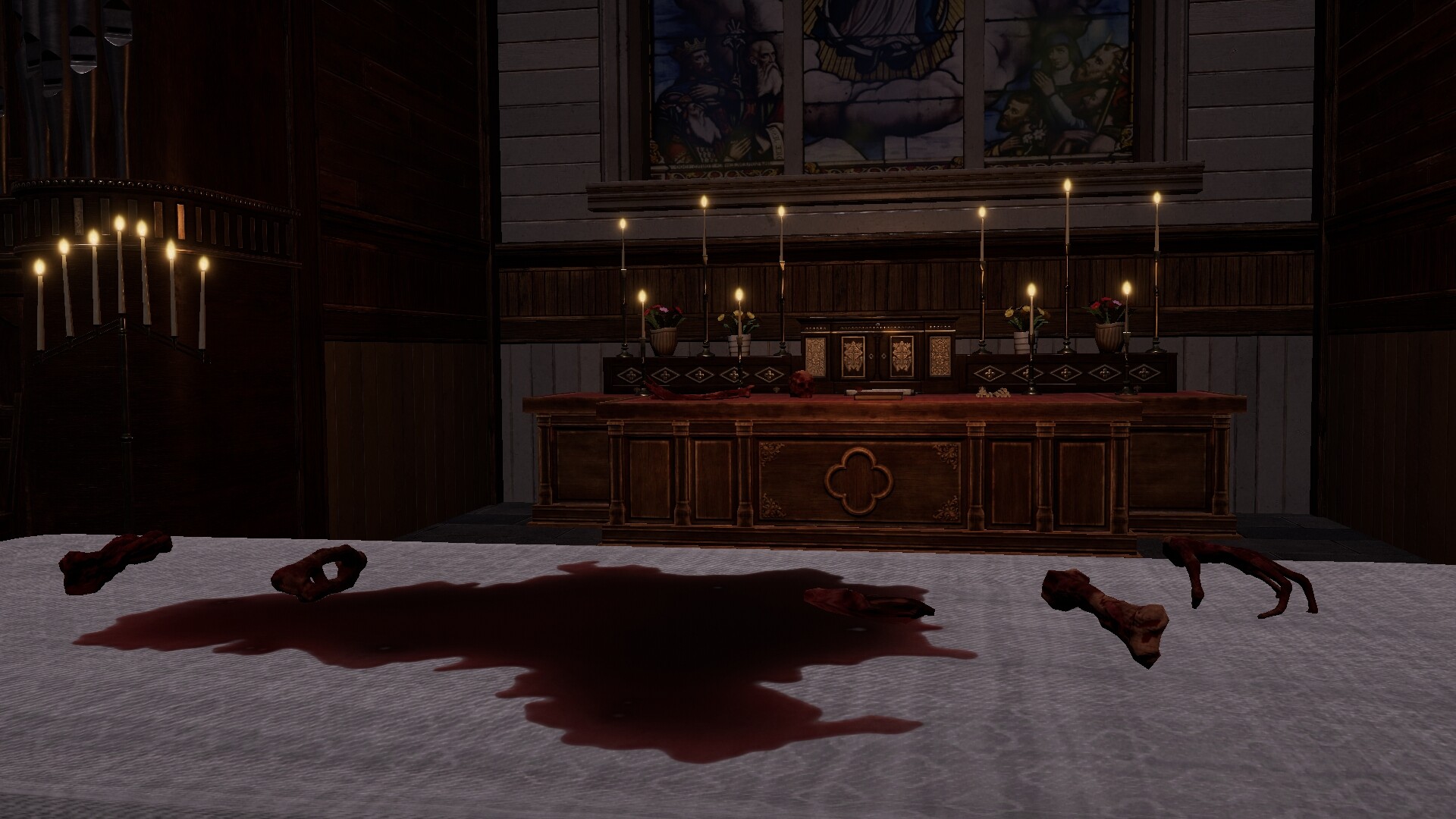
Official images — screenshots that show the tone

Quick facts
| Title | Trace of the Villa |
|---|---|
| Developer / Publisher | Steadyturtle Co., Ltd. |
| Release date | 28 May, 2026 |
| Genres | Action, Adventure, Indie |
| Key Steam categories / features | Single-player; Color Alternatives; Custom Volume Controls; Playable without Timed Input; Subtitle Options; Family Sharing |
How Trace of the Villa compares to nearby puzzle/mystery titles
Below is a focused editorial comparison based on genre, atmosphere, puzzle focus and player fit — intended to help decide which experience matches your taste.
| Title | Release date | Genre / Tone | Puzzle & exploration focus | Player fit |
|---|---|---|---|---|
| Trace of the Villa | 28 May, 2026 | Action / Adventure / Indie — atmospheric, investigative | Systems-first: restoring power, secured systems, safes and fragmented documents drive chained clue solving. | Players who want slow-burn, document-led mystery and environmental detective work. |
| The Room | 28 Jul, 2014 | Adventure / Indie — claustrophobic, mechanical | Focused, tactile puzzle boxes and a single-room locked-object feel; mechanical puzzles with a tactile loop. | Players who enjoy compact, highly engineered object puzzles and tactile lock mechanics. |
| The Room Two | 5 Jul, 2016 | Adventure / Indie — cryptic, exploratory | Expands the single-room conceit into multiple interconnected environments; puzzle boxes remain central. | Those who liked The Room but want a broader, multi-space puzzle sequence with the same mechanical intensity. |
| Escape Simulator | 19 Oct, 2021 | Adventure / Simulation / Indie — interactive, playful | Highly interactive environments and community rooms; object interaction and physics-driven puzzles with both solo and co-op options. | Players who favor sandbox interaction, cooperative solves, and a wider variety of room types. |
| Hi-Fi RUSH | 25 Jan, 2023 | Action — rhythm-driven, kinetic | Fast-paced, combat and rhythm mechanics; not puzzle-focused. Atmosphere and pacing are high-energy rather than investigative. | Players seeking action, rhythm-combat and brisk pacing — not a fit for clue-chain investigation. |
Player scenarios — who should wishlist this
- Inspectors of systems: you enjoy games where flipping a breaker or booting a console literally unlocks the next narrative beat.
- Clue-chain synthesizers: you like following fragmented documents, matching manifests and timelines to reconstruct events.
- Atmospheric explorers: slow pacing, environmental storytelling and a sense that the house itself is withholding information appeal to you.
- Not for speedrunners or action-only players: the Steam page emphasizes playability without timed input and subtitle options — features that favor careful reading over reflex tests.
Where to see more — trailer and discovery
You can search for trailers and gameplay videos via this YouTube discovery path (search results may include trailers and fan uploads): Search Trace of the Villa trailers on YouTube.
View Trace of the Villa on Steam
Disclaimer: referenced titles and trademarks belong to their respective
Leave a Reply