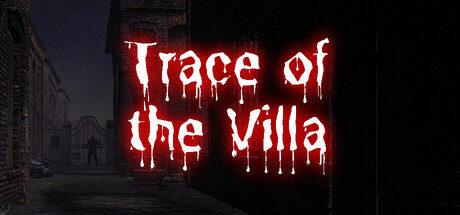
Trace of the Villa — a slow-burn, clue-driven mansion mystery for narrative puzzle fans
Trace of the Villa casts you as Jin, who follows a cold lead to a remote, decaying mansion and begins restoring power to reveal manifests, encrypted documents, and traces that may point to his missing sister. Released on 28 May, 2026 by Steadyturtle Co., Ltd., the game blends environmental storytelling with object-based puzzles and systems that unlock as the house comes back online.

Who, what, when, where, why, and how
Who it’s for
Players who prefer atmospheric mystery adventures with detective-style reading of documents and objects, slow-burn suspense rather than fast action, and single-player exploration will find this pitch aligned to their tastes. The Steam listing positions Trace of the Villa in Action / Adventure / Indie and tags it Single-player with accessibility options such as color alternatives, custom volume controls, subtitle options, and “playable without timed input.”
What the game is
Trace of the Villa places Jin inside a deliberately forgotten estate where rooms appear suddenly abandoned and identities seem erased. The core loop is investigative: recover manifests and hints, restore estate systems, open hidden compartments and safes, and piece together fragments of encrypted transfer records and falsified identities.
When and where
Trace of the Villa launched on Steam on 28 May, 2026. It is published and developed by Steadyturtle Co., Ltd.; the Steam page lists typical PC-friendly categories and accessibility features as shown on the store listing.
Why the theme matters
The narrative premise — disappearances, falsified records, and a house that seems “erased” — makes clue-reading meaningful: every object, powered system, and encrypted fragment contributes to a timeline you assemble. For players who value psychological investigation and financial/identity trail puzzles rather than jump scares, that theme promises a puzzle hierarchy tied tightly to story reveals.
How you progress
Progression is driven by object logic and layered systems rather than arbitrary metapuzzles. The official description emphasizes restoring power to the estate so secured systems come back online, hidden compartments unlock, and safes yield fragments of encrypted documents. That suggests a pattern: environmental fixes and localized puzzle solutions reveal pieces of a larger investigative ledger that guide your next steps.
What to expect from the puzzle design
Trace of the Villa appears to prioritize clue reading and document examination as primary puzzle vectors. Expect puzzles that require interpreting manifests and suspicious transfer records, using restored systems to access locked areas, and combining object-based logic with emerging narrative clues. The Steam categories also note “Playable without Timed Input” and subtitle options — useful for players who prefer careful, unhurried investigation.


Player-fit scenarios — who should wishlist this
- Document-first detectives: You enjoy piecing timelines together from manifests, receipts, and encrypted fragments rather than pure mechanical puzzle rooms.
- Slow-burn atmosphere fans: You prefer a creeping, unsettling mansion mystery with environmental storytelling and no pressure from timed mechanics.
- Explorers who like systems: You like restoring power or systems to reveal new gameplay possibilities — devices, safes, and hidden compartments that change the map.
- Accessibility-conscious players: You want subtitle options and the ability to play without timed input; the Steam page lists these categories.
Compact facts — Trace of the Villa
| Title | Trace of the Villa |
|---|---|
| Developer / Publisher | Steadyturtle Co., Ltd. |
| Release date | 28 May, 2026 |
| Genres | Action, Adventure, Indie |
| Key Steam categories | Single-player; Color Alternatives; Custom Volume Controls; Playable without Timed Input; Subtitle Options; Family Sharing |
| Steam reviews (public) | No user reviews (0 reviews at time of listing) |
How it compares to nearby puzzle/mystery titles
The following table is an editorial comparison on lawful criteria: genre, atmosphere, puzzle focus, exploration style, story tone, and pacing. These are intended to help you decide fit, not to claim superiority.
| Title | Genre (store) | Atmosphere / Story tone | Puzzle focus | Exploration style | Typical player fit |
|---|---|---|---|---|---|
| Trace of the Villa | Action / Adventure / Indie | Psychological investigation; slow, unsettling mansion mystery | Clue reading, object logic, encrypted documents and system restoration | Room-to-room, systems-based exploration with hidden compartments and safes | Players who want narrative-linked puzzles and investigation |
| The Room | Adventure / Indie | Focused, tactile mystery around elaborate puzzle boxes | Mechanical, object-manipulation puzzles in confined spaces | Isolated puzzle environments; self-contained rooms | Players who prefer tactile, box-like puzzles and immediate puzzle feedback |
| Escape Simulator | Adventure / Casual / Indie / Simulation | Bright, playful escape-room scenarios (varies by room) | Highly interactive object puzzles; physics and item combination | Room-based puzzles, often with high interactivity and community content | Players who like hands-on interaction and cooperative or community rooms |
| Unpacking | Casual / Indie / Simulation | Quiet, domestic atmosphere; found-object storytelling | Environmental puzzle / placement and inference from belongings | Slow, domestic spaces that reveal life stories through objects | Players who enjoy zen, narrative-driven object puzzles and domestic storytelling |
Where to find trailers and gameplay
If you want to watch footage, use
Steam page
View Trace of the Villa on Steam
YouTube discovery
For trailer and gameplay discovery, use YouTube search rather than relying on unverified embeds: Find Trace of the Villa trailer and gameplay searches on YouTube.
Leave a Reply