Who should consider Trace of the Villa after atmospheric mystery adventures?
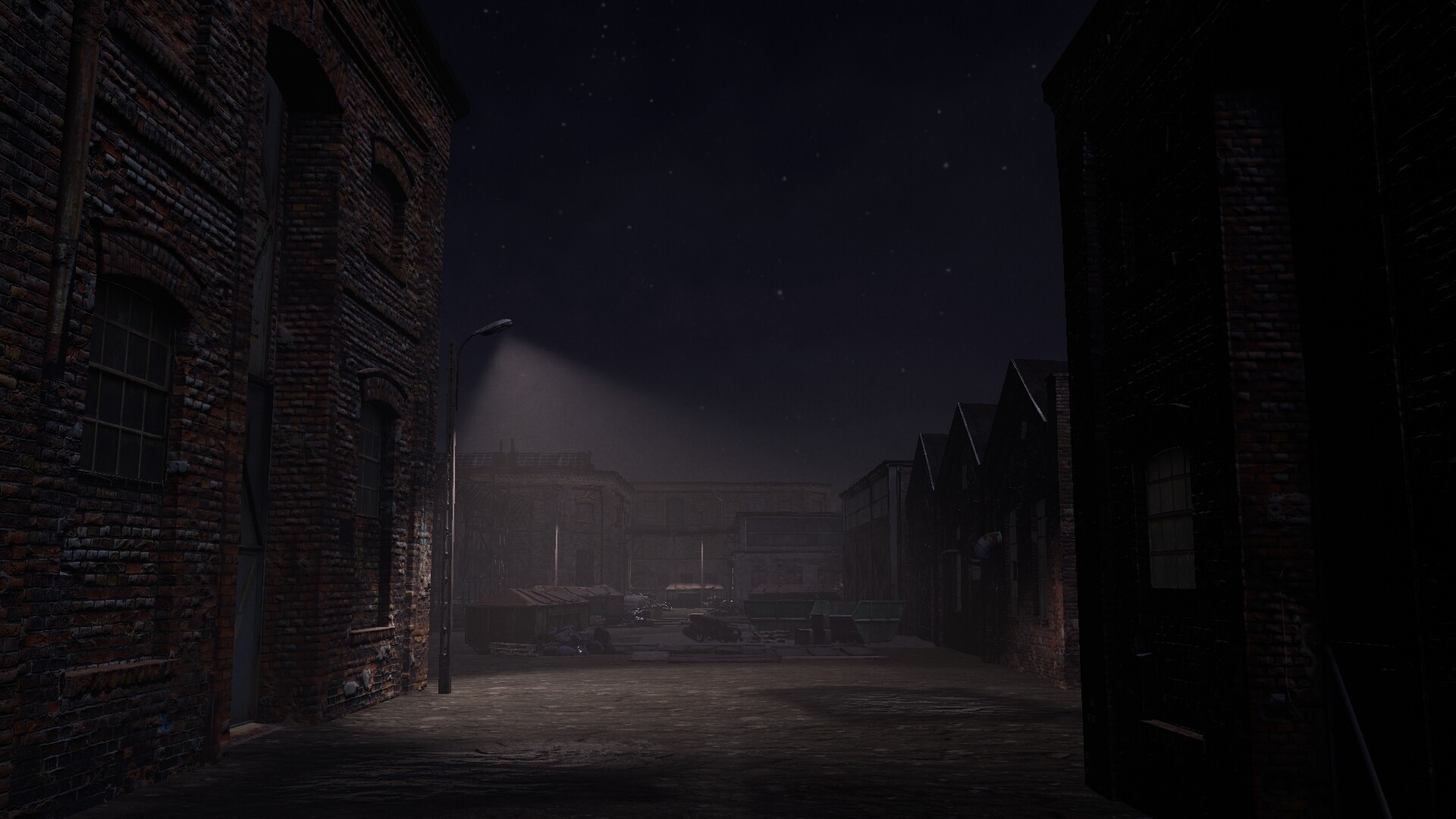
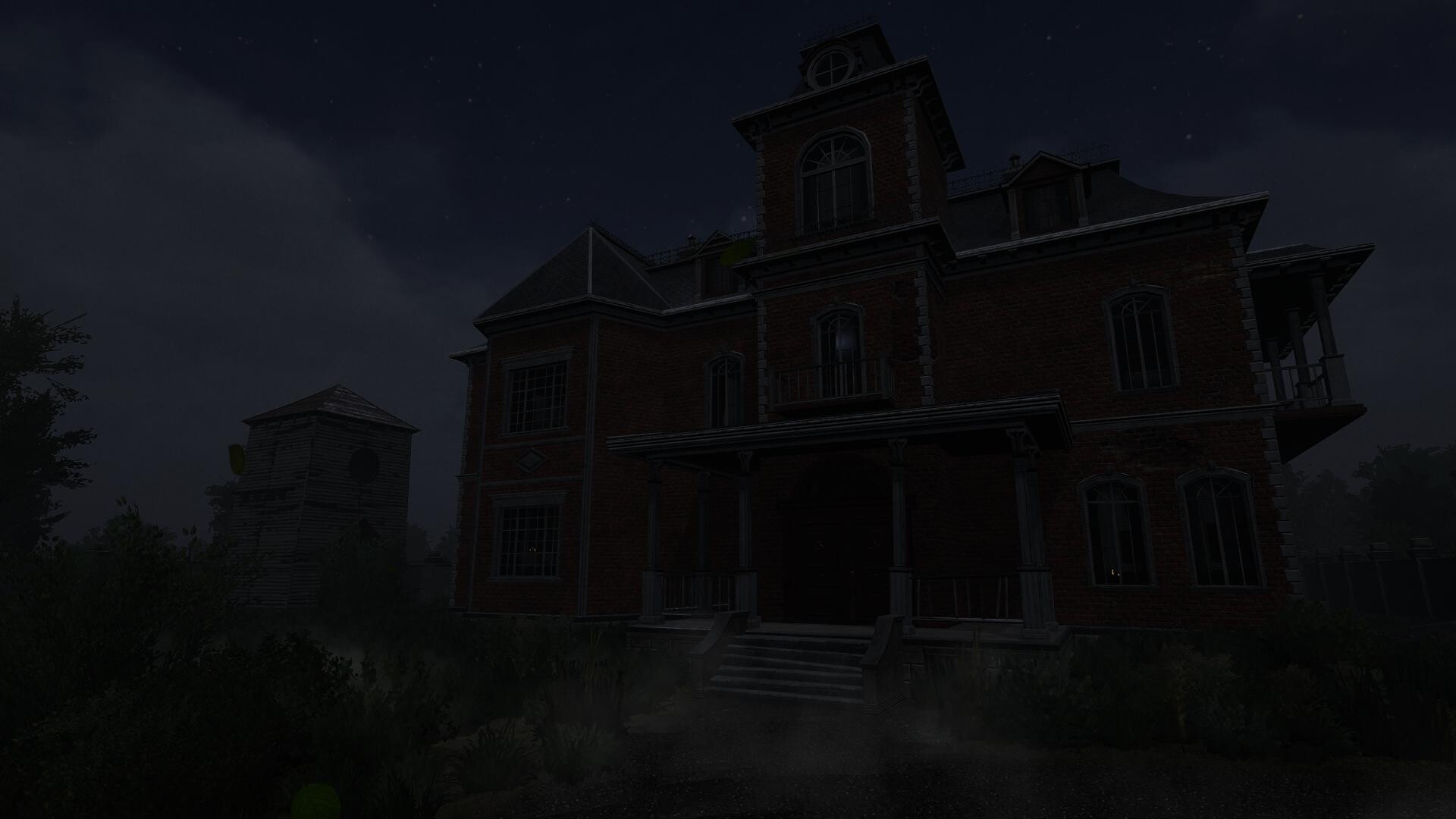
Trace of the Villa puts you in Jin’s shoes as he follows a cold trail into a remote, decaying mansion, recovering manifests and encrypted fragments that suggest his missing sister may still be alive. The game leans into evidence-led investigation, dark rooms, and the slow, unsettling work of piecing together what happened behind locked doors.

Quick facts
| Title | Trace of the Villa |
|---|---|
| Steam appid | 3483660 |
| Release date | 28 May, 2026 |
| Developer / Publisher | Steadyturtle Co., Ltd. |
| Genres | Action, Adventure, Indie |
| Key Steam categories | Single-player; Color Alternatives; Custom Volume Controls; Playable without Timed Input; Subtitle Options; Family Sharing |
| Short premise | Jin recovered manifests and hints in a remote mansion suggesting his missing sister may still be alive; he must follow a trail of encrypted documents, safes, and hidden systems to learn the truth. |
What the game is
Trace of the Villa is a Steam indie action-adventure built around environmental storytelling and clue-driven exploration. The official description emphasizes locked doors, restored power that reveals hidden systems, encrypted documents and transfer records — the structure and tone are oriented around investigation by evidence rather than fast twitch mechanics.
When and where
The game released on Steam on 28 May, 2026 and is listed for PC via its Steam store page. The Steam listing includes accessibility-focused categories such as subtitles, custom volume controls and options that avoid timed input, which can matter for players who prefer a measured, puzzle-focused pace.
Why the documentary / evidence-led theme matters
Trace of the Villa centers on forensics-style investigation: manifests, suspicious transfer records and encrypted fragments form the primary breadcrumb trail. That emphasis shifts the player’s work from jump scares to methodical pattern recognition — reading documents, restoring systems, and unlocking compartments to build a timeline. If you like narrative puzzles that treat clues as forensic evidence, that tone will be central to the experience.
How you progress — reading clues and moving forward
The official description describes restoring power and reactivating secured systems as a gameplay driver: solving puzzles leads to safes and encrypted documents, and those documents redirect you to the next lead. Progression appears to be locked to discovery and interpretation — you find physical and digital artifacts, decode or collect them, then follow the financial and identity traces they reveal.
Who should wishlist Trace of the Villa?
- Players who prefer atmospheric mystery adventure over constant action — if you like slowly assembling a timeline from objects and files, this fits.
- Fans of evidence-led investigations and environmental storytelling who enjoy decoding documents, following financial trails, and unlocking hidden compartments.
- Those who seek story-rich adventures with a personal motive (Jin searching for his sister) rather than open-world exploration or fast-paced combat.
- PC players who value accessibility options like subtitle support, custom audio controls and play without timed input.
Player scenarios — concrete use cases
Scenario A: You enjoyed Amnesia or Layers of Fear for their mood but felt those leaned hard on horror; you want a mystery where the primary reward is uncovering records and motives rather than escalating scares. Trace of the Villa’s focus on manifests and encrypted transfers will appeal.
Scenario B: You favor puzzle-adventure games where story advances by reading and collating evidence (documents, safes, system logs). If you spent time with The Room’s tactile puzzles or Rusty Lake’s curated vignette puzzles, the investigative through-line here is comparable while skewing more toward narrative forensics.
Scenario C: You want a linear, single-player mystery with adjustable accessibility — Trace of the Villa lists categories such as subtitles and no timed input, which suits players who prefer to work at their own pace.
How it compares to nearby mystery and puzzle games
| Title | Core focus | Exploration / puzzle style | Story tone & pacing | Notable release year |
|---|---|---|---|---|
| Trace of the Villa | Evidence-led mansion investigation | Document decoding, safes, system reactivation | Slow-burn, personal mystery (search for a missing sister) | 2026 |
| Amnesia: The Dark Descent | Immersive survival horror | First-person atmospheric exploration, physics puzzles | Claustrophobic, dread-driven pace | 2010 |
| SOMA | Sci-fi horror with philosophical narrative | Exploration and environmental puzzle-solving, narrative revelations | Slow, existential tone beneath-the-surface setting | 2015 |
| Layers of Fear (2016) | Psychological mansion exploration | Shifting rooms, story-as-puzzle | Unsettling, introspective, variable pacing | 2016 |
| The Room | Tactile puzzle box mystery | Focused mechanical puzzles with tactile interaction | Concentrated, puzzle-first storytelling | 2014 |
| Rusty Lake Hotel | Vignette puzzle-horror | Short, surreal point-and-click puzzles | Darkly whimsical; episodic pacing | 2016 |
How Trace of the Villa differs in player fit
Compared to first-person horror like Amnesia or SOMA, Trace of the Villa’s pitch stresses documentary evidence and locked systems rather than stamina mechanics or prolonged chase sequences. Compared to puzzle-box titles such as The Room, the game appears to emphasize narrative traces across a property and the interpretation of records and transfers rather than single-object mechanical puzzles. If you prioritize investigative clarity and a personal narrative motive over constant threat-based tension, Trace of the Villa is a likely match.
Where to find trailers and gameplay
For trailers and gameplay search results, try the YouTube discovery path: Trace of the Villa trailer & gameplay on YouTube. This is a search link for discovery; a specific official video should be verified on the publisher’s channels when possible.
View Trace of the Villa on Steam
Referenced titles and trademarks are the property of their respective owners; comparisons here are editorial discovery only.
Leave a Reply