Trace of the Villa — who should add this investigative mansion mystery to their wishlist?
Trace of the Villa puts you in the shoes of Jin, a seeker tracing a cold lead to a remote, decaying mansion and the manifests, safes, and encrypted documents left behind. Released on 28 May, 2026 by Steadyturtle Co., Ltd., it markets itself as an action/adventure indie built around clue-driven exploration and slow-burn suspense.

Quick facts
| Title | Trace of the Villa |
|---|---|
| Release date | 28 May, 2026 |
| Developer / Publisher | Steadyturtle Co., Ltd. |
| Genres | Action, Adventure, Indie |
| Key Steam categories | Single-player; Color Alternatives; Custom Volume Controls; Playable without Timed Input; Subtitle Options; Family Sharing |
| Steam page | View Trace of the Villa on Steam |
Who should consider Trace of the Villa?
This is for players who prioritize investigative adventure over twitch reflexes: if you enjoy unraveling stories by reading documents, probing furnished rooms, and assembling financial or identity fragments into a timeline, Trace of the Villa is aimed at that appetite. It will appeal to people who prefer environmental storytelling and puzzle design that rewards careful observation and deduction rather than combat or action spectacle.
What the game actually is
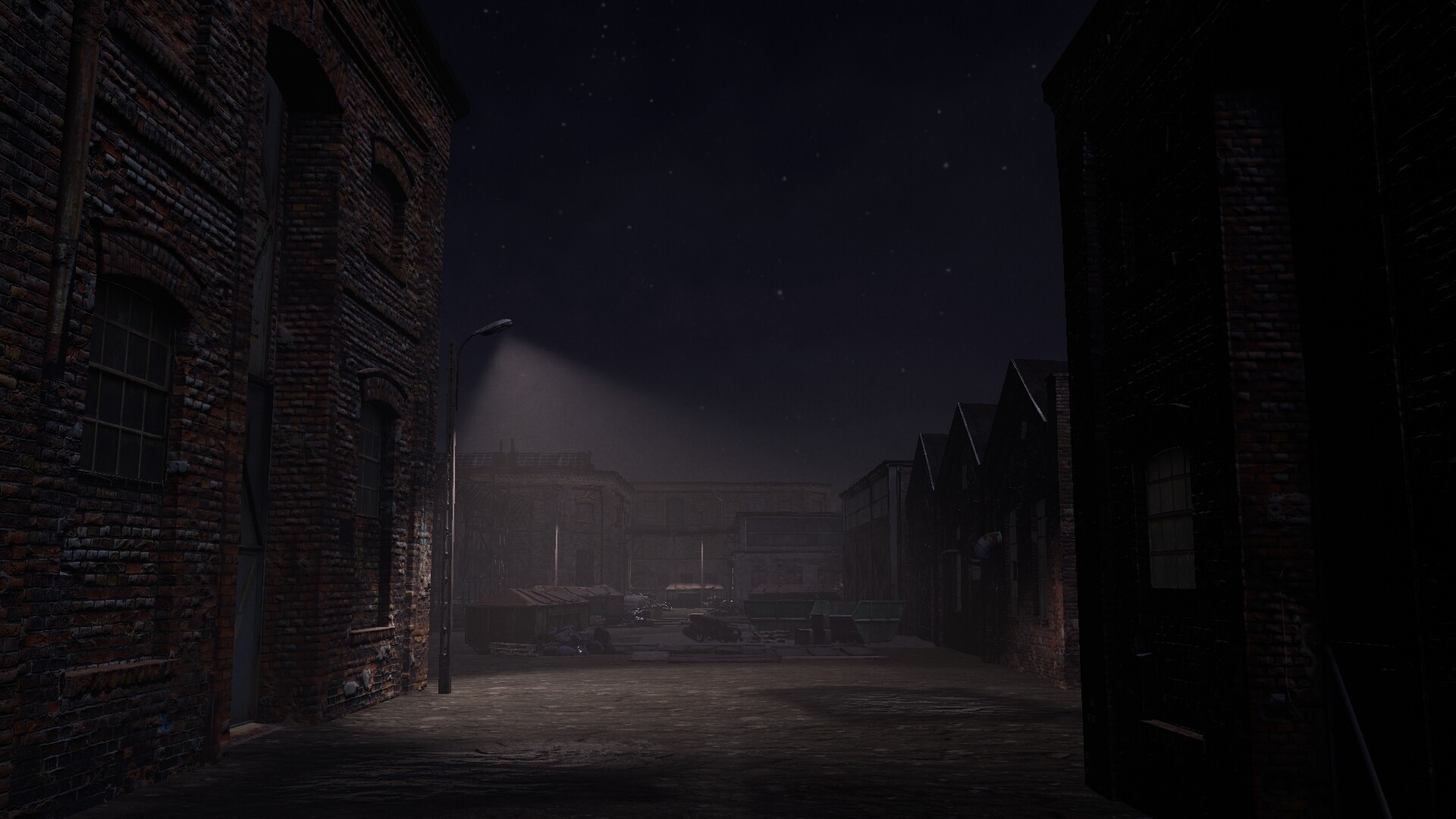
Official Steam text frames the premise succinctly: Jin has spent years searching for his missing sister and follows a lead to a secluded mansion where manifests and hints suggest she may still be alive. The description emphasizes exploration of a property that feels “less abandoned than erased,” the restoration of power to reveal locked systems, and fragments of encrypted documents and suspicious transfer records. Expect an investigation built around rooms that retain traces of past occupants, safes and hidden compartments, and a narrative stitched together by recovered evidence.
When and where
Trace of the Villa is available on Steam from 28 May, 2026. The Steam store entry lists it under Action / Adventure / Indie and includes accessibility-friendly categories such as Subtitle Options, Color Alternatives, and Playable without Timed Input—useful signals for players who want a measured puzzle pace without forced reflex checks.
Why the mansion-investigation theme matters
Mansion mysteries carry a particular design promise: dense, contained spaces with layered props, locked containers, and a believable accumulation of clues. Trace of the Villa leans into that by foregrounding recovered manifests, encrypted documents, and tampered records. For players who prize narrative puzzles that emerge from realistic artifacts rather than abstract riddles, the theme keeps the mystery grounded and investigative momentum steady.
How progression looks — reading the evidence
The Steam description highlights specific systems you’ll engage with: restoring power to the estate, reactivating secured systems, and opening hidden compartments and safes to retrieve fragments of information. Progression appears to rely on collecting physical traces (manifests, personal effects, transfer records) and interpreting them into timelines and connections. That means a heavier emphasis on note-taking, cross-referencing discovered documents, and following financial/identity clues rather than solving isolated “spectacle” puzzles.
Player scenarios — who will enjoy it most
- If you liked tactile puzzle boxes and slow reveals: You’re likely to enjoy Trace of the Villa’s locked safes, hidden compartments, and layered reveals—similar pleasures to games that reward patience and attention to physical detail.
- If you prefer document-driven mysteries: The game’s focus on manifests, encrypted records, and falsified identities suits players who enjoy piecing together a timeline from textual fragments.
- If you want atmosphere and controlled pacing: The mansion’s “erased” feel and the emphasis on restoring systems suggest a slow-burn approach rather than constant scares or action bursts.
- If you need accessibility options: Steam categories list subtitle options, color alternatives, custom volume controls, and no required timed input—helpful if you prefer a deliberate investigative tempo.
Comparison: similar mystery/adventure experiences
Below is a concise editorial comparison to help you place Trace of the Villa among other atmospheric investigative titles. This is a tonal and mechanical comparison—no endorsement implied.
| Title | Focus | Atmosphere / Tone | Puzzle / Exploration Style | Pacing |
|---|---|---|---|---|
| Amnesia: The Dark Descent | Survival horror, immersion | Bleak, terrifying | Environmental puzzles, hiding and survival mechanics | High tension, frequent scares |
| SOMA | Sci‑fi horror, existential investigation | Claustrophobic, philosophical | Exploration plus puzzle sequences tied to narrative reveals | Measured, narrative-heavy |
| Layers of Fear (2016) | Psychological horror, story-driven | Surreal, painterly dread | Environmental puzzles, shifting spaces | Slow, creeping |
| The Room | Mechanical puzzle-box investigation | Mysterious, intimate | Focused tactile puzzles and safes | Compact, puzzle-focused |
| Rusty Lake Hotel | Point-and-click puzzle anthology | Odd, eerie | Short puzzle scenarios with narrative threads | Brief, episodic |
| Trace of the Villa | Investigative mansion mystery | Erased, documentary-like unease | Document and room-based evidence gathering, safes, encrypted records | Slow-burn, investigative |
Deciding checklist — should you wishlist it?
- Yes, if you enjoy story-rich adventures built from documents, room-based evidence, and timeline reconstruction.
- Consider waiting if you want fast action, frequent combat, or a horror game driven by constant tension rather than steady investigation.
- Wishlist if accessibility options like subtitles and no timed input matter to you.
Watch the trailer / find gameplay
Search for trailers and gameplay on YouTube: https://www.youtube.com/results?search_query=Trace+of+the+Villa+trailer+gameplay (use this as a discovery path; a matching official video can be verified on the Steam page).
Disclaimer: referenced titles and trademarks belong to their respective owners. Comparisons here are editorial discovery only, focused on genre, atmosphere, puzzle
Leave a Reply