Who should wishlist Trace of the Villa after atmospheric mystery adventures?
Trace of the Villa is a slow-burn investigative adventure about Jin, a man chasing leads to find his missing sister inside a remote, decaying mansion. Released on 28 May, 2026 by Steadyturtle Co., Ltd., the game foregrounds room-by-room exploration, recovered manifests, and encrypted documents that gradually expose a concealed operation.

Quick facts
| Title | Trace of the Villa |
|---|---|
| Steam AppID | 3483660 |
| Release date | 28 May, 2026 |
| Developer / Publisher | Steadyturtle Co., Ltd. |
| Genres | Action, Adventure, Indie |
| Notable categories | Single-player; Color Alternatives; Custom Volume Controls; Playable without Timed Input; Subtitle Options; Family Sharing |
| Short premise | Jin investigates a remote, decaying mansion where manifests and hints suggest his missing sister may still be alive. |
Who is Trace of the Villa for?
Trace of the Villa is aimed at players who enjoy atmospheric mystery adventures built around environmental storytelling and document-driven puzzles. If you favor slow-burn suspense, room-by-room investigation, and reading fragmented evidence to assemble a timeline, this title matches that taste. The official description highlights restored power, safes, encrypted documents, and suspicious transfer records — cues that appeal to players who like clue-led progress rather than constant action.
What the game actually is
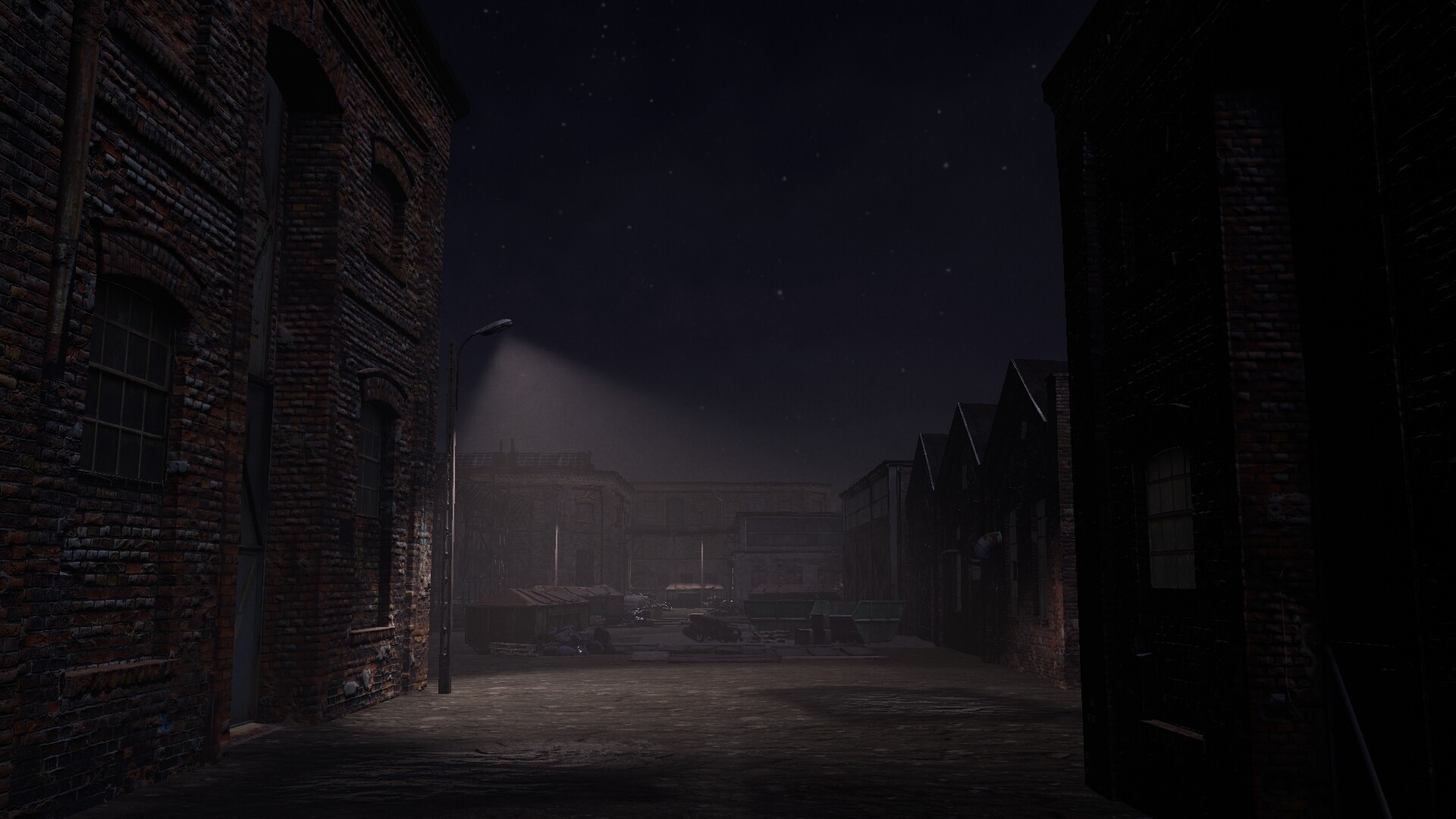
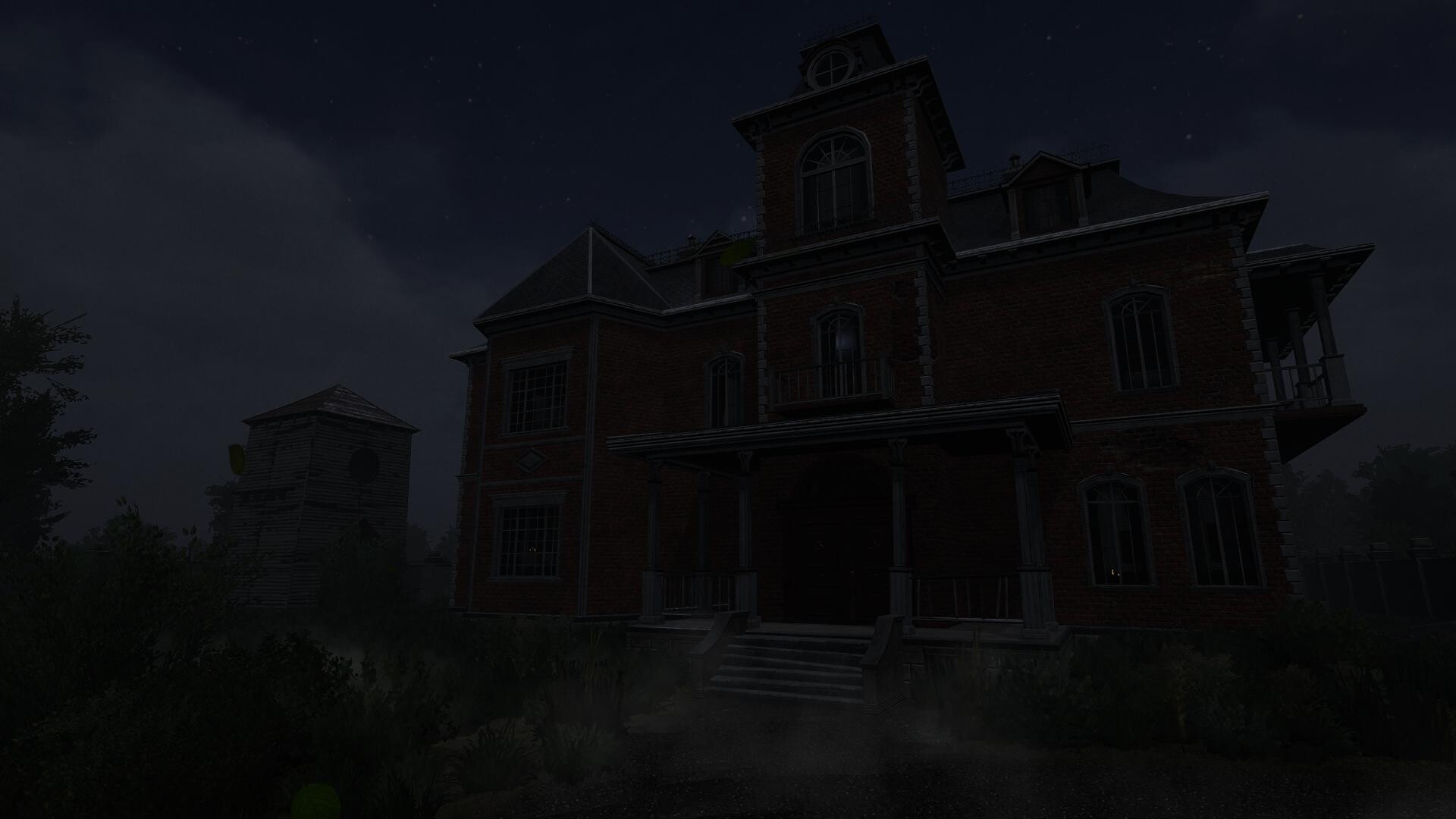
Officially described on Steam, Trace of the Villa follows Jin as he explores a property that appears deliberately forgotten. Rooms appear ‘erased’ of identity, locked doors hide secured secrets, and restoring the estate’s systems brings hidden compartments and fragments of encrypted documents to light. The narrative focus is investigative: manifests, falsified identities, and financial trails emerge as the protagonist pieces together what happened in the house.
When and where
Trace of the Villa released on 28 May, 2026 and is available on Steam for PC. If you want to open the store page directly, use this link: Trace of the Villa on Steam.
Why the investigative theme matters
Because the game centers on manifests, encrypted documents, and concealed systems, its emotional and mechanical weight comes from deduction and context, not jump scares alone. The mansion setting and the ‘erased’ identities premise position the experience as a narrative puzzle: the environment itself is the primary storyteller. That makes the title appealing to players who derive satisfaction from connecting smaller clues into larger revelations about motive, movement, and who might still be alive.
How progression and clues work (from the official description)
- Exploration of furnished-but-empty rooms reveals evidence and locked areas.
- Restoring power to the estate makes secured systems come back online, unlocking hidden compartments and safes.
- Safes and systems yield fragments of encrypted documents, manifests, and suspicious transfer records.
- Players piece together a timeline from these fragments to trace arrivals, departures, falsified identities, and the larger operation the mansion was involved in.
Those elements point to a loop of careful search, document analysis, and logical assembly of disparate clues rather than purely reflex-driven gameplay. The Steam categories also indicate accessibility options like Subtitle Options, Color Alternatives, and Playable without Timed Input, which matter if you prefer deliberate, readable investigations.
Player scenarios — who should wishlist it now
- Scenario A: You loved puzzle boxes and tactile problem-solving in The Room. You’ll likely appreciate the mansion’s locked compartments, safes, and manifest fragments as tangible puzzle rewards.
- Scenario B: You played Layers of Fear or similar Victorian-mansion story pieces for atmosphere and a steady reveal. Trace of the Villa leans on furnished rooms and the sense of lives interrupted, so the tone should appeal to you.
- Scenario C: You prefer science-fiction or existential horror like SOMA but want a grounded investigative focus. Expect fewer cosmic questions and more document-driven revelations tied to human systems (transfers, identities, control).
- Scenario D: You enjoy short, strange vignette-style mysteries such as Rusty Lake Hotel where each room or chapter feels like a cryptic piece of the whole. Trace of the Villa’s fragmentary documents and manifests aim for a similar reward loop of interpretation.
Comparison: Trace of the Villa vs. nearby mystery/adventure titles
| Title | Genre / Focus | Atmosphere | Puzzle / Investigation emphasis | Pacing / Player fit |
|---|---|---|---|---|
| Trace of the Villa | Action, Adventure, Indie — mansion investigation | Decaying, erased identities, claustrophobic house | Document fragments, locked compartments, systems restoration | Slow-burn, clue-driven; suited to careful explorers |
| Amnesia: The Dark Descent | Action, Adventure, Indie — survival horror | Immersive terror, psychological dread | Puzzle elements but heavy focus on survival and atmosphere | Intense immersion; best for players seeking horror and tension |
| SOMA | Action, Adventure, Indie — sci-fi horror | Underwater, existential, unsettling | Document and audio logs with narrative puzzles | Slow, narrative-heavy; appeals to players who like philosophical suspense |
| Layers of Fear (2016) | Adventure, Indie — psychological horror | Victorian, shifting mansion, artistic paranoia | Environmental puzzles tied to changing rooms | Psychological, atmospheric; fits players who like narrative mood swings |
| The Room | Adventure, Indie — tactile puzzle box | Isolated, focused on single-object mystery | Highly puzzle-centric with mechanical locks and devices | Puzzle-first; ideal for players who like precise, mechanical solving |
| Rusty Lake Hotel | Adventure, Indie — vignette puzzles |
Leave a Reply