
Trace of the Villa — who should wishlist this atmospheric mystery adventure
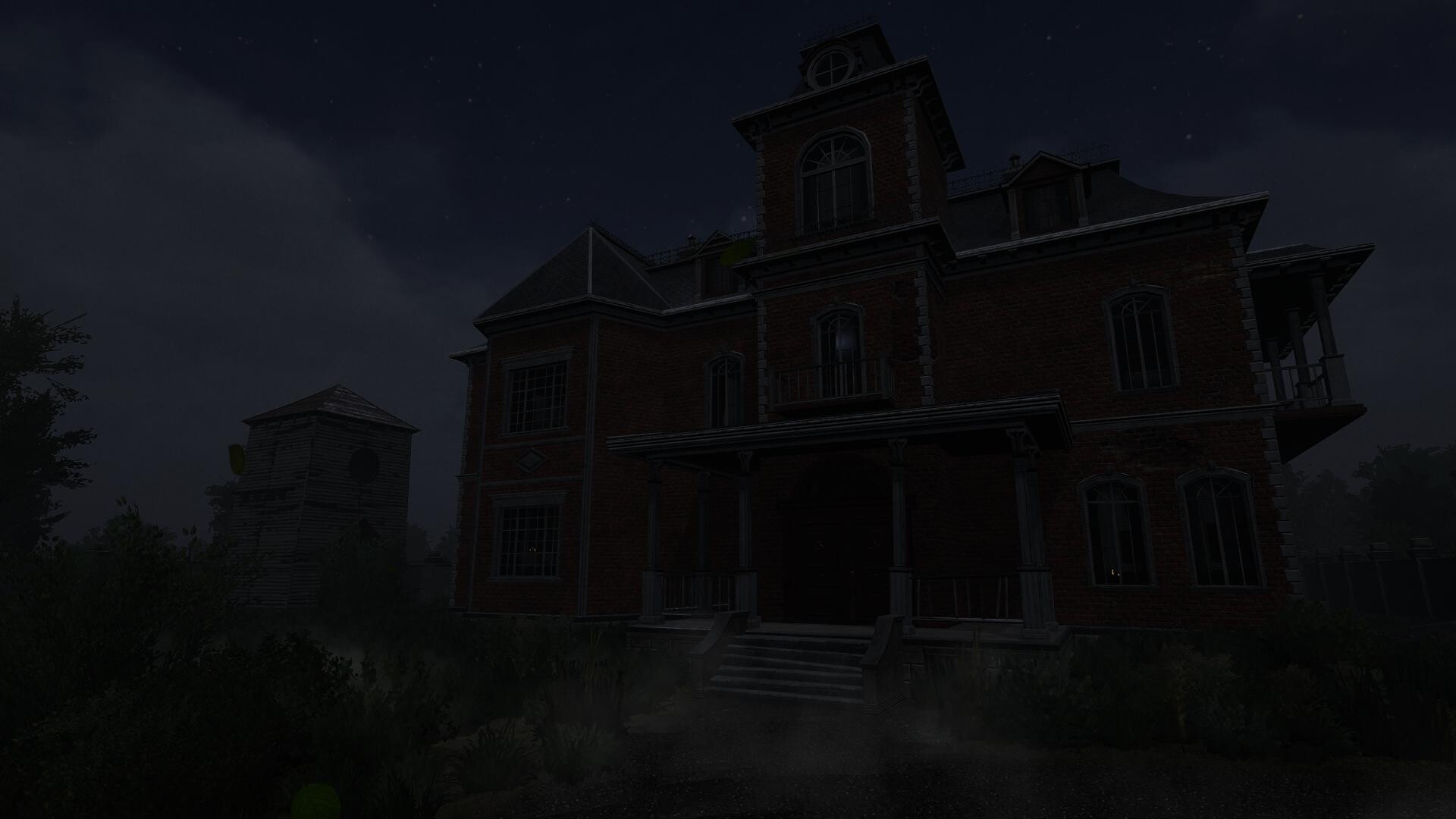
Trace of the Villa is a clue-driven investigative adventure centered on Jin’s search for his missing sister inside a remote, decaying mansion. It pairs environmental storytelling and recovered documents with locked systems, safes, and puzzles that reveal a wider, concealed operation.

Facts at a glance
| Title | Trace of the Villa |
|---|---|
| Steam App ID | 3483660 |
| Release date | 28 May, 2026 |
| Developer | Steadyturtle Co., Ltd. |
| Publisher | Steadyturtle Co., Ltd. |
| Genres | Action, Adventure, Indie |
| Key Steam categories | Single-player; Color Alternatives; Custom Volume Controls; Playable without Timed Input; Subtitle Options; Family Sharing |
| Short description | Jin has spent years searching for his missing sister, pursuing leads that took him to a remote, decaying mansion where he recovered manifests and hints that indicate his sister may still be alive, somewhere at the end of the trail he is about to follow. |
| Store page | Open Trace of the Villa on Steam |
What the game is
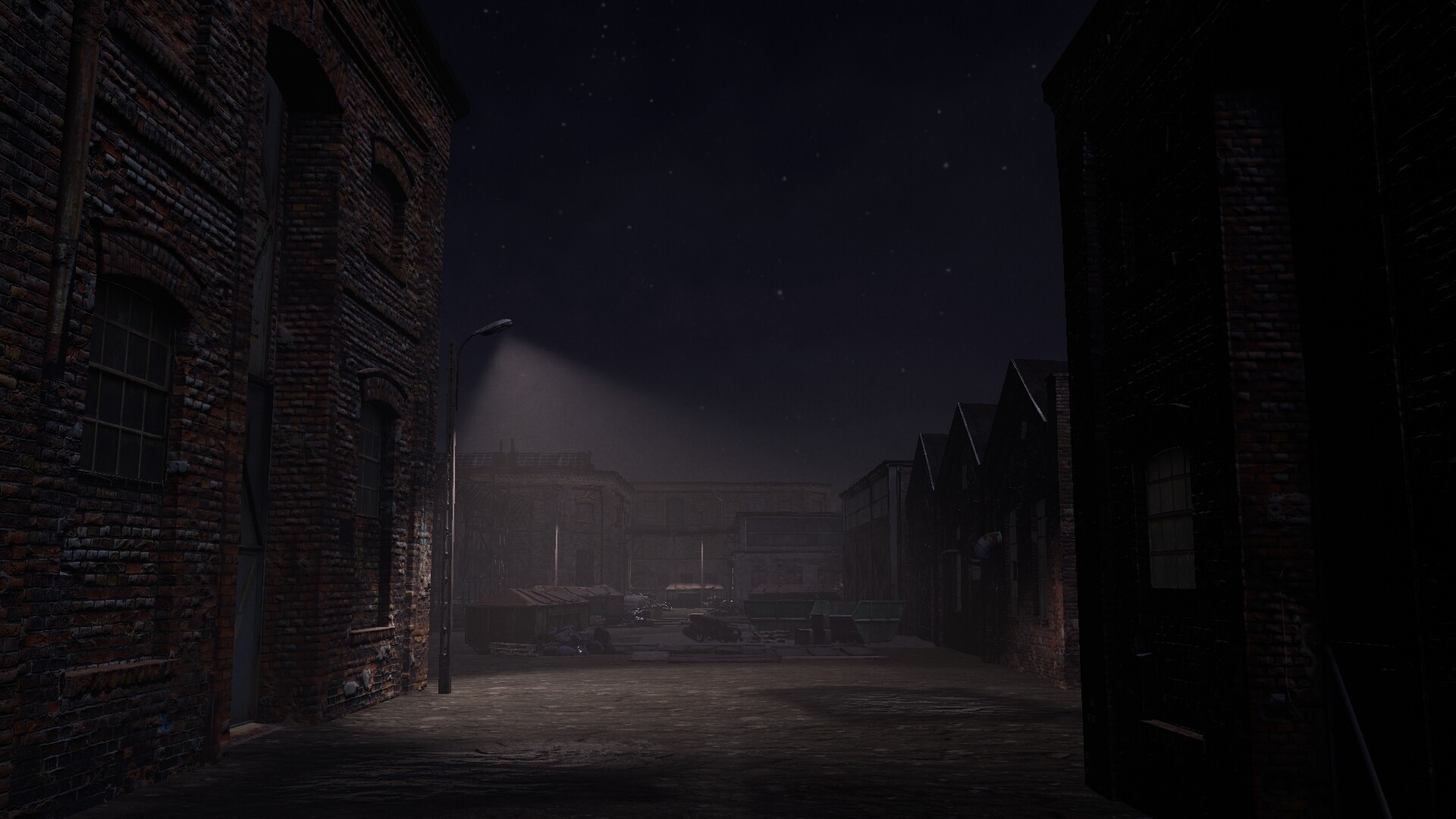
Trace of the Villa places you in Jin’s investigation of a deliberately forgotten estate. The mansion’s rooms feel “less abandoned than erased”: furnishings remain, doors are locked, and personal items sit untouched—but official records, photographs, and names are conspicuously missing. Restoring power and searching locked compartments yields encrypted documents, suspicious transfer records, and manifests that drive a document-led reconstruction of events.
Who should consider Trace of the Villa
This is for players who prioritize atmospheric mystery adventure and document-based investigation over twitch mechanics. If you enjoy piecing timelines together from manifests, encrypted files, and physical evidence found around a mansion—or prefer exploration and puzzle-solving that progressively unlocks narrative context—this will likely fit your appetite. The Steam categories note the game is playable without timed input and includes subtitle options and accessibility-oriented settings like color alternatives and custom volume controls, which may appeal to players who favor a deliberate, readable experience.
When and where
Trace of the Villa launched on 28 May, 2026 and is listed on Steam. Developer and publisher credits on the store page are Steadyturtle Co., Ltd.
Why this mansion investigation matters
The core theme—discovering identities and financial traces removed from public records— frames the game as more than a haunted-house stroll. Evidence in safes and secured systems points to falsified identities and a controlled movement of people, turning the location from private residence into a node in a larger, concealed network. That shifting scope—personal search to unraveling systemic concealment—is the narrative engine: every recovered document potentially reframes motive, timeline, and scale.
How you progress: reading clues and unlocking systems
Progression is investigative and puzzle-led. Restoring power to estate systems makes secured compartments and encrypted records accessible; safes and hidden spaces reveal manifests and transfer records that you must interpret. The official description emphasises encrypted documents and financial trails as primary evidence types, so expect gameplay where analysis of found documents, pattern recognition, and sequence puzzles link environments together into a coherent timeline.
Who will get the most out of it — specific player scenarios
- Document detectives: players who enjoy assembling narratives from manifests, ledgers, and encrypted files.
- Mansion mystery fans: those drawn to filled-but-deserted rooms and environmental storytelling that implies lives rather than explains them.
- Slow-burn explorers: people who prefer careful observation, no timed-input pressure, and puzzle pacing that rewards methodical attention.
- Accessibility-minded players: users who value subtitle options, color alternatives, and custom audio controls.
- Players skeptical of jump-scare horror: anyone looking for an investigative tone centered on evidence and conspiracy rather than constant combat or survival mechanics.
How it compares to nearby mystery and puzzle titles
Below is an editorial comparison focused on genre, atmosphere, puzzle style, exploration, story tone, and pacing to help readers decide where Trace of the Villa sits in that landscape.
| Title | Genre / Core focus | Atmosphere / Story tone | Puzzle & exploration style | Typical pacing / Who it’s for |
|---|---|---|---|---|
| Trace of the Villa | Action, Adventure, Indie — investigative mansion mystery | Decaying estate, erased identities, procedural concealment | Document-driven puzzles, restoring systems, safes/encrypted files | Methodical, clue-led; suited to players who like piecing timelines from evidence |
| Amnesia: The Dark Descent | Action, Adventure, Indie — first-person survival horror | Immersive, nightmare-driven; horror-forward | Exploration with survival mechanics and atmospheric puzzles | Intense, dread-focused; for players who want immersion and fear-based tension |
| SOMA | Action, Adventure, Indie — sci-fi horror | Philosophical, claustrophobic, oceanic isolation | Environmental puzzles with narrative and existential questions | Deliberate and contemplative; suited to players who want story-heavy, moral puzzles |
| Layers of Fear (2016) | Adventure, Indie — psychological horror | Psychological, shifting mansion, inner-artist descent | Atmosphere-led exploration with unfolding room-based revelations | Slow-burn, surreal; for players who favour psychological storytelling over factual investigation |
Leave a Reply