
Trace of the Villa — who should wishlist this atmospheric mansion mystery?
Trace of the Villa is a slow-burn investigative adventure that puts document-driven sleuthing at its center: you play Jin, a man following leads into a remote, decaying mansion where manifests, encrypted records and hidden compartments hint that his missing sister might still be alive. If you prize atmospheric mystery, room-by-room evidence gathering and narrative puzzle design, this is a Steam release to watch.

| Title | Trace of the Villa |
|---|---|
| Release date | 28 May, 2026 |
| Developer / Publisher | Steadyturtle Co., Ltd. |
| Genres | Action, Adventure, Indie |
| Notable Steam categories | Single-player; Color Alternatives; Custom Volume Controls; Playable without Timed Input; Subtitle Options; Family Sharing |
| Where to find it | Trace of the Villa on Steam |
Who is this for?
This is for players who favor investigative adventure over combat spectacle: people who enjoy piecing together a story from recovered manifests, encrypted fragments and the arrangement of rooms. If you liked methodical clue-gathering, the slow reveal of a house that feels “less abandoned than erased,” and a story that becomes personal as the investigation progresses, Trace of the Villa is targeted at that audience.
What the game is (and what it isn’t)
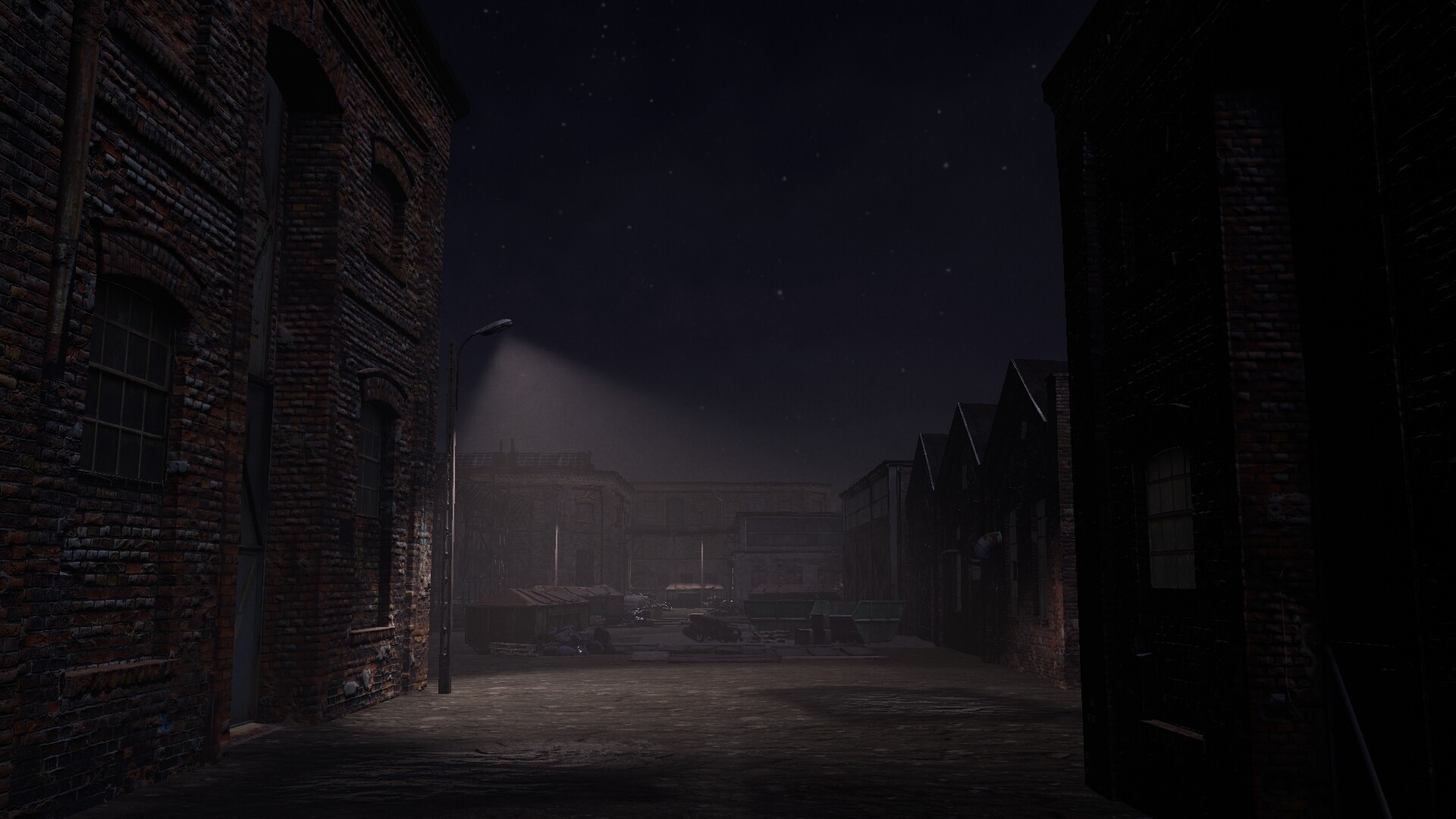
Trace of the Villa centers on Jin’s search for his missing sister. The official Steam copy describes a property cut off from the grid, furnished rooms that suggest abrupt disappearance, and secured systems that, when restored, yield encrypted documents and suspicious transfer records. The gameplay emphasis in the description is on restoring power, uncovering hidden compartments and safes, and assembling a timeline from fragments — a clue-driven exploration model rather than arcade action.
When and where — Steam specifics
Trace of the Villa is available on Steam with a release date of 28 May, 2026. The Steam listing identifies Steadyturtle Co., Ltd. as both developer and publisher and classifies the title under Action, Adventure and Indie with single-player support and accessibility options like subtitle options and “playable without timed input.”
Why the investigative angle matters
Environmental storytelling and documents as primary clues make a different promise than mindless mystery set-dressing: each recovered manifest or transfer record is meant to change your understanding of who passed through the house and why. The official description frames the mansion as an engineered silence — identities removed, movements masked — so the emotional payoff leans on assembling a human story from administrative debris rather than jump scares or abstract puzzles alone.
How you progress
According to the developer description, progress comes from restoring estate systems, unlocking hidden compartments and cracking safes that yield fragments of encrypted documents and suspicious transfer records. Each solved puzzle reveals another layer of the operation that used the estate: falsified identities, financial trails and arrivals/departures without records. The implied loop is exploration → evidence recovery → document interpretation → story refinement.
Who should wishlist it — player scenarios
- Room-by-room analysts: You prefer piecing narratives together from physical clues, manifests and logs rather than cinematic exposition.
- Atmosphere-first players: You enjoy slow-burn suspense and a setting that reveals its history through objects and systems coming back online.
- Accessibility-minded explorers: You appreciate single-player, subtitle support and “playable without timed input” options for a measured pace.
- Fans of narrative puzzles: You like puzzle design that ties directly into story beats — safes, encrypted fragments and hidden compartments that advance the timeline.
Comparison: where Trace of the Villa sits among similar mystery/adventure titles
| Title | Core focus | Atmosphere / Tone | Puzzle & exploration style | Pacing / player fit |
|---|---|---|---|---|
| Trace of the Villa (2026) | Investigative mansion mystery focused on documents, restored systems and encrypted records. | Eerie, erasure-themed; a house that feels deliberately forgotten. | Clue-driven: restore systems, unlock compartments, interpret fragments. | Slow-burn; for players who prefer methodical evidence work. |
| Amnesia: The Dark Descent (2010) | First-person survival horror emphasizing immersion and dread. | Chilling, oppressive. | Exploration with survival-horror mechanics and encounter-driven tension. | High-tension pacing; for players wanting intense horror immersion. |
| SOMA (2015) | Sci-fi horror with existential themes, set beneath the sea. |
YouTube discoveryFor trailer and gameplay discovery, use YouTube search rather than relying on unverified embeds: Find Trace of the Villa trailer and gameplay searches on YouTube. Reader decision checklistUse this checklist before deciding whether Trace of the Villa belongs on your Steam wishlist. The game is most relevant if you enjoy reading environmental evidence, following document trails, inspecting rooms for small inconsistencies, and letting a mystery unfold through objects rather than exposition. It is less about instant spectacle and more about the slow pressure of a place that seems to have been deliberately erased. SEO note for discovery-minded playersPlayers searching for atmospheric mystery adventure, clue-driven exploration, mansion mystery game, story-rich indie adventure, psychological investigation game, or narrative puzzle design are likely looking for the same core appeal: a PC game where the setting is not just a backdrop but the main source of evidence. Trace of the Villa fits that search intent because its official Steam premise centers on Jin, his missing sister, a remote mansion, restored systems, hidden compartments, safes, encrypted documents, and a trail of suspicious records. Final player-fit summaryWishlist Trace of the Villa if you want a slow investigation built around official Steam store elements: a 28 May, 2026 release from Steadyturtle Co., Ltd., a single-player PC/Steam mystery structure, official screenshots showing the mansion atmosphere, and a premise that uses the house itself as a puzzle box. The strongest fit is for players who prefer patience, observation, and narrative reconstruction over fast combat or loud horror beats. CommentsMore posts |
Leave a Reply