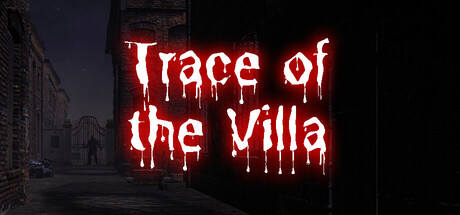
Who should consider Trace of the Villa after enjoying atmospheric mystery adventures?
Trace of the Villa is a slow-burn investigative adventure built around a decaying mansion, recovered manifests, locked rooms and layered documents that hint a missing person may still be alive. Released on 28 May, 2026 by Steadyturtle Co., Ltd., it asks players to read environments and piece together erased identities rather than rely on combat or jump scares.
What Trace of the Villa is

Officially described on Steam, Trace of the Villa centers on Jin, who has spent years searching for his missing sister. A lead brings him to an off‑grid mansion where items and secured systems reveal fragments of encrypted documents, suspicious transfers and falsified identities. The game is presented in the Action / Adventure / Indie genres on Steam and is packaged as a single‑player experience with accessibility options like subtitle support and custom volume controls.
Who this fits
This is for players who prefer atmospheric mystery adventures with document-based investigation: those who enjoy methodical clue‑reading, environmental storytelling and layered puzzles that unlock narrative threads. If you like spending time in rooms that feel lived‑in (or deliberately un‑lived‑in), reconstructing timelines from manifests, and solving safes or systems to reveal more evidence, Trace of the Villa is squarely aimed at that audience.
When and where it’s available
Trace of the Villa released on 28 May, 2026 and is available on Steam for PC. The Steam listing shows developer and publisher as Steadyturtle Co., Ltd., and lists categories that include Single-player, Color Alternatives, Custom Volume Controls, Playable without Timed Input, Subtitle Options, and Family Sharing.
Why the theme matters
The game’s focus on erased identities, falsified records and a property that feels “less abandoned than erased” places it among mystery adventures that use atmosphere and a slow reveal to create tension. The stakes — a potentially living missing person at the end of the trail — give the document work a personal urgency: you’re not just solving abstract puzzles, you’re reconstructing someone’s life from logistical traces.
How you progress
Progression is driven by exploration, restoration and evidence recovery. Official material mentions restoring power to the estate to bring secured systems back online, unlocking hidden compartments, safes and encrypted fragments. Expect a play loop of searching rooms, examining manifests and records, solving puzzles to access the next locked area, and using recovered documents to piece together where people came from, where they went, and why names and photographs were removed.
Quick facts
| Title | Trace of the Villa |
|---|---|
| Release date | 28 May, 2026 |
| Developer / Publisher | Steadyturtle Co., Ltd. |
| Genres | Action, Adventure, Indie |
| Key Steam categories | Single-player; Color Alternatives; Custom Volume Controls; Playable without Timed Input; Subtitle Options; Family Sharing |
| Official premise | Jin searches a remote, decaying mansion where manifests and hints indicate his sister may still be alive. |
How it compares to similar mystery/adventure titles
Below is a focused editorial comparison to help readers decide if Trace of the Villa aligns with their tastes. Comparisons are based on genre descriptors, tone and puzzle/exploration focus.
| Title | Genre / Tone | Puzzle & clue focus | Exploration style | Player fit |
|---|---|---|---|---|
| Trace of the Villa | Action / Adventure / Indie — mansion mystery, investigative | Document recovery, locked systems, manifests and encrypted fragments | Room‑by‑room forensic exploration, restoring power and access | Players who want narrative puzzle design tied to a personal investigation |
| Amnesia: The Dark Descent | Action / Adventure / Indie — immersion and survival horror (“chill you to the core”) | Puzzle elements within a survival horror loop; atmosphere drives discovery | First‑person, continuous world exploration with stealth/survival elements | Players prioritizing intense immersion and horror alongside puzzles |
| SOMA | Action / Adventure / Indie — sci‑fi horror; existential tone | Puzzles integrated with narrative and environmental storytelling | Linear, atmospheric exploration with story beats and emergent dread | Players who want philosophical sci‑fi plus restrained puzzle work and atmosphere |
| Layers of Fear (2016) | Adventure / Indie — psychological horror; shifting Victorian mansion | Inventory‑light puzzles that reveal story; surreal environmental changes | Confined, changing mansion spaces that emphasize story and mood | Players who appreciate psychological tension and sensory storytelling |
| The Room | Adventure / Indie — tactile, puzzle‑box mystery | Highly focused mechanical puzzles and intricate safes | Isolated puzzle environments rather than open exploration | Players who want handcrafted puzzle machines and tangible solutions |
| Rusty Lake Hotel | Adventure / Indie — dark, eerie puzzle series | Point‑and‑click puzzles with a surreal, episodic structure | Room-based vignettes with a strong puzzle narrative per chapter | Players who enjoy compact, eerie puzzles woven into an anthology tone |
Player scenarios — which playstyles will enjoy it most
Scenario A: You like atmospheric, document‑heavy investigations
If you spend more time reading manifests, cross‑referencing transfer records and reconstructing timelines than reacting to threats, Trace of the Villa will likely fit. The game emphasizes evidence collection and restoring systems to access more data.
Scenario B: You enjoy room‑scale environmental storytelling
Players who savor rooms that feel purposefully staged — furniture left as if occupants vanished mid‑routine, items that suggest roles without labels or photos — will find the mansion’s design rewarding. Progression appears to rely on noticing those details and following the paper trail.
Scenario C: You prefer puzzle machines and tactile locks
If your baseline is The Room, you’ll appreciate safe‑opening and encrypted fragments, but expect a stronger narrative framing here: puzzles unlock story layers rather than acting as standalone mechanical challenges.
Scenario D: You want horror intensity
Trace of the Villa’s marketing and classification emphasize investigation and mystery over explicit survival horror mechanics. If your primary aim is adrenaline or jump scares like Amnesia, note the game centers on methodical discovery and narrative puzzle design.
Screenshots
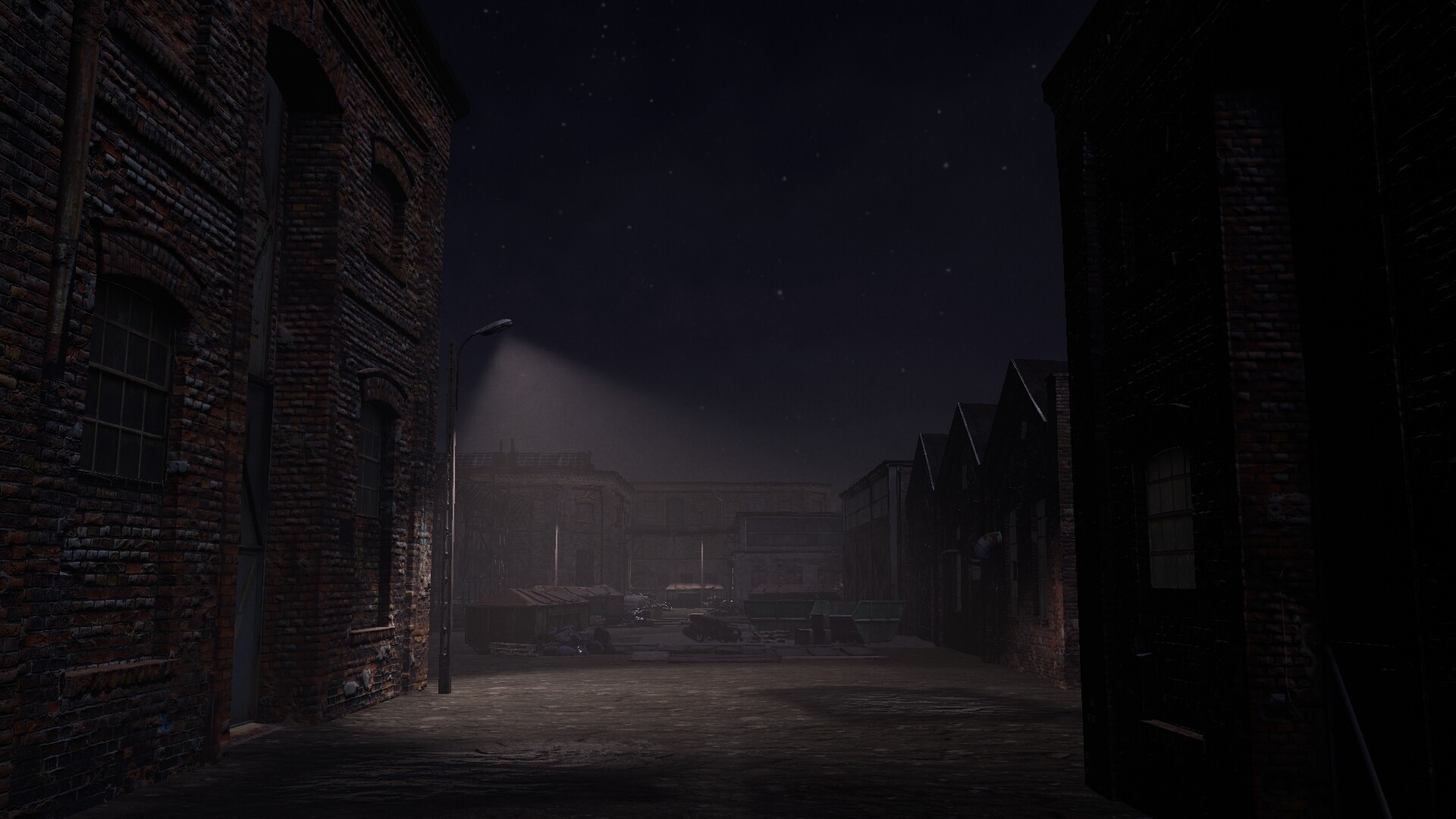
Steam page
View Trace of the Villa on Steam
YouTube discovery
For trailer and gameplay discovery, use YouTube search rather than relying on unverified embeds: Find Trace of the Villa trailer and gameplay searches on YouTube.
Leave a Reply