
Who should consider Trace of the Villa after enjoying atmospheric mystery adventures
Trace of the Villa is a slow-burn, clue-driven investigation set inside a decaying, deliberately forgotten mansion where Jin follows manifests and recovered hints that could lead to his missing sister. If you favour environmental storytelling, rooms full of salvaged evidence, and puzzle progression built around documents and locked compartments, this Steam release is specifically aimed at that player profile.

Quick facts
| Title | Trace of the Villa |
|---|---|
| Steam App ID | 3483660 |
| Release date | 28 May, 2026 |
| Developer | Steadyturtle Co., Ltd. |
| Publisher | Steadyturtle Co., Ltd. |
| Genres | Action, Adventure, Indie |
| Steam categories / accessibility | Single-player; Color Alternatives; Custom Volume Controls; Playable without Timed Input; Subtitle Options; Family Sharing |
What Trace of the Villa is
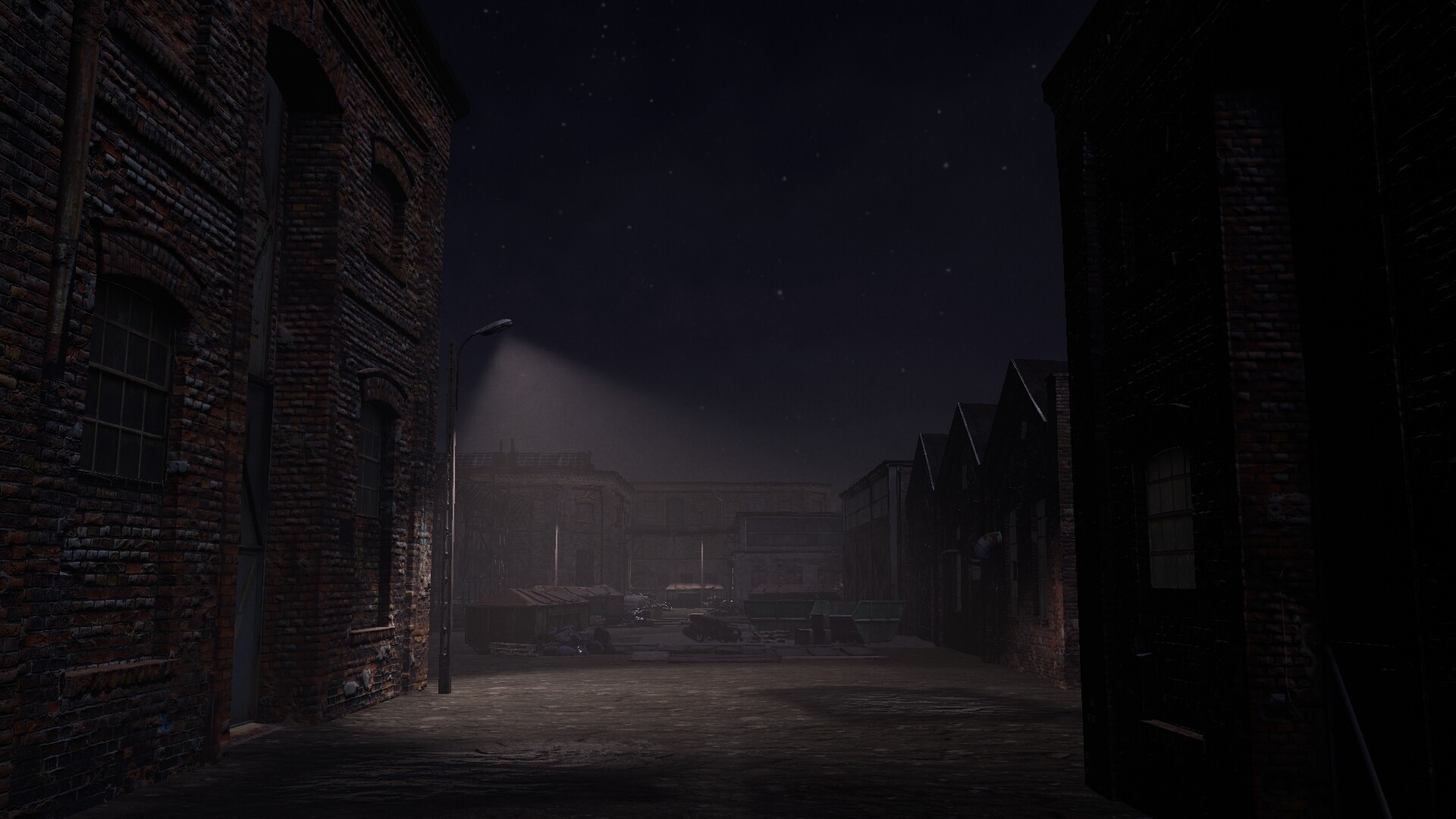
Trace of the Villa follows Jin as he investigates a remote mansion after finding manifests and other hints that his missing sister may still be alive. The official Steam description frames the house as “less abandoned than erased”: rooms appear frozen mid-routine, locked doors guard hastily secured secrets, and safes and secured systems yield fragments of encrypted documents and suspicious transfer records. The setup points to investigation through restored systems, document fragments, and environmental clues rather than combat spectacle.
When and where
Trace of the Villa launched on Steam on 28 May, 2026 and is presented in that storefront context (PC/Steam). The Steam page lists Steadyturtle Co., Ltd. as both developer and publisher and classifies the title under Action, Adventure, and Indie with single-player and accessibility categories noted above.
Who this game is for
This is for players who:
- prefer atmospheric mystery adventure and narrative puzzle design over fast-paced action;
- enjoy clue-driven exploration: piecing together timelines from documents, manifests, and encrypted fragments;
- like room-by-room investigation and environmental storytelling where the setting itself supplies testimony;
- want a single-player experience with subtitle options and no reliance on timed inputs;
- appreciate accessibility options such as color alternatives and custom volume controls.
Why the mansion-and-documents angle matters
Mansion mysteries that centre on recovered records and hidden compartments reward patient, analytical play. Trace of the Villa’s premise—Jin restoring power to an estate to unlock safes, encrypted documents, and transfer records—suggests a pacing that privileges discovery and synthesis. If you value world details revealed through artifacts (manifests, personal effects, falsified identities) and enjoy assembling a narrative from fragments, that design focus will matter much more than high-octane scares or reflex tests.
How progression and investigation work (based on Steam description)
- Explore furnished rooms that appear abandoned mid-routine, looking for physical evidence and anomalies.
- Restore power and systems to the estate to access secured electronics, safes, and hidden compartments.
- Recover and combine fragments—manifests, encrypted documents, transfer records—to reconstruct timelines and movements.
- Use discovered evidence to open new areas and reveal deeper layers of a concealed operation tied to unregistered arrivals and falsified identities.

Player scenarios — who should wishlist it now
- Paper-chasers: You enjoy narrative puzzles built from documents, manifests and financial traces; you like reconstructing motives from small text fragments.
- Mansion explorers: You prefer game worlds that tell stories through room state and prop placement rather than explicit exposition.
- Slow-burn investigators: You want an experience where restoring systems and unlocking sealed spaces gradually scales the mystery.
- Accessibility-minded players: You appreciate Subtitle Options, Color Alternatives, Playable without Timed Input, and Custom Volume Controls—features explicitly listed on the Steam page.
How it compares to similar mystery/adventure games
| Title | Tone / Atmosphere | Puzzle focus | Exploration style | Pacing |
|---|---|---|---|---|
| Amnesia: The Dark Descent | Claustrophobic, horror-leaning immersion | Environmental puzzles and survival tension | First-person, continuous tense exploration | tense, high-tension moments mixed with exploration |
| SOMA | Sci-fi existential dread | Environmental problem solving and narrative discovery | Submerged facility exploration with narrative nodes | Methodical with philosophical beats |
| Layers of Fear (2016) | Psychological, shifting Victorian mansion | Atmospheric puzzles that support a personal story | Room-focused, increasingly surreal exploration | Slow-burn, escalating unease |
| The Room | Intimate, tactile mystery | Mechanical, document-light puzzle boxes | Single-room / object-centric investigation | Compact, puzzle-focused sessions |
| Rusty Lake Hotel | Surreal, eerie puzzle atmosphere | Point-and-click puzzle sequences | Short chapters / vignette exploration | Concise, puzzle-driven pacing |
Editorial note: Trace of the Villa leans toward the mansion-as-evidence approach: if your appetite is for document-led reconstruction and a steady reveal of hidden systems, it sits closer to titles that prize environmental testimony (Layers of Fear, Rusty Lake) and object investigation (The Room) than to survival-horror titles where combat or constant threat dominates.
YouTube discovery
If you want to see trailer or early gameplay clips, search YouTube for Trace of the Villa trailer and gameplay: Trace of the Villa — YouTube search. This link is a discovery path; verify any specific videos against the Steam page if you need official trailers.
Disclaimer: referenced titles and trademarks belong to their respective owners. Comparisons in this article are editorial discovery only and not claims of endorsement or official connection.