
Who should consider Trace of the Villa after atmospheric mystery adventures?
Trace of the Villa drops you into a slow-burn investigative adventure about a brother named Jin hunting for his missing sister inside a remote, decaying mansion. Released on 28 May, 2026 and developed and published by Steadyturtle Co., Ltd., the game leans on documents, rooms, locked safes and power-recovery puzzles to reveal a tightly controlled, identity-erasing operation.

Quick facts
| Title | Trace of the Villa |
|---|---|
| Release date | 28 May, 2026 |
| Developer / Publisher | Steadyturtle Co., Ltd. |
| Steam AppID | 3483660 |
| Genres | Action, Adventure, Indie |
| Categories | Single-player; Color Alternatives; Custom Volume Controls; Playable without Timed Input; Subtitle Options; Family Sharing |
| Official short description | Jin has spent years searching for his missing sister, pursuing leads that took him to a remote, decaying mansion where he recovered manifests and hints that indicate his sister may still be alive, somewhere at the end of the trail he is about to follow. |
| Steam reviews | No user reviews (as listed on Steam public summary) |
What Trace of the Villa is — and what it isn’t
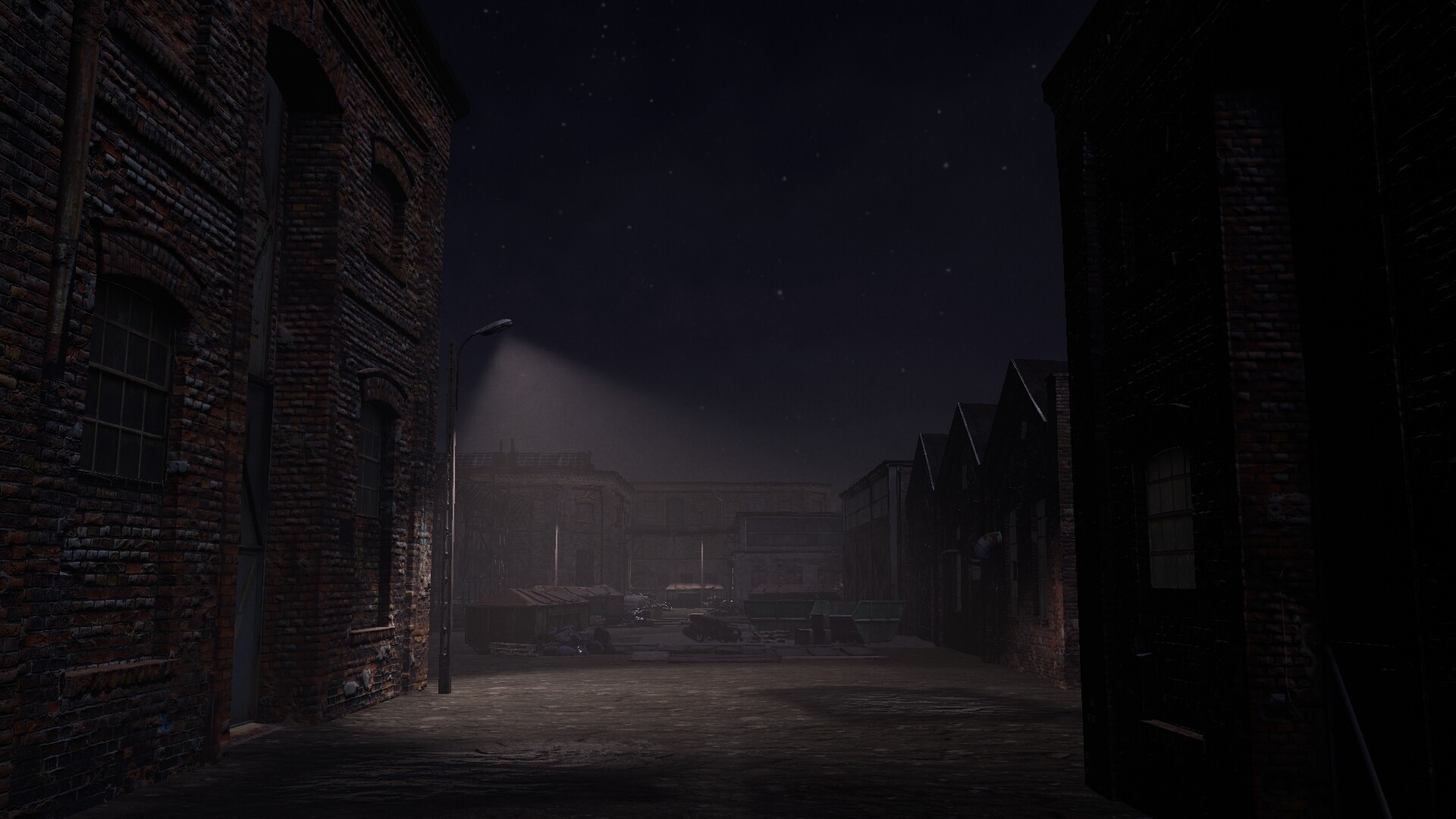
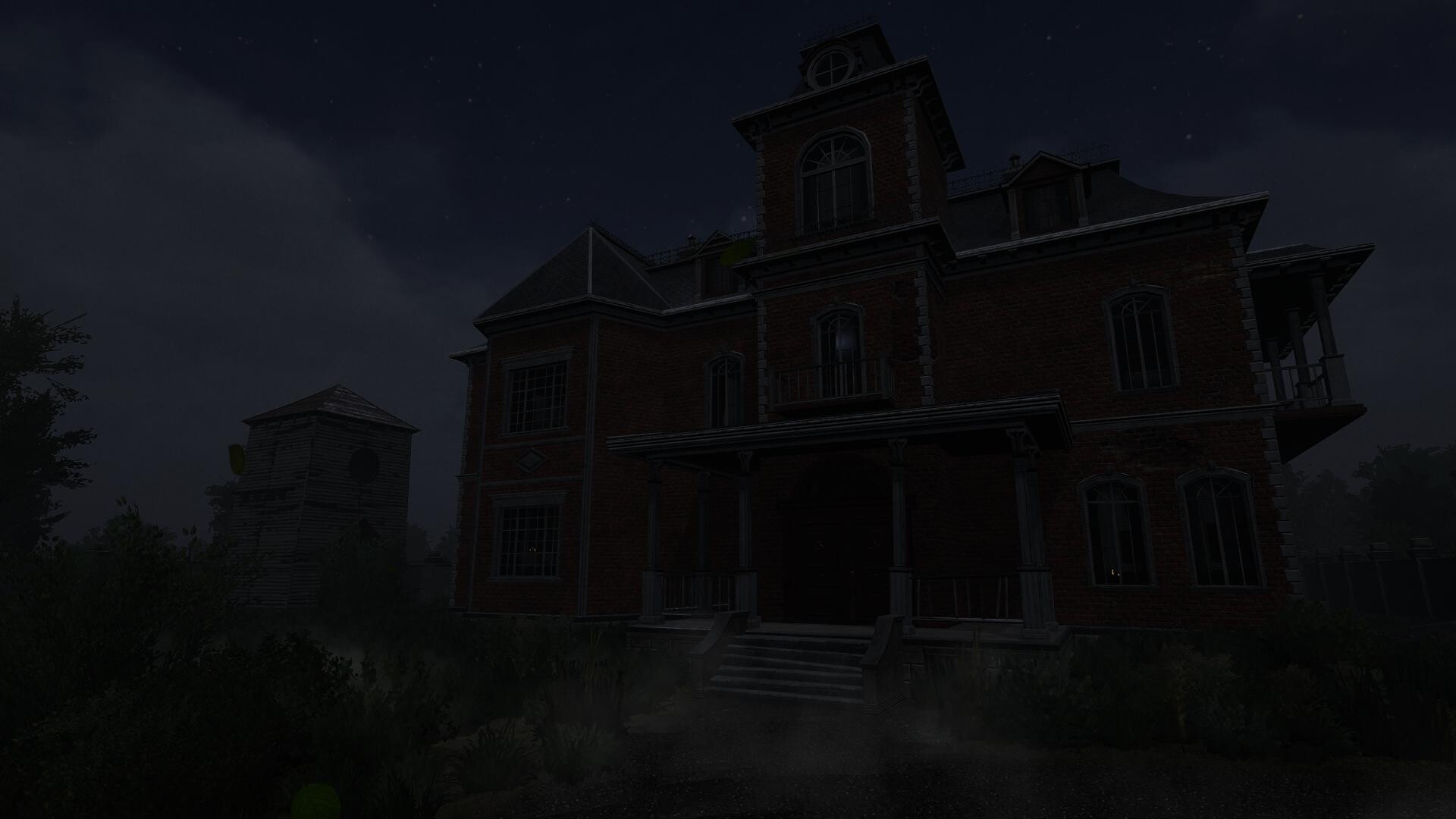
Trace of the Villa is an investigative, story-rich adventure set in a deliberately isolated mansion. The official Steam description emphasizes environmental storytelling and clue-driven progression: Jin restores power to the estate, reactivating secured systems, unlocking hidden compartments, and revealing encrypted document fragments and suspicious transfer records. The game frames investigation through rooms and recovered manifests rather than through combat or open-world exploration.
When & where: Steam / PC context
Trace of the Villa launched on Steam on 28 May, 2026. The Steam store lists it as an Action/Adventure/Indie title with single-player support and accessibility options such as subtitle options, custom volume controls, and color alternatives. If you want to check the store page directly, use the official Steam link below before the widget:
How the investigation works (reading clues and progressing)
The Steam text spells out the investigative loop: restore estate power, reactivate systems, and follow the digital and physical traces left behind. Expect puzzles tied to safes, encrypted documents, manifests and transfer records. Progress comes from reconstructing a timeline—arrivals without records, departures without witnesses—and following that financial and identity-focused trail. The emphasis is on careful observation of rooms, piecing together fragments, and using restored systems to reveal new locations or items.
Who should wishlist Trace of the Villa?
Consider this if you enjoy:
- Slow-burn mansion mysteries driven by documents, manifests and financial traces rather than fast-paced action.
- Exploration that rewards careful room-by-room reading of the environment and piecing together encrypted or fragmented evidence.
- Narrative puzzle design where restoring systems and unlocking compartments reveal new narrative beats.
It will be less appealing if you expect open-world freedom, large combat systems, or buddy-based co-op — Steam lists it as single-player with a focus on investigative exploration.
Player scenarios — practical examples
Scenario A — You loved The Room or other tactile puzzle adventures
If you liked methodical, object-led puzzle solving and the satisfaction of unlocking mechanisms piece-by-piece, you’ll likely appreciate Trace of the Villa’s safes and hidden compartments. Expect similar moments of close inspection and small-circuit puzzle resolution.
Scenario B — You prefer story-first mystery games
Players drawn to narrative-driven reconstruction—finding documents that reframe what you thought you knew—should find the house’s erased histories and falsified identities compelling. The protagonist Jin’s personal stake (searching for his missing sister) ties investigation to character motivation.
Scenario C — You play for atmosphere and slow-burn tension
If atmospheric mystery and environmental storytelling (rooms that feel “erased” and items left mid-routine) are your main draw, the mansion setting and the emphasis on restoring systems should fit well.
How Trace of the Villa compares to nearby mystery/adventure titles
Below is a compact editorial comparison using lawful criteria: genre, atmosphere, puzzle focus, exploration style, story tone and pacing. These are descriptive comparisons, not claims of superiority.
| Title | Genre / Focus | Atmosphere / Tone | Puzzle / Clue Style | Pacing / Exploration |
|---|---|---|---|---|
| Trace of the Villa | Action, Adventure, Indie — investigative mansion mystery | Isolated, decaying estate with erased identities and hush | Document fragments, safes, secured systems, power restoration | Slow-burn, room-by-room reconstruction; single-player |
| Amnesia: The Dark Descent | Action, Adventure, Indie — first-person survival horror | Claustrophobic, horror-focused immersion | Environmental puzzles mixed with survival/hiding | High-tension pacing; horror beats and threat management |
| SOMA | Action, Adventure, Indie — sci-fi horror | Philisophical, unsettling beneath the ocean | Exploration-led puzzles; narrative artifacts | Gradual revelation with narrative-heavy sequences |
| Layers of Fear (2016) | Adventure, Indie — psychological horror | Surreal, Victorian building with shifting layout | Atmospheric environmental puzzles tied to storytelling | Slow and psychological; focus on changing rooms and mood |
| The Room | Adventure, Indie — tactile puzzle box | Mysterious, intimate confined spacesYouTube discoveryFor trailer and gameplay discovery, use YouTube search rather than relying on unverified embeds: Find Trace of the Villa trailer and gameplay searches on YouTube. CommentsMore posts |
Leave a Reply