
Who should consider Trace of the Villa after enjoying atmospheric mystery adventures
Trace of the Villa tasks you with piecing together a fractured household and Jin’s missing-sister case inside a remote, decaying mansion—an investigation that unfolds through recovered manifests, encrypted documents, and rooms left as if their occupants vanished mid-routine. If you prize slow-burn suspense, document-driven puzzles, and environmental storytelling where locked doors and restored systems reveal the next clue, this Steam release warrants a hard look.

Quick facts
| Title | Trace of the Villa |
|---|---|
| Release date | 28 May, 2026 |
| Developer / Publisher | Steadyturtle Co., Ltd. |
| Genres | Action, Adventure, Indie |
| Key Steam categories | Single-player; Color Alternatives; Custom Volume Controls; Playable without Timed Input; Subtitle Options; Family Sharing |
| Steam page | Trace of the Villa on Steam |
What the game is
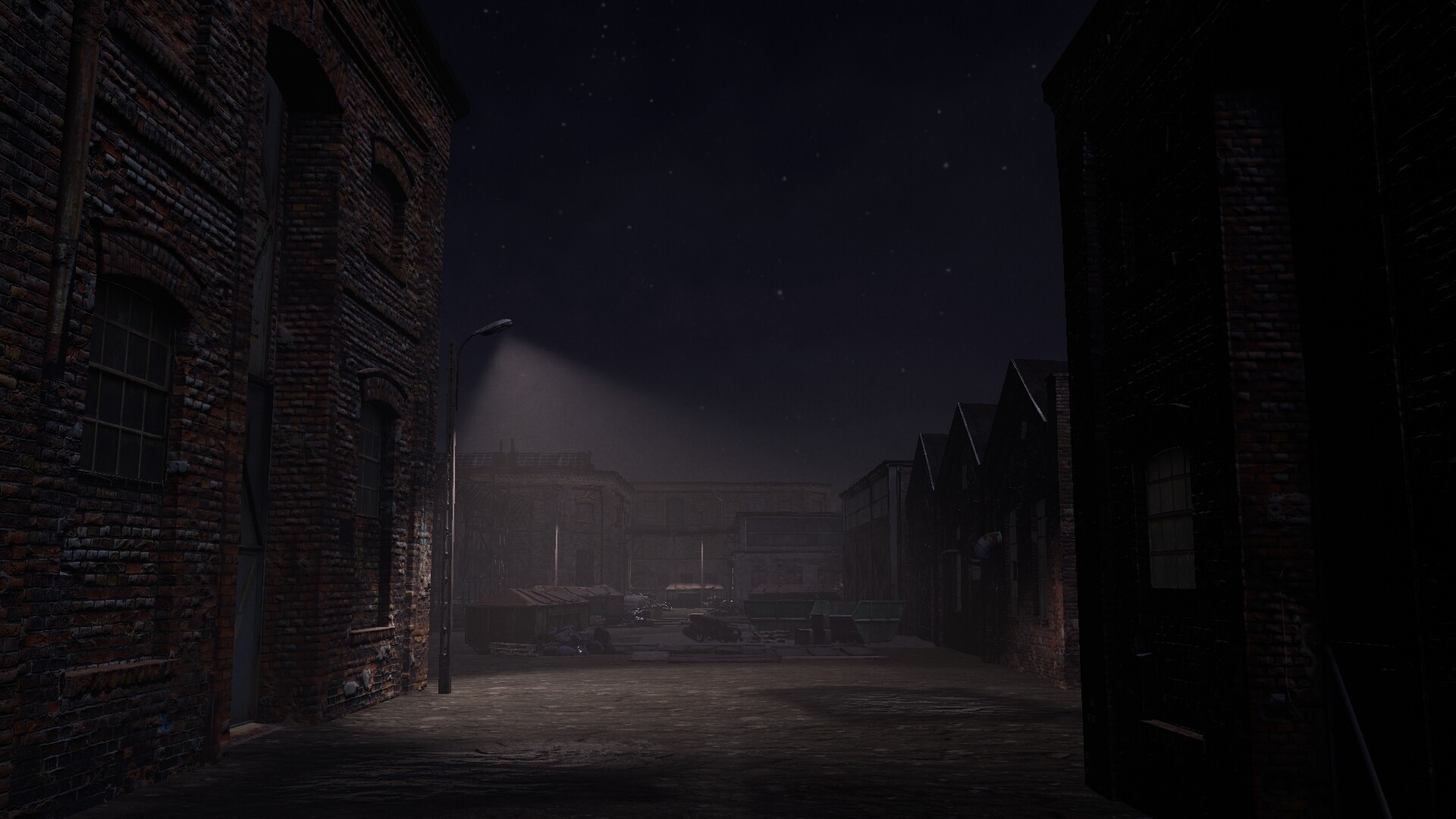
Trace of the Villa centers on Jin, a protagonist whose search for a missing sister leads him to “a decaying mansion” where manifests and hints suggest she may still be alive. The official Steam description frames the mansion as deliberately forgotten: furnished rooms, locked doors, and systems that, once restored, reveal encrypted documents, suspicious transfer records, and other fragments of a hidden operation. The gameplay promise is investigative: restore power, unlock safes and compartments, and follow financial and identity clues toward a larger pattern.
When and where
The game is a Steam release (PC) that launched on 28 May, 2026. The store listing identifies Steadyturtle Co., Ltd. as both developer and publisher and lists the title under Action / Adventure / Indie with single-player and accessibility-friendly categories such as subtitles, custom volume controls, and options that avoid timed input.
Why the theme matters
Trace of the Villa trades on investigative atmosphere rather than jump scares. When a mansion is presented as “erased”—rooms intact but names and photographs gone—the core appeal is psychological investigation and piecing together evidence from artifacts and systems. That approach suits players who prefer clue-driven exploration and narrative puzzle design that rewards reading documents, tracing transfers, and reconstructing timelines.
How you progress: reading clues and solving rooms
The official description details the primary progression loop: restore estate power, bring systems back online, and then follow what those systems reveal. Hidden compartments open, safes produce fragments of encrypted documents, and manifests point to further leads. The emphasis is on collecting documentary evidence and assembling a timeline from disparate records—financial trails, falsified identities, and movement logs—so gameplay leans toward careful observation and deduction rather than reflex-based challenges.

Who should wishlist or buy this
- Players who enjoy atmospheric mystery adventure with a strong document/paper trail focus—if you like reconstructing timelines from manifests and encrypted fragments, this is aimed at you.
- Fans of slow-burn suspense and environmental storytelling who prefer puzzles that are narrative-first rather than action-first.
- Those who appreciate accessibility options like subtitles and the ability to play without timed inputs, making a puzzle-investigation loop more approachable.
- Players who value investigative role-playing—following financial and identity clues, restoring systems, and opening progressively concealed layers.
Player scenarios
Scenario A — You like methodical detective play: You’ll spend sessions cataloguing manifests, cross-referencing transfer records, and returning to rooms once new systems reveal fresh evidence.
Scenario B — You prefer atmospheric single-sitting stories: The mansion’s rooms and the flow of revealed systems let you experience a measured narrative arc without fast-time puzzles.
Scenario C — Accessibility-conscious player: Subtitle options, custom volume controls, and no requirement for timed input make the investigative loop easier to manage at your own pace.
How it compares to nearby mystery/adventure titles
Below is an editorial comparison on lawful criteria: genre, atmosphere, puzzle focus, exploration style, story tone, and pacing. This is a discovery-oriented look to help you decide if Trace of the Villa matches your play habits.
| Title | Genres (from Steam/topic data) | Primary focus | Setting / atmosphere | Pacing / tone |
|---|---|---|---|---|
| Trace of the Villa | Action, Adventure, Indie | Document-led investigation, locked-room exploration | Decaying mansion; erased identities and secured systems | Slow-burn, investigative, atmospheric |
| Amnesia: The Dark Descent | Action, Adventure, Indie | Immersion and survival; living through a nightmare | Claustrophobic, horror-driven environments | High-tension, fear-focused (survival horror) |
| SOMA | Action, Adventure, Indie | Existential sci-fi horror with environmental story | Undersea, oppressive sci-fi installation | Philosophical and unsettling; sustained dread |
| Layers of Fear (2016) | Adventure, Indie | Psychological horror with a painter’s story | Victorian mansion that shifts and warps | Psychological, art-driven, hallucinatory |
| The Room | Adventure, Indie | Mechanical puzzles and tactile object interaction | Isolated house/attic with crafted puzzle objects | Focused, puzzle-first, intimate mystery |
| Rusty Lake Hotel | Adventure, Indie | Point-and-click puzzle sequences and surreal narrative | Hotel with dark, eerie, puzzle-laden rooms | Concise, episodic, eccentric puzzles |
Decision checklist: is this for you?
- Yes—if you want an investigative adventure that emphasizes documents, manifests, and unlocked systems over combat or timed reflex puzzles.
- Probably—if you enjoy atmospheric mansion mysteries but
YouTube discovery
For trailer and gameplay discovery, use YouTube search rather than relying on unverified embeds: Find Trace of the Villa trailer and gameplay searches on YouTube.
Leave a Reply