
Who should consider Trace of the Villa after enjoying atmospheric mystery adventures?
Trace of the Villa is a slow-burn, clue-driven investigation set in a decaying mansion where Jin searches for his missing sister through recovered manifests and encrypted documents. If you prize environmental storytelling, room-by-room reconstructions of vanished lives, and puzzle work that reads like forensic examination, this Steam release warrants a look.

Quick facts
| Title | Trace of the Villa |
|---|---|
| Steam AppID | 3483660 |
| Release date | 28 May, 2026 |
| Developer / Publisher | Steadyturtle Co., Ltd. |
| Genres | Action, Adventure, Indie |
| Steam categories / accessibility | Single-player; Color Alternatives; Custom Volume Controls; Playable without Timed Input; Subtitle Options; Family Sharing |
| Short premise | Jin follows leads to a remote mansion where manifests and hints suggest his missing sister may still be alive. |
What the game is — tone and mechanics you can expect
According to the official Steam description, Trace of the Villa positions you as Jin, a protagonist who uncovers a property “cut off from the grid” where rooms appear preserved and identities seem erased. The mansion reveals itself through restored power, secured systems coming back online, hidden compartments, safes, and fragments of encrypted documents and transfer records. The investigative loop is built around piecing together timelines from physical and digital traces — manifests, financial trails, and falsified identities — rather than fast-paced combat or reflex tests.
When and where — Steam release details
Trace of the Villa launched on Steam on 28 May, 2026. It is listed under Action / Adventure / Indie and carries Steam accessibility tags including Single-player, Subtitle Options, and Playable without Timed Input. You can view the Steam store page here: Trace of the Villa on Steam.
Why the theme matters — investigative adventure with documents, rooms, and hidden evidence
Trace of the Villa’s declared strengths are atmosphere and document-driven investigation. The game frames each solved puzzle as an evidentiary breakthrough: restore power, access secured systems, and lift layers of concealment to reveal encrypted fragments and suspicious transfer records. That design profile targets players who prefer reconstructing events from traces — reading manifests and transaction logs, unlocking safes, and following the paper trail to understand what happened to the people who once lived there.
How you progress — reading clues and solving the mansion
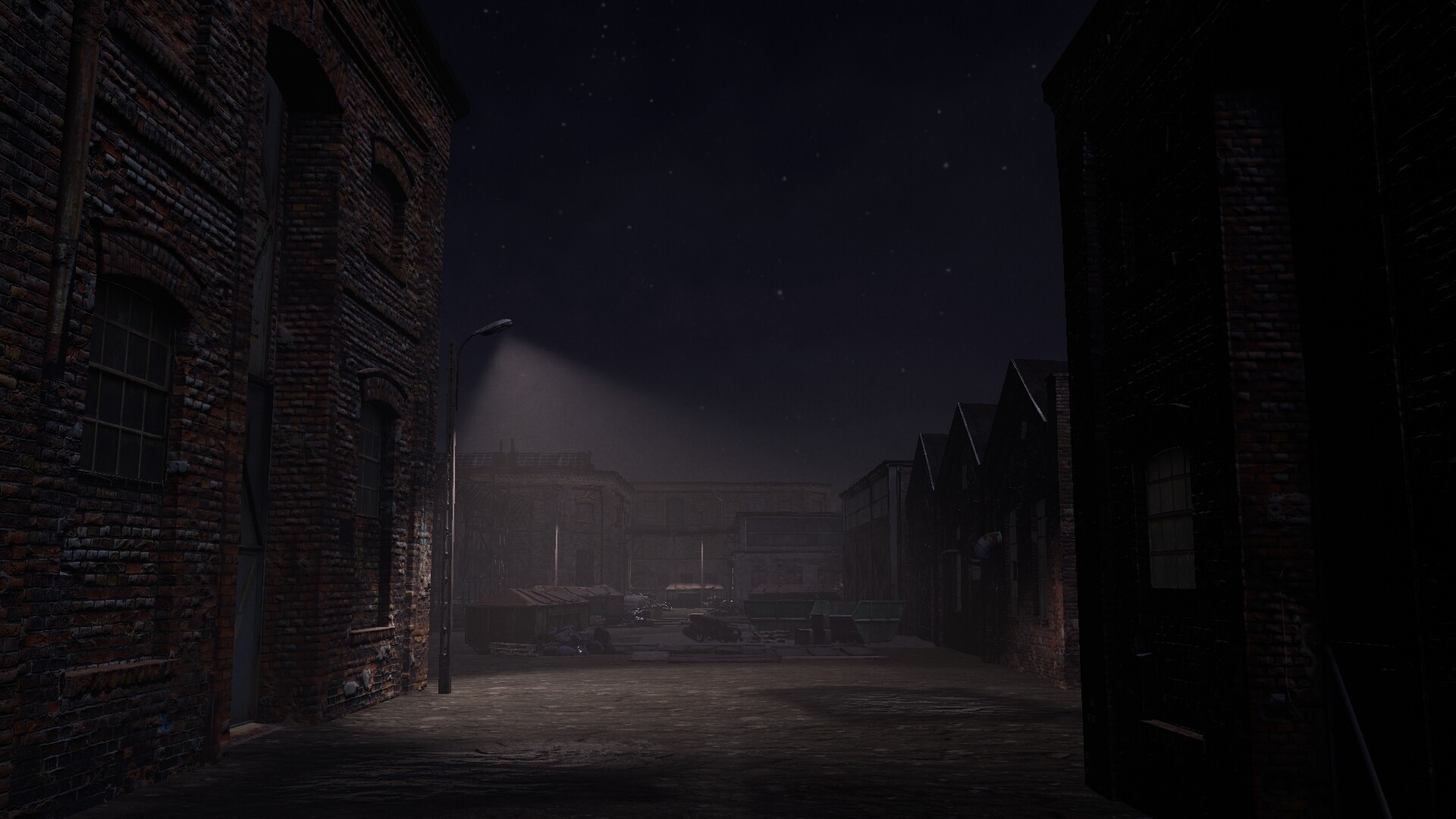
Progression centers on exploration and piecewise revelation. The mansion is presented as a site “less abandoned than erased”: furnished rooms frozen in mid-routine, locked doors, hidden compartments, and sealed safes. When Jin restores systems, secured data becomes accessible and puzzles yield fragments of documents and evidence. Each solution exposes new leads — falsified identities, financial gaps, and travel records — that feed the next investigative objective and unfold a timeline. Expect methodical, clue-first pacing rather than action-driven sequences.

Who should wishlist Trace of the Villa — player scenarios
- Players who enjoy atmospheric mystery adventure and slow-burn suspense built around rooms, objects, and records rather than combat or timed action.
- Fans of document-driven investigative games who like assembling timelines from manifests, encrypted fragments, and transaction records.
- Players who prefer environmental storytelling and puzzles that reveal narrative context — locked doors, hidden compartments, and safes as story gates.
- People who appreciated games that focus on psychological investigation and a decaying mansion setting rather than arcade-style horror or survival mechanics.
How Trace of the Villa compares to nearby mystery/puzzle titles
Below is an editorial comparison focused on atmosphere, puzzle emphasis, exploration style, story tone, and pacing to help you decide whether Trace of the Villa matches your tastes.
| Title | Core focus | Atmosphere / tone | Puzzle & exploration style | Who might prefer it |
|---|---|---|---|---|
| Trace of the Villa (2026) | Investigation through documents, restored systems, and hidden compartments | Decaying mansion, slow-burn suspense, investigative | Clue-driven puzzles; uncover documents and encrypted fragments to build a timeline | Players who want methodical forensic-style exploration and atmospheric mystery |
| Amnesia: The Dark Descent (2010) | Immersive first‑person survival horror | Nightmarish, oppressive, immediate fear | Environmental puzzles with stealth/survival tension | Players seeking a frightening, high-tension experience |
| SOMA (2015) | Sci‑fi horror with existential themes | Underwater, claustrophobic, philosophical | Exploration with narrative puzzles and choices that probe identity | Players who like story-heavy, thought-provoking tension |
| Layers of Fear (2016) | Psychological horror centered on a Victorian mansion | Unsettling, surreal, shifting spaces | Walking-simulator puzzles that emphasize atmosphere and changing architecture | Players who enjoy distorted reality and narrative-driven scares |
| The Room (2014) | Focused tactile puzzle box exploration | Mysterious, intimate, puzzle-centric | Mechanical, tactile puzzles in contained environments | Players who prefer tight, object-focused puzzles and slow reveals |
Rusty Lake HotelYouTube discoveryFor trailer and gameplay discovery, use YouTube search rather than relying on unverified embeds: Find Trace of the Villa trailer and gameplay searches on YouTube. CommentsMore posts |
Leave a Reply