
Trace of the Villa: who should consider this atmospheric mystery adventure
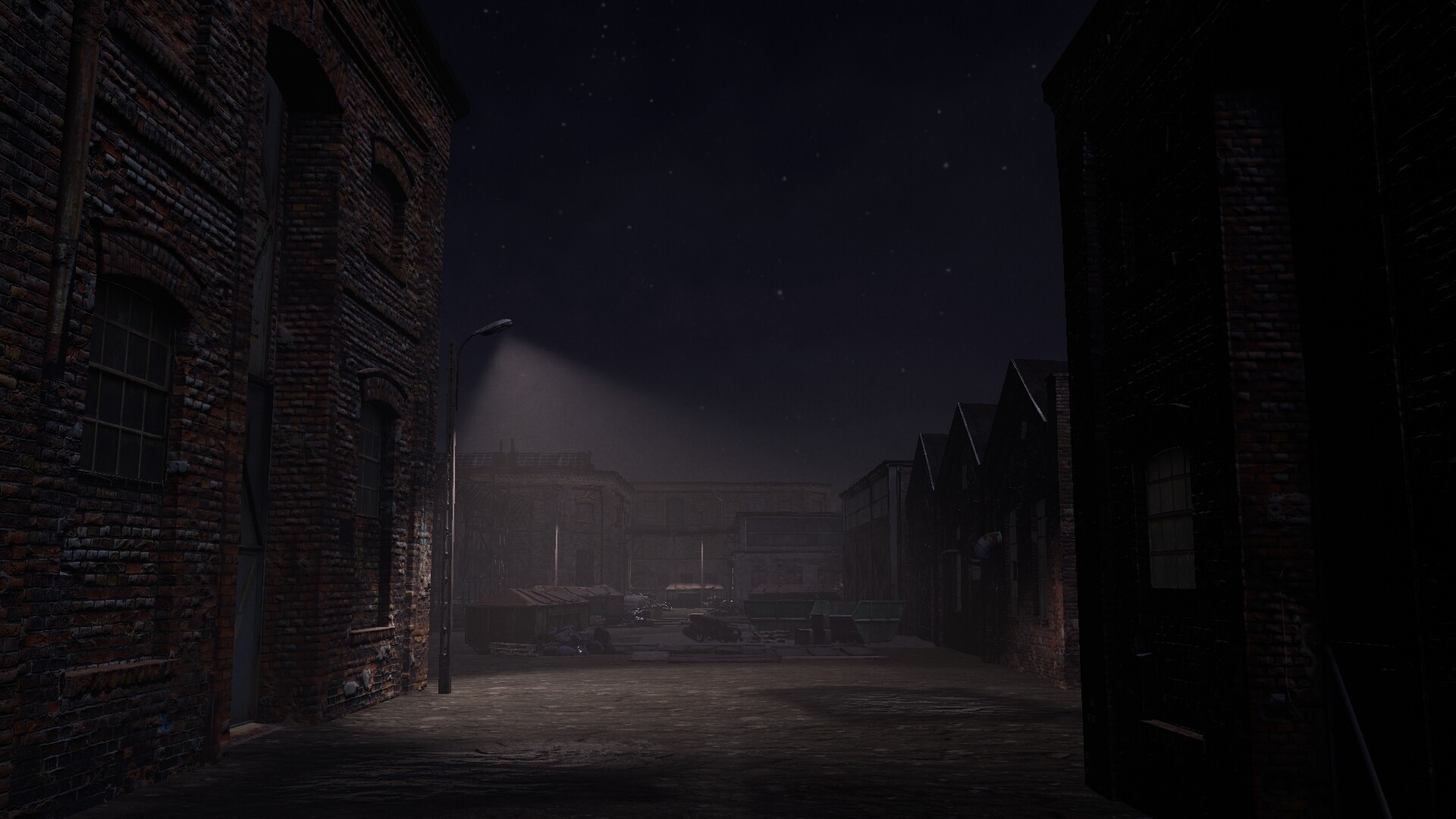
Trace of the Villa places you in Jin’s shoes as he follows leads to a remote, decaying mansion and recovers manifests and hints that suggest his missing sister might still be alive. The game promises document-driven investigation, rooms that feel frozen in time, and puzzles that open locked systems and reveal encrypted fragments.

Quick facts
| Title | Trace of the Villa |
|---|---|
| Steam AppID | 3483660 |
| Release date | 28 May, 2026 |
| Developer / Publisher | Steadyturtle Co., Ltd. |
| Genres | Action, Adventure, Indie |
| Key Steam categories | Single-player; Color Alternatives; Custom Volume Controls; Playable without Timed Input; Subtitle Options; Family Sharing |
| Short premise | “Jin has spent years searching for his missing sister… a remote, decaying mansion where he recovered manifests and hints that indicate his sister may still be alive.” |
| Steam user reviews | No user reviews |
What the game is — tone and approach
Trace of the Villa reads like a slow-burn investigative adventure built around environmental storytelling and documents. You investigate a deliberately forgotten estate where rooms appear to have been abandoned mid-routine, then restore power to bring secured systems back online. The official Steam description highlights safes and hidden compartments yielding fragments of encrypted documents, suspicious transfer records, falsified identities and financial trails — the kind of clue-led architecture that rewards careful reading and methodical exploration rather than twitch reflexes.
When and where
Trace of the Villa released on 28 May, 2026 on Steam for PC. It’s presented as a single-player, indie title from Steadyturtle Co., Ltd., with accessibility-focused categories such as subtitle options and the ability to play without timed input.
Why the theme matters — investigative mechanics that tell story
The narrative hinge here is investigative work made tangible: manifests, encrypted documents, transfer records and locked systems become both obstacles and story beats. When a game uses documents and locked rooms as primary storytelling devices, it shifts emphasis from cutscenes to player-driven discovery — the player reads, assembles timelines, and interprets evidence. If you enjoy piecing together motives from paperwork and architecture, Trace of the Villa signals a focused design that ties puzzles to a conspiracy-like thread.
How you progress — reading evidence, opening rooms
According to the official page, progression is less about inventory juggling and more about reactivating systems, unlocking hidden compartments and decrypting fragments. Restoring power is called out as a turning point: secured systems come back online, safes yield encrypted documents, and previously obscured traces are revealed. The game appears to layer investigative puzzles—document analysis, safe cracking, and environmental puzzles—so advancing typically requires synthesizing disparate clues rather than single-solution logic.
Who should wishlist Trace of the Villa?
- Players who prefer clue-driven exploration and document puzzles over action-focused combat.
- Fans of slow-burn estate mysteries where restoring systems and searching safes produce narrative revelations.
- Anyone who values environmental storytelling and room-by-room piecing together of identity and timelines.
- Players who need accessibility options like subtitle support and play without timed input.
Specific player scenarios
Scenario A: You enjoyed The Room-style puzzle boxes and want similar moments of tactile problem solving embedded in a larger narrative. Trace of the Villa offers safes and secured systems that act like narrative puzzle boxes rather than isolated mini-games.
Scenario B: You liked Layers of Fear for its mansion atmosphere but wanted clearer forensic traces to read and catalog. Trace of the Villa emphasizes manifests and transfer records as connective tissue for the mystery.
Scenario C: You appreciated SOMA or Amnesia for immersive tension but prefer investigative, document-heavy pacing to pure survival horror; this leans more on piecing together evidence than managing terror mechanics.
How it compares to nearby mystery/adventure games
| Title | Release year | Genre focus | Puzzle / investigation style | Tone & pacing |
|---|---|---|---|---|
| Trace of the Villa | 2026 | Action, Adventure, Indie | Document-driven clues, secured systems, safes and encrypted fragments | Mansion mystery, methodical, investigative tension |
| Amnesia: The Dark Descent | 2010 | Action, Adventure, Indie | Environmental puzzles with survival-horror mechanics and immersive exploration | Claustrophobic, high-tension horror |
| SOMA | 2015 | Action, Adventure, Indie | Sci-fi puzzles and narrative investigation, question-driven exploration | Existential, atmospheric and often slow-building |
| Layers of Fear (2016) | 2016 | Adventure, Indie | Atmospheric puzzles within a changing mansion environment | Psychological, surreal, variable pacing |
| The Room | 2014 | Adventure, Indie | Tactile, box-and-lock mechanical puzzles | Mystery-focused, compact puzzle pacing |
| Rusty Lake Hotel | 2016 | Adventure, Indie | Short, vignette-style puzzles with a dark, surreal narrative | Quirky, eerie, puzzle-centric |
YouTube discovery
Looking for trailers or gameplay footage? Try a search for Trace of the Villa trailers and gameplay: YouTube search for Trace of the Villa. (Use this as a discovery path; the search may return official and fan content.)
Bottom line — who should consider it
If your ideal mystery is assembled from paperwork, locked rooms and careful clue synthesis rather than combat encounters or jump-scare set pieces, Trace of the Villa merits a wishlist. It’s pitched to players who like to read the estate as an archive: manifests, encrypted documents and transfer records are the primary language of its mystery.
Steam page: View Trace of the Villa on Steam
Leave a Reply