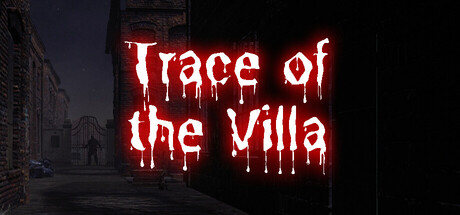
Who should consider Trace of the Villa after enjoying atmospheric mystery adventures?
Trace of the Villa is a slow-burning, investigation-first mansion mystery that casts you as Jin, a sibling searching for a missing sister inside a remote, decaying estate. Released on 28 May, 2026 and developed and published by Steadyturtle Co., Ltd., the game positions itself where environmental storytelling and clue-driven exploration meet narrative puzzle design.

What Trace of the Villa is
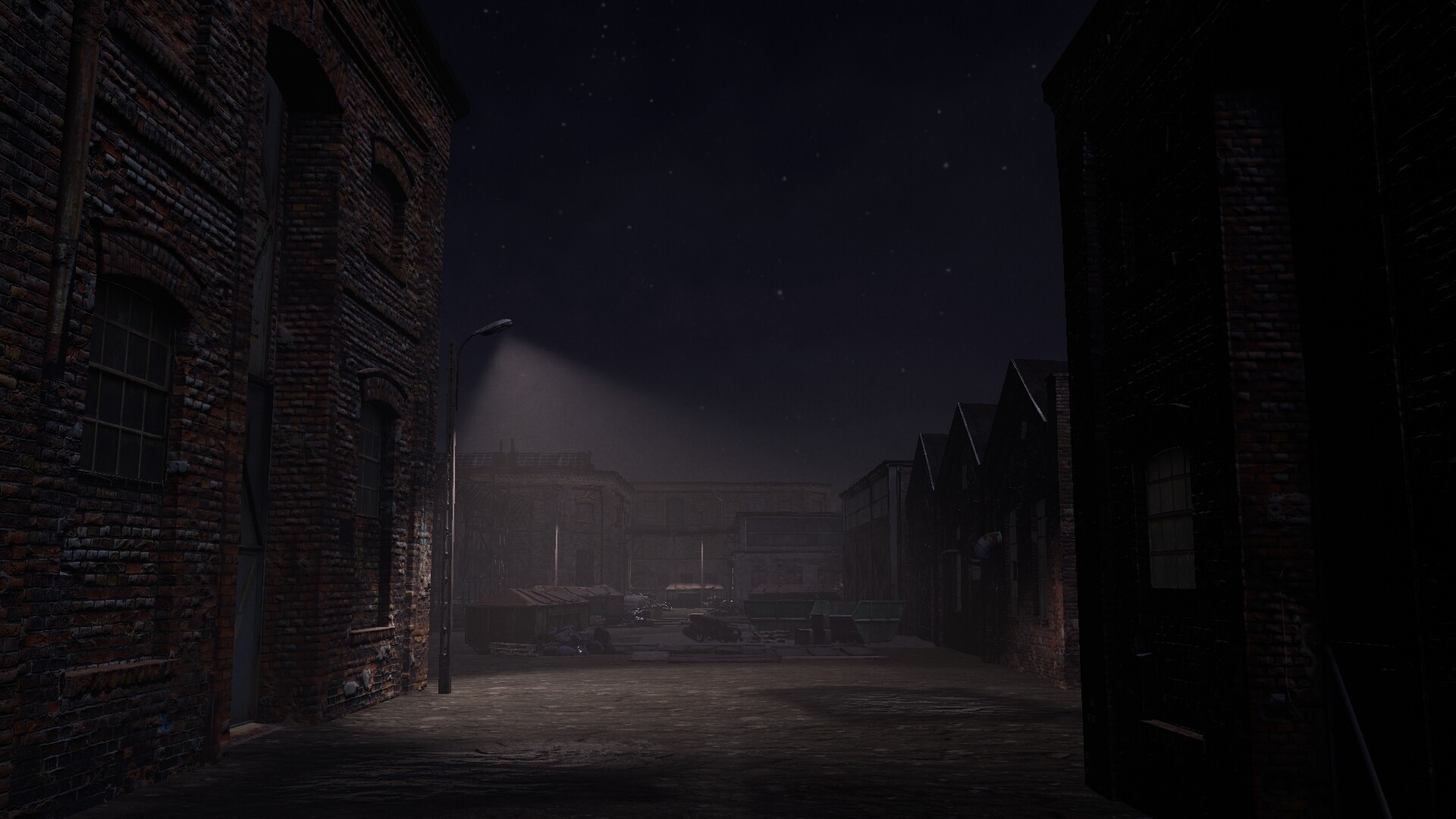
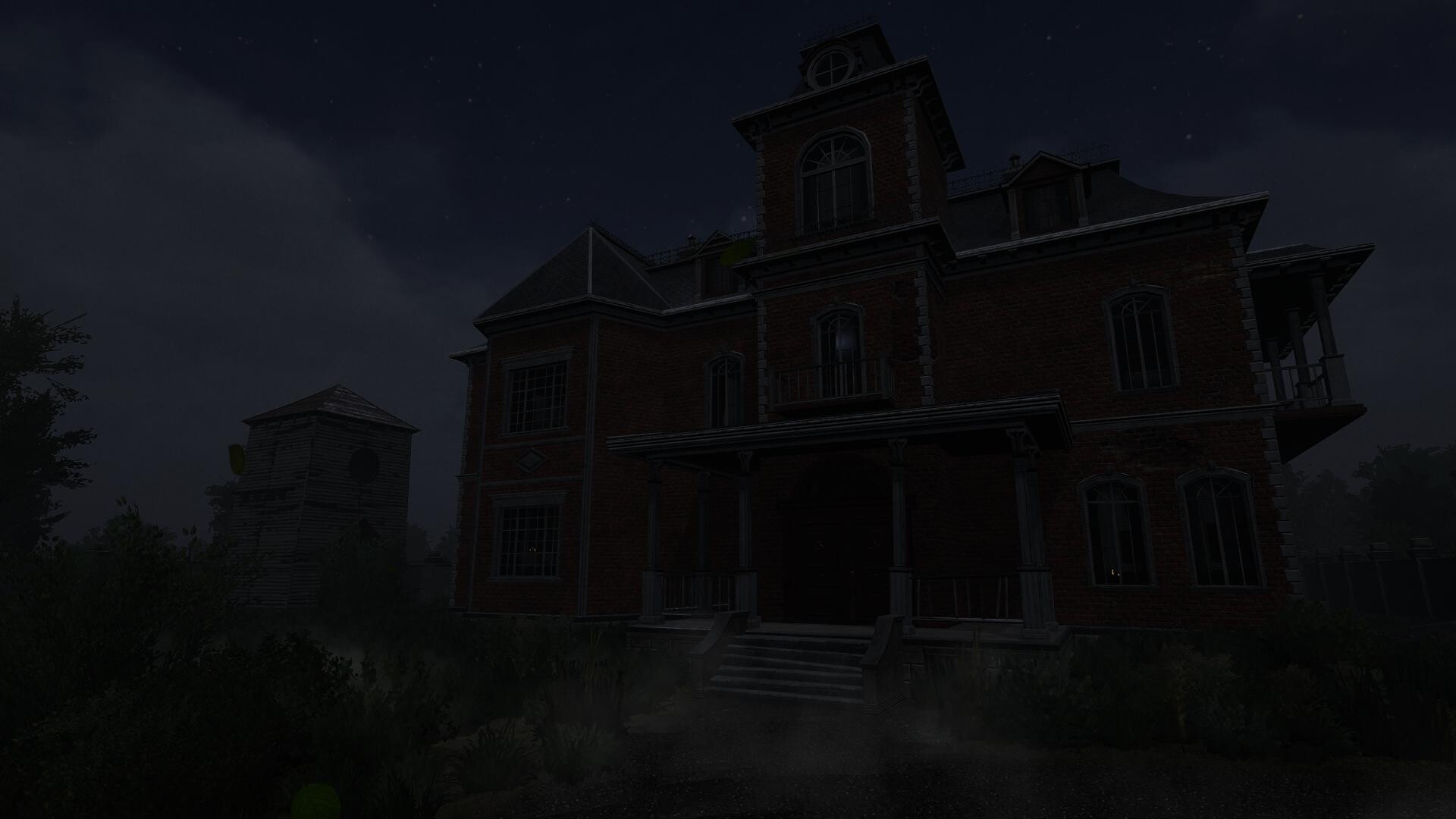
Trace of the Villa is an action-adventure indie game on Steam (appid 3483660) that centers on a personal investigation inside an abandoned mansion. According to the official Steam description, Jin follows a lead to an off-the-grid property where rooms appear frozen mid-routine and identities seem to have been removed. Restoring power gradually unlocks secured systems, hidden compartments and safes containing encrypted documents and financial traces that form the investigative backbone of the experience.
| Title | Trace of the Villa |
|---|---|
| Steam App ID | 3483660 |
| Release date | 28 May, 2026 |
| Developer / Publisher | Steadyturtle Co., Ltd. |
| Genres | Action, Adventure, Indie |
| Key Steam categories | Single-player; Color Alternatives; Custom Volume Controls; Playable without Timed Input; Subtitle Options; Family Sharing |
| Steam page | Trace of the Villa on Steam |
When and where to play
The Steam release date listed is 28 May, 2026 and the game is available on its Steam product page (link above). As of the public Steam data, the store listing shows no user reviews yet.
Why this mansion mystery matters
Trace of the Villa leans on environmental storytelling rather than combat spectacle. The core hook is a personal one—Jin’s search for his sister—which makes investigation and piecing together a hidden operation the primary reward. The mansion’s sense of erasure (furnished rooms without names or photos, locked doors and falsified records) sets up a tone suited to players who value atmosphere, layered narrative fragments, and slow reveals over jump scares or fluid action setpieces.
How you progress — gameplay loop and detective work
The official description outlines a detective workflow that is explicit and mechanical: restore power and systems, unlock compartments, solve puzzles to access safes and encrypted documents, and follow financial and identity traces. That means progression is clue-driven and puzzle-linked—the better you read environmental cues and piece together documents, the more the mansion’s concealed operation and Jin’s family lead are revealed.
Player scenarios — who should wishlist or buy this
- If you favor slow-burn mansion mysteries: You’ll appreciate the game’s focus on recreated domestic spaces that feel “erased” and on discovery through reactivating systems and unsealing compartments.
- If you like documentary-style clue-chasing: Players who enjoy following paper trails, encrypted documents and financial breadcrumbs—as narrative devices—will find this structure rewarding.
- If you prefer puzzles that are integrated into story beats: The progression described ties puzzle solving directly to narrative reveals (restoring power → safes → documents), so expect puzzles to be the engine for plot advancement.
- If you want a horror-lite, investigation-first experience: The title’s categories (Playable without Timed Input; Subtitle Options; Color Alternatives) and its narrative focus imply accessibility and a measured pace rather than relentless action or reflex challenges.
- If you need strong accessibility options: Steam categories include color alternatives and custom volume controls, which may help players who require those features.
How Trace of the Villa compares to similar mystery/adventure titles
Below is an editorial comparison to help match player taste. Comparison points use lawful editorial criteria: genre, atmosphere focus, puzzle emphasis, exploration style, story tone, and pacing.
| Game | Genre / Notable tags | Atmosphere & focus | Exploration / Perspective | Puzzle / Investigation style | Pacing & player fit |
|---|---|---|---|---|---|
| Trace of the Villa | Action, Adventure, Indie | Mansion mystery; emphasis on erased identities and hidden operations | Room-by-room exploration; reactivating estate systems | Clue-driven puzzles tied to documents, safes and locked systems | Measured, investigative; for players who prioritize narrative puzzle work |
| Amnesia: The Dark Descent | Action, Adventure, Indie | Immersion and survival horror; designed to chill | First-person exploration through a spooky, atmospheric setting | Puzzle elements embedded in survival and psychological threat | High-tension, horror-leaning; suits players who want dread and vulnerability |
| SOMA | Action, Adventure, Indie | Sci‑fi horror that questions existence and identity | First-person exploration in an underwater facility | Puzzles mixed with narrative environments and survival elements | Slow-to-moderate narrative pace with philosophical emphasis |
| Layers of Fear (2016) | Adventure, Indie | Psychological horror in a Victorian-style mansion | First-person, corridor-and-room exploration with shifting environments | Environmental puzzles with a strong storytelling bent | Psychological, slowly escalating; for players who like unreliable, artistic narratives |
| The Room | Adventure, Indie | Mystery concentrated on single-object puzzles | Focused, stationary exploration (room/box-centric) | Mechanical, tactile puzzle-solving with layered safes and locks | Compact, puzzle-first; for players who prefer tightly designed puzzle loops |
| Rusty Lake Hotel | Adventure, Indie | Dark, eerie puzzle storytelling with surreal tone | Point-and-click room-by-room progression |
Leave a Reply