
Trace of the Villa — a slow-burn, inspection-heavy mansion mystery
Trace of the Villa drops you into a remote, decaying mansion as Jin, a man following leads that hint his missing sister may still be alive. Its inspection-heavy design leans on object logic, chained clues and environmental puzzles rather than timed reflexes, making the house itself the primary detective tool.

Who, what, when, where, why, and how
Who this is for
Players who prefer methodical, clue-driven exploration: slow-burn suspense lovers, fans of environmental storytelling and inspection-heavy play, and anyone who enjoys untangling chains of evidence across rooms rather than action-oriented combat or strict time-pressure puzzles. The game’s Steam metadata lists it under Action / Adventure / Indie with single-player and accessibility options like subtitle options and playable without timed input, so it explicitly supports patient, thoughtful playstyles.
What the game is
Trace of the Villa is a story-rich mystery adventure where you play Jin, investigating a deliberately forgotten estate after finding manifests and hints that his sister might still be alive. The mansion is staged as if occupants vanished mid-routine; restoring power and rummaging through safes and secured systems reveal encrypted documents, transfer records, and layers of falsified identities. Developer and publisher: Steadyturtle Co., Ltd.
When and where
Released on Steam on 28 May, 2026. The Steam app ID is 3483660 and the store page is the primary place to buy and wishlist the PC version.
Why the theme matters
The house in Trace of the Villa is designed as an investigative environment — its lack of names and photographs, and the sense that identities were erased, make every object potentially meaningful. Thematically, the game asks players to treat furniture, systems and missing paperwork as evidence, and its core conceit turns mundane restoration (power, safes, hidden compartments) into narrative revelation. That emphasis makes the emotional beats land through discovery rather than cutscenes or exposition dumps.
How you read clues and progress
Progression is built on object logic and clue chains: restore infrastructure, unlock secured systems, open hidden compartments, then cross-reference manifests and transfer records. The official description notes restored power brings systems back online and safes yield fragments of encrypted documents. Expect to move slowly, examine items repeatedly, and assemble timelines from physical traces — the mansion itself guides you by revealing layered evidence as you pry into sealed spaces.
Screenshots that show inspection-heavy spaces

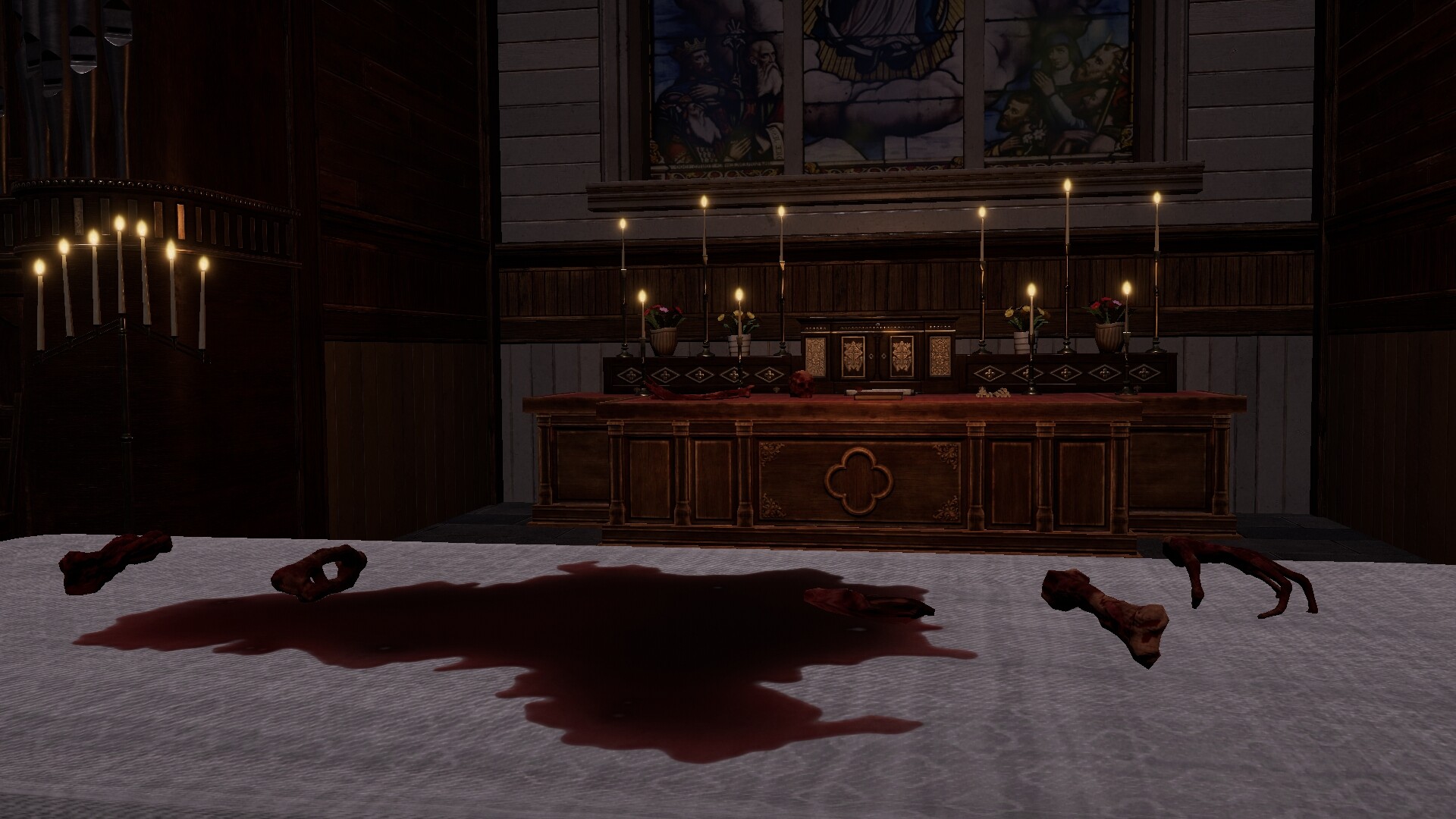
Compact facts — Trace of the Villa
| Title | Trace of the Villa |
|---|---|
| Steam app ID | 3483660 |
| Release date | 28 May, 2026 |
| Developer / Publisher | Steadyturtle Co., Ltd. |
| Genres | Action, Adventure, Indie |
| Key store categories | Single-player; Color Alternatives; Custom Volume Controls; Playable without Timed Input; Subtitle Options; Family Sharing |
| Short premise (official) | Jin searches a remote, decaying mansion after manifests and hints suggest his missing sister may still be alive. |
How Trace of the Villa compares (brief editorial table)
| Title | Primary focus | Atmosphere / tone | Puzzle style | Player fit |
|---|---|---|---|---|
| Trace of the Villa | Clue-chain environmental investigation | Slow-burn, unsettling, identity-erasure motif | Inspection, object logic, restoring systems & decoding documents | Players who like narrative puzzle design and methodical exploration |
| The Room | Single-room, tactile mechanical puzzles | Mysterious, intimate, curiosity-driven | Highly focused mechanical puzzles and safes (object-centric) | Players who enjoy dense, mechanical puzzle boxes and tactile interaction |
| Escape Simulator | Interactive escape-room experiences, physics interactions, co-op | Playful, varied room moods (from light to creepy by community design) | Highly interactive, object manipulation, physics, community levels | Players who want physical interactivity, sandbox puzzle solving, or cooperative play |
Player scenarios — decide whether to wishlist
- You should wishlist it if: you enjoy careful forensics-style play where every object might change your understanding of a timeline, and you prefer puzzle progression tied to environmental systems (power, safes, encrypted documents).
- Be cautious if: you favor fast-paced puzzle action, multiplayer co-op, or physics-led manipulation as a primary mechanic — Trace of the Villa prioritizes atmosphere and chained evidence over frantic interaction.
- Great as a follow-up to: players who liked tightly wound puzzle-box games but want a broader, narrative-led house to investigate rather than a single mechanical device.
YouTube discovery
Search for trailers and gameplay clips (editorial discovery): Trace of the Villa — YouTube search results. Note: use this as a discovery path; specific videos should be verified on YouTube for official status.
View Trace of the Villa on Steam
Disclaimer: Referenced titles and trademarks belong to their respective owners. Comparisons above are editorial discovery only and not claims of endorsement or sponsorship.
Leave a Reply