
Trace of the Villa — an inspection-heavy, clue-driven mystery set in a decaying mansion
Trace of the Villa arrives on Steam as a slow-burn atmospheric mystery adventure that stages its puzzles inside a deliberately erased, off-grid mansion. The Steam page positions Jin’s search for a missing sister at the center of a gameplay loop built around restoring systems, opening locked compartments, and following financial and identity clues left in safes and manifests.

Quick facts
| Title | Trace of the Villa |
|---|---|
| Release date | 28 May, 2026 |
| Developer / Publisher | Steadyturtle Co., Ltd. |
| Genres | Action, Adventure, Indie |
| Categories (Steam) | Single-player; Color Alternatives; Custom Volume Controls; Playable without Timed Input; Subtitle Options; Family Sharing |
| Steam AppID | 3483660 |
Who should wishlist Trace of the Villa?
If you prefer methodical, inspection-heavy play—reading the environment, cataloguing small anomalies, and chaining clues through documents and secured hardware—this is targeted at you. Players who enjoy atmospheric mystery adventure and psychological investigation rather than twitch reflex gameplay will find the pacing and mood aligned with their tastes. The Steam categories also note accessibility-friendly options (custom volume controls, subtitle options, and playable without timed input), so players who value a patient, thoughtful experience should consider adding it to their wishlist.
What the game is (and what it isn’t)
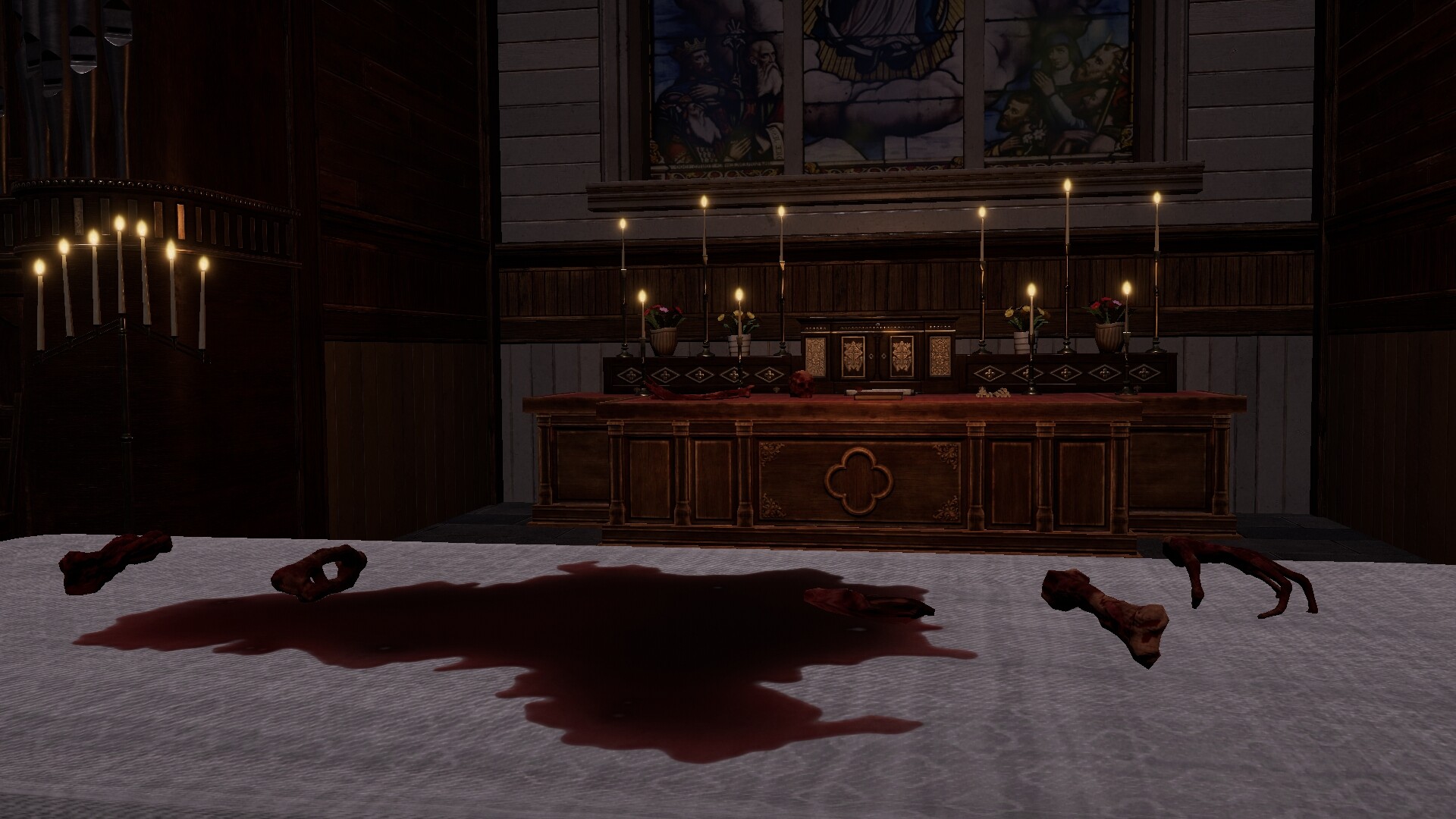
According to the official Steam description, Trace of the Villa puts you in Jin’s shoes as he explores a remote, decaying mansion where rooms feel erased of identity and locked doors hide carefully secured secrets. Gameplay emphasis on restored power, secured systems coming online, hidden compartments, safes containing encrypted documents, and manifests suggests a puzzle structure that leans on environmental storytelling, forensic reading of objects, and chained clues rather than action setpieces alone. The listed genres on Steam are Action, Adventure, Indie, but the core pitch is narrative puzzle design and clue-driven exploration inside an isolated location.

When and where
Trace of the Villa released on Steam on 28 May, 2026. It is a PC release listed on Steam (appID 3483660) and uses standard Steam discovery and store features; Steam categories shown on the store page include single-player and accessibility options noted above.
Why the theme matters — locked-room logic and object-focused storytelling
The mansion premise is more than window-dressing: the official description frames rooms “furnished as if occupants vanished mid-routine,” missing identities, and falsified records. Those cues create a design space for puzzles that are about inference—why an identity was erased, which documents are authentic, and how disparate items form a timeline. For players who enjoy reading the logic of objects (labels on envelopes, gaps in ledgers, powered-off devices that reveal new data when reactivated), Trace of the Villa promises a chained-clue rhythm: solve one local problem to unlock a system that exposes a new lead elsewhere in the house.
How progression works: reading environments and following clue chains
- Start small: the Steam text repeatedly points to manifests, encrypted documents, safes, and secured systems. Expect a gameplay loop where inspection yields items or fragments, which you then combine with newly restored systems to decode the next clue.
- Systems and power: restoring power is explicitly mentioned as a turning point; that suggests puzzles that change state across the environment rather than remaining static setpieces.
- Document logic: financial trails and falsified identities are called out in the official description; puzzle solutions are likely to come from cross-referencing records and noticing inconsistencies—classic locked-room detective work translated into interactive objects.
How it compares to nearby mystery and puzzle titles
This brief comparison focuses on puzzle focus, atmosphere, exploration style, and pacing so you can decide how Trace of the Villa fits your library.
| Title | Core puzzle focus | Atmosphere / Tone | Exploration style | Pacing |
|---|---|---|---|---|
| Trace of the Villa | Object logic, inspection, document/locked-container chains (safes, manifests, encrypted fragments) | Decaying mansion, slow-burn psychological mystery | Single-location estate exploration with stateful systems (power, secured compartments) | Measured, investigation-led |
| The Room | Mechanical safe and box puzzles with tactile object interaction | Mysterious, intimate, arcane | Focused, single-chamber puzzle progression | Puzzle-centric, deliberate |
| The Room Two | Extended tactile puzzles across connected environments | Cryptic, immersive, exploratory | Sequential room-to-room exploration with layered devices | Slow-burn, puzzle-heavy |
| Escape Simulator | Highly interactive escape-room mechanics (move, break, combine objects) | Playful to tense depending on room creator | Room-based, physics-rich interaction; solo or co-op options | Varies widely by room; can be brisk or elaborate |
| Hi‑Fi RUSH | Rhythm-tied combat and timing systems (not puzzle-focused) | High-energy, musical action | Linear action-adventure, beat-driven | Fast-paced |
Read this table as editorial context: Trace of the Villa sits closer to The Room series in its patient, object-focused puzzle approach, but the Steam description emphasizes investigation across a larger estate and document trails rather than isolated mechanical boxes. Escape Simulator is relevant if you want high interactivity and physics; Trace of the Villa appears to prioritize forensics and atmosphere over physics toys. Hi‑Fi RUSH is included as a contrast in pacing and design philosophy, not as a puzzle comparison.
Player scenarios — who will enjoy Trace of the Villa?
- Players who enjoy detective-style puzzle loops: you like collecting fragments of evidence and forming timelines from documents and transaction records.
- Fans of atmospheric, single-location mysteries: you prefer a focused map (a mansion) with stateful systems that change the environment as you progress.
- Inspection-first players: you appreciate games that reward careful observation and cross-referencing details rather than action-based skill checks.
- Accessibility-conscious players: the Steam page lists subtitle options and the ability to play without timed input, suited to a slower, contemplative playstyle.
YouTube discovery
If you want to see trailers or gameplay clips, search YouTube for Trace of the Villa using this query path (useful for finding trailers and player footage; this link is a discovery aid rather than a verified official video): Search Trace of the Villa on YouTube.
Steam link: Visit Trace of the Villa on Steam
Disclaimer: referenced titles and trademarks belong to their respective owners. Comparisons are editorial discovery only and not endorsements or claims of official association.
Leave a Reply