
Trace of the Villa — an inspection-heavy mansion mystery for clue-driven explorers
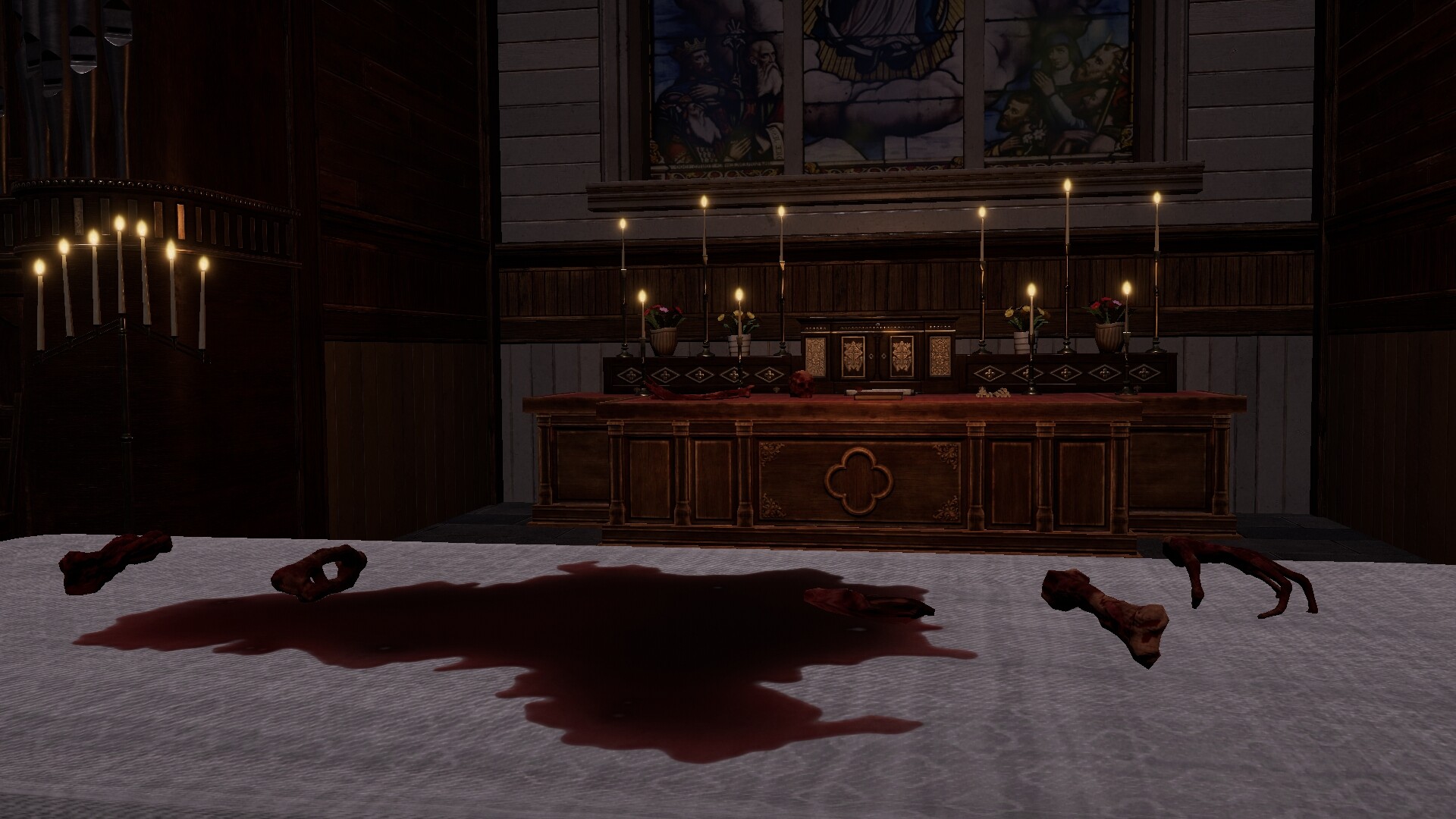
Trace of the Villa drops you into a decaying, off-grid mansion where Jin follows leads that suggest his missing sister might still be alive. Released on 28 May, 2026 by Steadyturtle Co., Ltd., the game foregrounds environmental reading, chained-object logic, and slow-burn investigation over twitch reflex or timed inputs.

Who, what, when, where, why, how
Who it’s for
This is for single-player players who prefer methodical, inspection-heavy play: readers of environments who enjoy unspooling narratives by cataloguing objects, restoring systems, and following trace evidence rather than relying on combat or timed challenges. The Steam listing confirms single-player focus and options like subtitles, color alternatives, and “playable without timed input,” which support a patient, accessibility-minded approach.
What the game is
Trace of the Villa is an atmospheric mystery adventure (listed genres: Action, Adventure, Indie) in which protagonist Jin explores a deliberately forgotten mansion. Steam’s official text describes furnished rooms frozen mid-routine, locked doors and hidden compartments, encrypted documents, and suspicions of falsified identities and financial trails — all of which imply a puzzle design built around object logic and chained clues.
When and where
Trace of the Villa released on 28 May, 2026 and is available on Steam for PC. The Steam page notes standard storefront options such as family sharing and custom volume controls.
Why the theme matters
The mansion-as-evidence trope suits players who treat spaces like arguments: every object, power circuit, and safekeeping mechanism is a premise that needs testing. The official copy emphasizes restoration of estate systems — when Jin restores power, the house “begins to reveal what it was hiding” — which signals puzzles that unlock not by abstract codes alone but by changing the environment and observing new states.
How you progress
Progress in Trace of the Villa, as outlined on Steam, unfolds by recovering manifests, restoring systems, and unlocking safes and compartments to reveal encrypted fragments and transfer records. That language suggests layered clue chains: find an item, use it to reactivate a system, read the consequence, and follow the next thread. The presence of “Playable without Timed Input” and subtitle options indicates puzzles are intended to be solved through inspection and deduction rather than speed.
Object logic and environmental puzzle design — what to expect
Steam’s description emphasizes physical evidence (manifests, transfer records, safes, hidden compartments) and systems (restoring power, secured systems coming online). Those elements point to three concrete puzzle patterns:
- Object chaining: items are clues and tools at once — a manifest leads to a locked box; a document hints at a wiring pattern that powers another room.
- State-based puzzles: reactivating power or systems changes the room, creating new affordances rather than simply revealing a static code.
- Environmental reading: the game removes obvious identity markers (“no photographs, no names”) so players infer timeline and motive from placement, wear, and omission.
If you like working through logic that feels like evidence cataloguing — cross-referencing names, transactions, and room states — this is the structural language Trace of the Villa uses to tell its mystery.

Compact facts — Trace of the Villa
| Title | Trace of the Villa |
|---|---|
| Steam App ID | 3483660 |
| Release date | 28 May, 2026 |
| Developer | Steadyturtle Co., Ltd. |
| Publisher | Steadyturtle Co., Ltd. |
| Genres | Action, Adventure, Indie |
| Key categories | Single-player; Playable without Timed Input; Subtitle Options; Color Alternatives; Custom Volume Controls; Family Sharing |
How it stacks up: comparison with nearby mystery/puzzle experiences
Below is a focused editorial comparison so you can see where Trace of the Villa sits among other inspection-heavy or escape-style titles. This is a genre and design comparison — not a ranking or endorsement.
| Title | Primary focus | Atmosphere / tone | Puzzle style | Player fit |
|---|---|---|---|---|
| Trace of the Villa | Environmental mystery, narrative puzzle chains | Slow-burn, unsettling mansion mystery (restoration of systems reveals evidence) | Object chaining, state-based puzzles, document/ledger clues | Players who enjoy reading rooms, following forensic trails, and methodical exploration |
| The Room / The Room Two | Safe-and-lock mechanical puzzles | Intimate, curio-driven mystery | Mechanical object puzzles and tactile manipulations | Fans of tightly focused, puzzle-box experiences with handcrafted mechanisms |
| Escape Simulator | Highly interactive escape rooms, physics interactions | Varied — from lighthearted to tense depending on room | Environmental interactions, physics, inventory-based problem solving | Players who enjoy tool-based experimentation and room-scale puzzle variety, solo or co-op |
| Hi‑Fi RUSH | Action-rhythm combat and rhythm-driven systems | Energetic, music‑synchronised | Pacing and timing focused — not inspection-driven | Players looking for action, beat-synced gameplay rather than environmental detective work |
Player scenarios — will you enjoy this?
Below are concrete play profiles to help decide if Trace of the Villa should be on your wishlist.
Scenario A — The Evidence Reader
You like to work like an investigator: catalogue receipts, compare names in ledgers, and test how flipping a breaker changes the environment. Trace of the Villa’s emphasis on manifests, encrypted fragments, and secured systems aligns directly with that approach.
Scenario B — The Puzzle-Box Fan
You appreciate multi-step solutions where one discovery opens two more questions. The Steam description of hidden compartments and safes yielding fragments suggests layered puzzles that reward careful note-taking and returned visits to rooms.
Scenario C — The Atmosphere First Player
If a slow-burn mystery and unsettling absent occupants (rooms furnished as if people “vanished mid-routine”) are your priority, the game’s tone on Steam indicates a narrative driven by atmosphere and implication rather than explicit exposition.
Scenario D — Not for you if…
You prefer fast-action, multiplayer puzzles, or rhythm-driven mechanics. The Steam listing shows single-player focus and categories that support unhurried play; it’s not pitched as a coop or PvP escape experience.
Where to watch and follow up
If you want to watch trailers or gameplay, use this YouTube search path (search results may include trailers and independent videos; the Steam data does not confirm an official video link):
Leave a Reply