
Trace of the Villa — an inspection-heavy mansion mystery for clue-driven players
Trace of the Villa drops you into a decaying mansion where a focused, object-first investigation uncovers erased identities and layered secrets. Developed and published by Steadyturtle Co., Ltd., the May 28, 2026 release emphasizes environmental reading, locked-room thinking, and chained clues rather than twitch reflexes.

Quick facts
| Title | Trace of the Villa |
|---|---|
| Steam AppID | 3483660 |
| Release date | 28 May, 2026 |
| Developer / Publisher | Steadyturtle Co., Ltd. |
| Genres | Action · Adventure · Indie |
| Categories | Single-player; Color Alternatives; Custom Volume Controls; Playable without Timed Input; Subtitle Options; Family Sharing |
| Premise (official) | “Jin has spent years searching for his missing sister… a remote, decaying mansion where he recovered manifests and hints that indicate his sister may still be alive.” (official short description) |
Who is this for?
If you prize quiet, methodical puzzlework—object logic, reading environments, and chaining small discoveries into larger revelations—Trace of the Villa is aimed at you. The design language signaled on the Steam page leans toward players who prefer inspection-heavy play over combat-first or fast‑paced action. It should appeal to fans of atmospheric mystery adventure and narrative puzzle design who like to reconstruct timelines from scattered clues.
What the game is
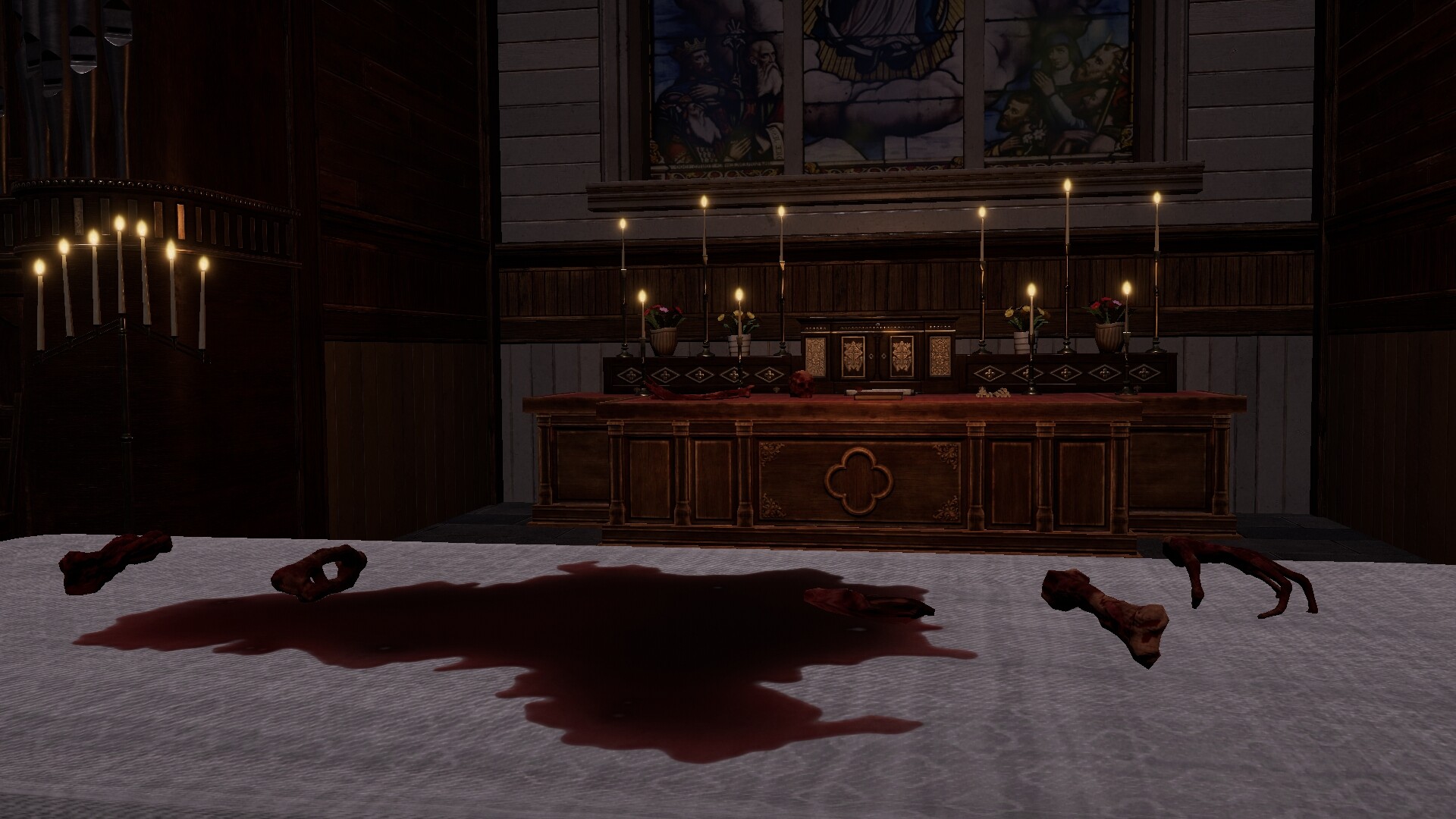
Trace of the Villa casts you as Jin, searching a property that feels “less abandoned than erased.” The official description outlines gameplay that has you restoring power, unlocking hidden compartments, and extracting fragments from safes and secured systems. Those details point to a play loop where locating, inspecting, and connecting physical evidence is the primary reward—an approach that privileges clue chains and environmental storytelling.

When and where
Trace of the Villa is available on Steam with a release date of 28 May, 2026. The Steam store page is the primary storefront for PC players; see the official Steam listing for system details and the latest updates.
Why the theme matters
The mansion-as-evidence-chamber setup encourages a particular kind of play: slow-burn suspense and psychological investigation. The official description frames the estate as deliberately forgotten and scrubbed of identifying marks, which shifts the focus from spectacle to deduction. That thematic choice rewards players who enjoy piecing together motive, timeline, and method from objects, documents, and reactivated systems.
How you progress — reading the environment
The Steam text mentions restoring power, hidden compartments, safes with encrypted fragments, and secured systems coming back online. Those are signals that progression depends on layered interactions: find an object, test it, use it to unlock another area or dataset, then reinterpret newly visible evidence. Expect chained puzzles where one solved lock or reactivated terminal opens access to a new set of clues—locked-room thinking applied to exploration rather than combat.
Player scenarios — who will enjoy it, and who might not
- Enjoys it: Players who like methodical investigation, object logic, and environmental storytelling. If you enjoy reconstructing a narrative from artifacts and data fragments, this fits.
- Also a match for: Fans of slow-burn mansion mystery and narrative puzzle design who prefer no-timer, inspection-heavy gameplay (the Steam categories include “Playable without Timed Input”).
- Less likely to enjoy it: Players looking for high-octane action, competitive multiplayer, or rapid reflex challenges. Trace of the Villa’s emphasis is on reading spaces and connecting clues.
How it compares to nearby titles
Below is a compact editorial comparison focused on genre, atmosphere, puzzle focus, exploration style, and pacing—intended to help readers decide if Trace of the Villa matches their tastes.
| Title | Genre / Focus | Puzzle style | Pacing & tone |
|---|---|---|---|
| Trace of the Villa | Action · Adventure · Indie (Steam listing) | Inspection-heavy, chained environmental puzzles; encrypted documents and secured systems | Slow-burn mansion mystery; investigative and atmospheric |
| The Room | Adventure · Indie | Mechanical box-and-safe puzzles with tactile manipulation | Focused, solitary puzzle-solving with high puzzle density |
| The Room Two | Adventure · Indie | Sequential tactile puzzles across connected chambers | Mystical, intimate, puzzle-forward pacing |
| Escape Simulator | Adventure · Casual · Indie | Highly interactive rooms; physics-based object manipulation | Variable pace—can be fast and playful or slow and thorough, supports co-op |
Use this comparison to judge fit: if you prefer narrative scaffolding around clues and a detective bent, Trace of the Villa sits closer to story-rich, inspection-first games than to physics-based room breakouts or action-heavy titles.
YouTube discovery
If you want to see trailer footage or gameplay snippets, search for Trace of the Villa on YouTube: Trace of the Villa trailer & gameplay (YouTube search). This link is a discovery route; a specific official video isn’t claimed here without verification.
View Trace of the Villa on Steam
Disclaimer: referenced titles and trademarks belong to their respective owners. Comparisons above are editorial discovery only and not claims of endorsement.
Leave a Reply