
Trace of the Villa — inspection-first mansion mystery for players who think in locked rooms
Trace of the Villa (Steadyturtle Co., Ltd.) casts you as Jin, a determined investigator following fragmented manifests and hints through a remote, decaying mansion to learn whether his missing sister may still be alive. Released on 28 May, 2026 for Steam/PC, the game foregrounds object logic, chained clues, and environmental reading over action spectacle.

Quick facts
| Title | Trace of the Villa |
|---|---|
| Steam appid | 3483660 |
| Release date | 28 May, 2026 |
| Developer | Steadyturtle Co., Ltd. |
| Publisher | Steadyturtle Co., Ltd. |
| Genres | Action, Adventure, Indie |
| Categories / features | Single-player; Color Alternatives; Custom Volume Controls; Playable without Timed Input; Subtitle Options; Family Sharing |
Who is this for?
If you prefer puzzle play that rewards careful inspection — reading objects in their contexts, following small logical chains, and resolving multi-step, non-timed problems — Trace of the Villa is designed for you. It will suit players who enjoy slow-burn suspense and environmental storytelling rather than fast reflex tests or combat-driven progression.
What the game is
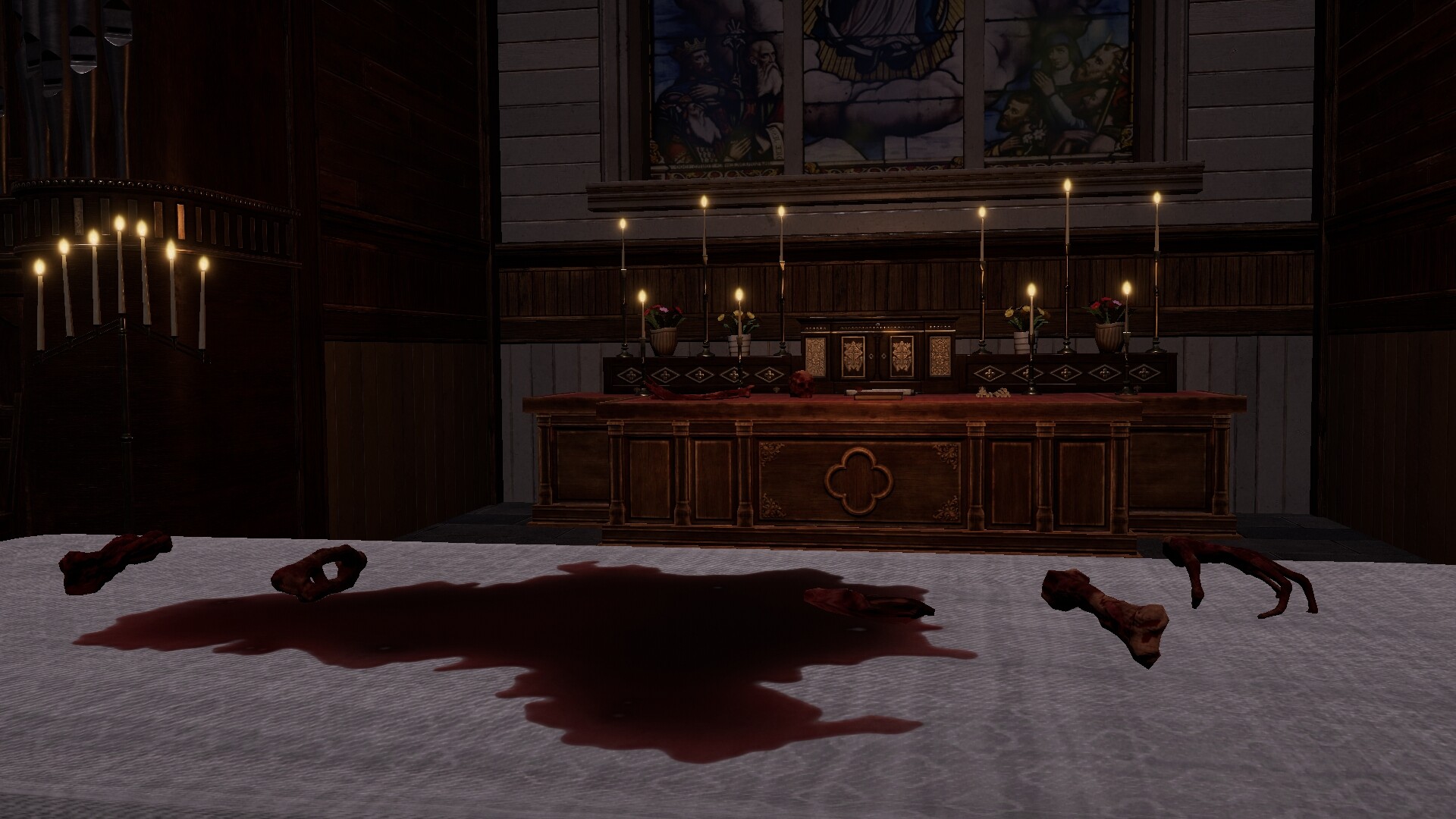
The official premise centers on Jin investigating a deliberately forgotten mansion after a lead suggests his sister may still be alive. Inside, rooms appear as if occupants vanished mid-routine; locked doors, secured systems, safes and encrypted fragments drive progression. The game leans into narrative puzzle design: restore power, unlock hidden compartments, and trace financial and identity clues that point to a larger, concealed operation.
When and where
Trace of the Villa released on 28 May, 2026 and is available on Steam for PC. The store listing shows standard accessibility options such as subtitle support and the ability to play without timed input, which aligns with inspection-heavy puzzle pacing.
Why the mansion format matters — object logic and environmental puzzles
Mansion settings in mystery games are productive because they let designers embed interlocking evidence across rooms: a ledger in a study references a name on a kitchen note; a wiring diagram in the basement explains why a locked safe can be powered and opened. Trace of the Villa appears to exploit that affordance — furnished rooms, secured systems, and encrypted fragments create layered clue chains that reward assembling context rather than brute-forcing a single code.
How you progress: reading environments and chaining clues
Based on the official description, progression emphasizes inspection: restore power to reactivate house systems, access hidden compartments, and decode fragments of documents and transfer records. Expect puzzles that depend on object logic (how items relate and function), environmental reading (arrangement, wear, and omission in a room), and multi-step inference where one unlocked secret supplies the next clue rather than an isolated puzzle box.

Player scenarios — who will enjoy specific moments
- Inspection purists: You enjoy turning every object over mentally and finding function or contradiction in décor; Trace of the Villa’s concealed documents and systems will give continuous small reveals.
- Story-first explorers: If following a human-focused mystery — missing persons, falsified identities, and financial trails — appeals, the mansion’s narrative breadcrumbs supply motive and context to puzzles.
- Slow-session players: The option to play without timed input makes this a good fit for sessions where you pause, note, and return to trace deduction across sittings.
- Players who dislike heavy combat: While the game is listed under Action and Adventure, the Steam categories emphasize single-player and accessibility features; the emphasis in the description is investigative rather than action spectacle.
Comparison: where Trace of the Villa sits among inspection-heavy mystery games
Below is a concise editorial comparison focused on genre, atmosphere, puzzle focus, exploration style, and pacing.
| Title | Genre / Atmosphere | Puzzle focus | Exploration / Pacing | Player fit |
|---|---|---|---|---|
| Trace of the Villa | Action / Adventure; atmospheric mansion mystery, psychological investigation | Object logic, chained clues, environmental reading, encrypted fragments | Slow-burn exploration; inspection-heavy, multi-step progression | Players who prefer investigation and environmental storytelling over timed or reflex sections |
| The Room | Adventure; focused, tactile mysterious objects and contraptions | Mechanical puzzle boxes and tactile inspection of a single central object | Concentrated, intimate pacing around one room or object at a time | Players who like precise, object-centric puzzle solving |
| Escape Simulator | Adventure / Simulation; interactive escape rooms, often co-op | Highly interactive item use, physics interactions, community-designed variety | Variable pacing depending on room; often faster and more tactile than narrative-led mysteries | Players who enjoy direct manipulation, sandbox problem solving, and community content |
YouTube discovery
If you want to see trailer or gameplay footage, search YouTube for Trace of the Villa trailers and clips: YouTube search for Trace of the Villa trailer & gameplay. (This is a discovery link; it is not a claim that any single video is official.)
Should you wishlist it?
Wishlist Trace of the Villa if you prioritize methodical, inspection-led puzzle design, enjoy atmosphere-driven mystery, and want a narrative puzzle game that unfolds through reading environments and connecting small, factual fragments. If you prefer physics-heavy interaction or fast multiplayer escape-room play, the comparison table above should help you weigh alternatives.
Steam page: Trace of the Villa on Steam
Referenced titles and trademarks belong to their respective owners. Comparisons here are editorial discovery only, not endorsements.
View Trace of the Villa on Steam
Leave a Reply