
Trace of the Villa — an inspection-first, locked-room mystery in a decaying mansion
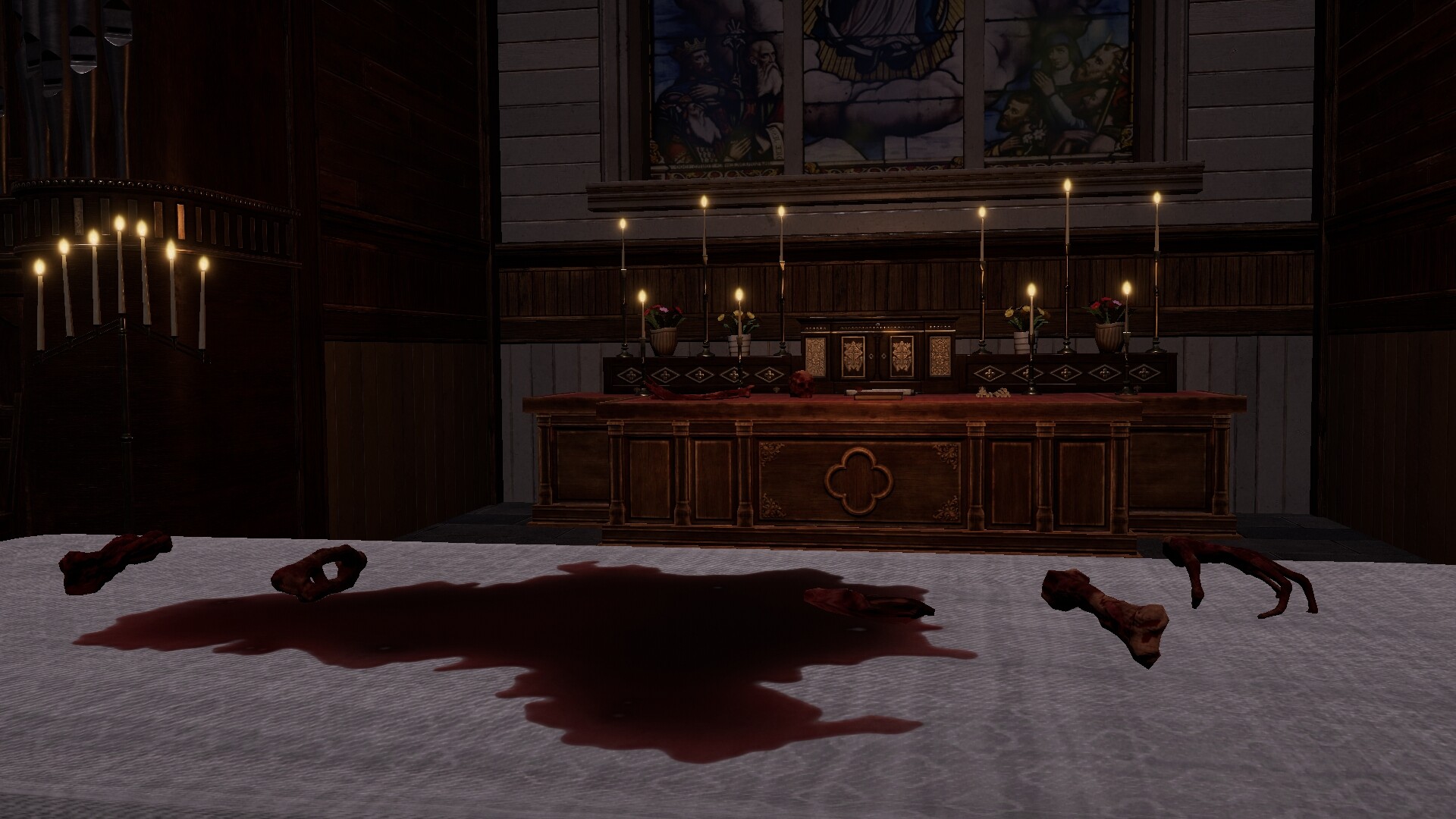
Trace of the Villa asks you to read a house the way an investigator reads a dossier: every object, circuit and closed door is a clue that leads to the next. Released 28 May, 2026 by Steadyturtle Co., Ltd., it’s built around environmental puzzles and object logic rather than twitch reactions.

Who this is for
If you prefer slow-burn suspense, methodical clue-chaining, and inspection-heavy gameplay, Trace of the Villa is aimed at you. The Steam page positions it as a single-player, story-rich adventure combining action and investigative exploration; the release and developer information (Steadyturtle Co., Ltd.) confirms it ships as a PC/Steam indie experience. Players who enjoy reading environments for narrative detail, who like layered puzzles that unlock more story rather than instant-set-piece puzzles, will likely find the design appealing.
What the game is
Officially described on Steam: “Jin has spent years searching for his missing sister, pursuing leads that took him to a remote, decaying mansion where he recovered manifests and hints that indicate his sister may still be alive, somewhere at the end of the trail he is about to follow.” The mansion is presented as deliberately erased: rooms furnished but missing photographs and names; secured systems and hidden compartments that only reveal themselves as power and systems are restored. Expect narrative puzzle design that ties evidence (documents, encrypted fragments, suspicious transfer records) to environmental systems and locked doors.

When and where
Trace of the Villa released on 28 May, 2026 and is available on Steam. The Steam listing identifies the game as Action / Adventure / Indie and lists single-player and several accessibility and UI options in its categories (Color Alternatives, Custom Volume Controls, Playable without Timed Input, Subtitle Options, Family Sharing).
Why the theme matters
The premise—searching through a scrubbed mansion for a missing sister while restoring systems and uncovering falsified identities—makes the game a study in environmental storytelling. The central conceit (erased occupants, locked doors, secured systems) is designed to make object logic meaningful: items aren’t flavor only, they’re functional data points in a chain of inferences. For players who want a mystery justified by physical detail and procedural investigation, that emphasis changes how puzzles feel: less arbitrary code entry, more connecting documentary scraps to mechanisms and locations.
How you progress — object logic, environmental puzzles, and clue chains
The Steam description makes the loop explicit: restore power, let systems come back online, open secured compartments and safes to reveal encrypted documents and transfer records, and follow those fragments down trails that point to people and places. Practically, that suggests a progression where inspection and inventorying matter: examining rooms for inconsistencies, using restored terminals or power to unlock new surfaces, and assembling timeline fragments to justify subsequent access. Expect puzzles that reward careful reading of props, paperwork and wiring rather than speed or combat expertise.
Compact facts — Trace of the Villa
| Title | Trace of the Villa |
|---|---|
| Release date | 28 May, 2026 |
| Developer / Publisher | Steadyturtle Co., Ltd. |
| Genres | Action, Adventure, Indie |
| Steam categories | Single-player; Color Alternatives; Custom Volume Controls; Playable without Timed Input; Subtitle Options; Family Sharing |
| Official premise | Jin searches a decaying, off-grid mansion for clues that his missing sister may still be alive; restored systems and found documents reveal a larger, concealed operation. |
How it compares (short table)
Comparison focuses on genre, atmosphere, puzzle focus and player fit — editorial discovery, not superiority claims.
| Title | Genre / Tone | Puzzle focus | Player fit |
|---|---|---|---|
| Trace of the Villa | Action / Adventure; atmospheric mansion mystery | Environmental puzzles, object logic, clue chains tied to systems/restoration | Players who prefer inspection-heavy, narrative-linked puzzles and slow-burn investigation |
| The Room (series) | Adventure; intimate, tactile mystery | Mechanical safes and tactile puzzle boxes; single-location, object-focused puzzles | Players who like focused, handcrafted mechanical puzzles with a contemplative pace |
| Escape Simulator | Adventure / Simulation; interactive escape rooms | Highly interactive rooms, physics and item manipulation; community-made variety | Players who enjoy exploratory object interaction and co-op or solo escape-room gameplay |
Player scenarios — three ways to approach the mansion
- The Archivist: You catalog every document and appliance, treat the mansion like a crime scene, and use evidence chains to unlock terminals and safes.
- The Systems Restorer: You prioritize power and systems so the environment yields up new interactions; puzzles are solved by reactivating infrastructure and following access changes.
- The Narrative Chaser: You move room-to-room following story breadcrumbs—encrypted transfers, manifests and missing-person leads—to trace where identities were erased.
Each approach highlights the game’s inspection-heavy design and object logic: the same clue can serve as a mechanical key, a narrative revelation, or both.
YouTube discovery (search)
If you want trailers or gameplay clips, search YouTube using this path rather than relying on unverified videos: Search Trace of the Villa trailer & gameplay on YouTube.
Final considerations and call to action
Trace of the Villa is built around environmental storytelling and clue-driven exploration. If you value object logic and patient, inspection-based puzzle loops—and want a narrative frame about erased identities and hidden systems—it’s worth adding to a wishlist. The Steam page lists accessibility options like subtitles and playability without timed input, which helps players who prefer a measured pace.
Disclaimer: Referenced titles and trademarks belong to their respective owners. Comparisons above are editorial discovery only and use publicly available Steam descriptions and the provided topic research; they do not imply endorsement or official connection.
Leave a Reply