
Trace of the Villa — an inspection-first mansion mystery for clue-driven players
Trace of the Villa (Steadyturtle Co., Ltd., released 28 May, 2026) places you in a decaying, deliberately erased mansion where restoring power and reading the environment are the primary tools for uncovering a larger operation. If you prefer puzzles that reward careful inspection, object logic and chained clues over twitch reflexes, this is the kind of slow-burn, atmospheric mystery adventure to consider.

Quick facts
| Title | Trace of the Villa |
|---|---|
| Steam AppID | 3483660 |
| Release date | 28 May, 2026 |
| Developer / Publisher | Steadyturtle Co., Ltd. |
| Genres | Action, Adventure, Indie |
| Notable Steam categories | Single-player; Color Alternatives; Custom Volume Controls; Playable without Timed Input; Subtitle Options; Family Sharing |
| Steam reviews (public) | No user reviews listed on Steam at time of writing |
Who is this for?
Trace of the Villa targets players who enjoy methodical, inspection-heavy play: those who read environmental detail, open every locked drawer, and treat items as nodes in a clue chain rather than one-off props. If you value atmospheric mystery adventure and narrative puzzle design — a game that rewards pausing, scanning, and linking fragments of evidence — it fits your taste. It’s less aimed at instant-action players or those looking for time-limited reaction puzzles; the Steam page explicitly lists “Playable without Timed Input” and accessibility options like color alternatives and custom volume controls, supporting a measured, contemplative pace.
What the game is
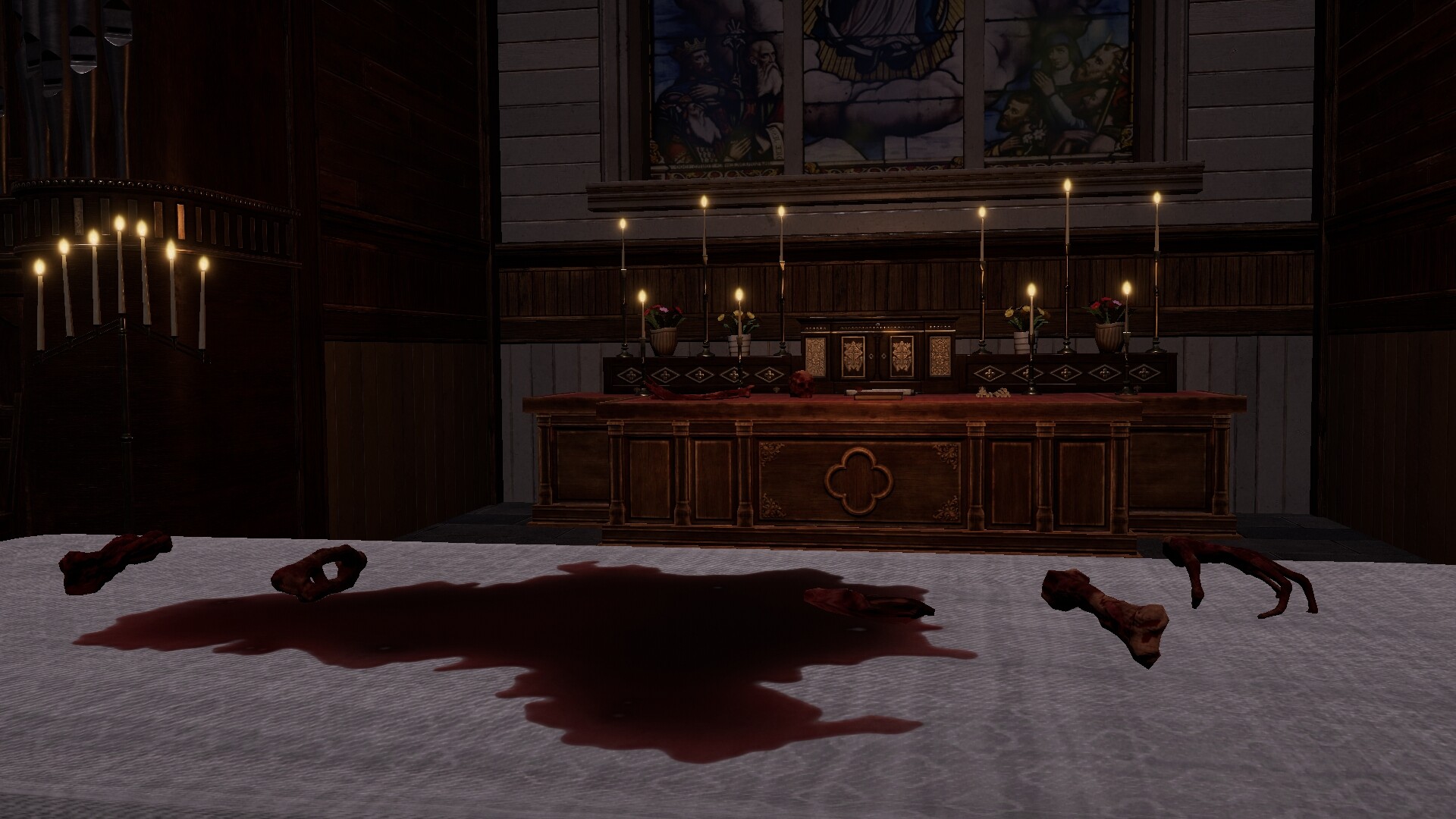
The Steam description positions you as Jin, a man searching for his missing sister. A lead brings him to a remote, decaying mansion that appears intentionally erased: furnished rooms with vanished identities, locked doors, and systems to be restored. The house reacts when power is returned—secured systems come online, hidden compartments unlock, and safes yield encrypted documents and suspicious transfer records. The design emphasis in that description is on investigation through environmental storytelling and piecing together timelines from physical evidence rather than combat-driven progression.

When and where
Trace of the Villa released on Steam on 28 May, 2026 and is available on the Steam store page for PC. The Steam app entry lists features and accessibility options (see facts table) that indicate a single-player, PC-focused experience.
Why this mansion mystery matters
The premise—an erased residence where identities have been scrubbed—makes object logic and environmental puzzles the primary storytelling devices. That matters for players who prefer clues that emerge from mise-en-scène: a power cycle that reactivates a clue chain, a safe that yields fragments pointing to financial trails, or a sequence where multiple small observations assemble into a clear pattern. The theme supports a tone of slow-burn suspense and psychological investigation rather than jump-scare horror or action spectacle.
How you read clues and progress
According to the official description, progression is largely about restoring systems and interpreting the results. Expect to:
- Inspect object placement and states — items left mid-use, missing photos, and altered furnishings carry narrative weight.
- Restore power or systems to reveal new nodes in the puzzle chain: unlocked compartments, powered terminals, and safes with fragments of encrypted documents.
- Connect fragments — encrypted transfers, manifests, and procedural clues slowly outline a wider operation and timeline.
This is inspection-heavy design: solving one object-based puzzle typically yields another clue rather than a single mechanical reward. If you prefer games that require chaining small discoveries into a final revelation, Trace of the Villa’s described approach aligns with that preference.
Player scenarios — who should wishlist this
- The methodical detective: You catalogue possessions, re-check rooms for small differences, and enjoy constructing timelines from scattered evidence.
- The environmental reader: You treat set dressing as text: light, wiring, and furniture tell story beats as much as notes or logs.
- The puzzle chain player: You like multi-step solutions where one unlocked system produces new puzzles rather than repetitive fetch tasks.
- The story-first explorer: You accept slow pacing for payoff in narrative clarity and the feeling of assembling a conspiracy from fragments.
If none of those sound appealing—if you prefer fast-paced combat, score attack puzzles, or instant online co-op—this title is likely not the best fit.
How it stacks up: short editorial comparison
Below is a concise editorial comparison with nearby mystery/puzzle titles to help decide fit. These comparisons use lawful editorial criteria—genre, atmosphere, puzzle focus, exploration style, and pacing.
| Title | Primary genre / atmosphere | Puzzle focus | Exploration style | Pacing / player fit |
|---|---|---|---|---|
| Trace of the Villa | Action / Adventure / Indie — atmospheric mansion mystery | Object logic, environmental chains, system restoration (safes, encrypted documents) | Single-player, slow, inspection-heavy in a confined estate | Slow-burn, narrative-first; for players who piece together evidence |
| The Room | Adventure / Indie — tactile, mechanical mystery | Complex mechanical puzzles and safes; focused object puzzles | Contained puzzle boxes and rooms; tactile, single-focus inspection | Formal puzzle progression; for players who like handcrafted mechanical puzzles |
| Escape Simulator | Adventure / Casual / Indie — interactive escape rooms | Highly interactive object puzzles, physics interactions, community rooms | Room-by-room escape scenarios, solo or co-op; sandbox interactions | Variable pacing; good for cooperative puzzle-solving and creative approaches |
| Hi‑Fi RUSH | Action — rhythm-driven action game with bright tone | Not puzzle-focused; rhythm-combat and level-based challenges | Open action stages; emphasis on combat flow and music sync | Fast, kinetic; for players wanting action and rhythmic pacing rather than environmental mystery |
YouTube discovery (trailer and gameplay searches)
For trailers and gameplay footage, search YouTube using this discovery path: Trace of the Villa trailer & gameplay (YouTube search). This is a YouTube search/discovery link; check publisher channels or verified uploads for official trailers.
Leave a Reply