
Trace of the Villa — an inspection-first mansion mystery for players who read everything
Trace of the Villa is a slow-burn, clue-driven adventure about Jin’s search for his missing sister inside a deliberately erased, decaying mansion. Built around environmental puzzles, locked doors and document fragments, the game asks players to think like an investigator: inspect, infer, and follow chains of clues to pull the story into focus.

Quick facts
| Title | Trace of the Villa |
|---|---|
| Steam AppID | 3483660 |
| Developer / Publisher | Steadyturtle Co., Ltd. |
| Release date | 28 May, 2026 |
| Genres | Action, Adventure, Indie |
| Key categories | Single-player; Color Alternatives; Custom Volume Controls; Playable without Timed Input; Subtitle Options; Family Sharing |
| Official short description | “Jin has spent years searching for his missing sister, pursuing leads that took him to a remote, decaying mansion where he recovered manifests and hints that indicate his sister may still be alive, somewhere at the end of the trail he is about to follow.” |
Who this is for
If you prefer inspection-heavy, object logic puzzles and environmental storytelling over twitch mechanics, Trace of the Villa is aimed at you. The game’s Steam categories include “Playable without Timed Input” and subtitle options, which signals a measured, thoughtful pace: ideal for players who like to read documents, trace financial or identity clues, and build forward from small discoveries rather than relying on reflex-based sequences.
What the game is
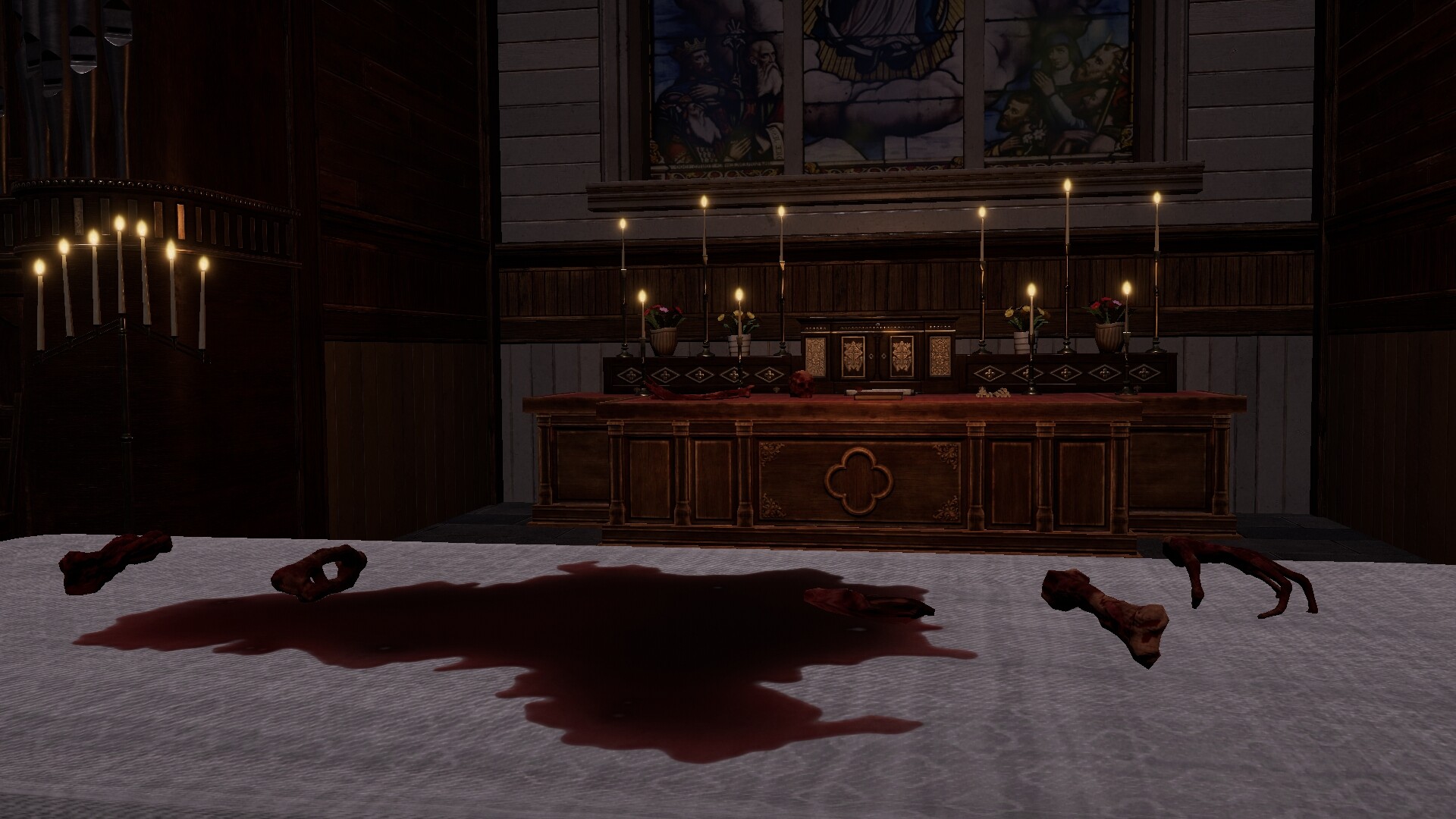
Trace of the Villa places you in a remote, intentionally forgotten mansion. According to the official Steam description, rooms feel “less abandoned than erased” — furnishings remain, but names, photographs and histories are missing. The hero, Jin, restores power and starts unspooling evidence: secured systems coming back online, hidden compartments opening, safes producing fragments of encrypted documents and suspicious transfer records. The core play loop centers on object logic and chained clues: find something small, use it to unlock a system, read the result, and let that information point you to the next place to inspect.

When and where
Trace of the Villa launched on Steam on 28 May, 2026. It is listed on Steam as an Action / Adventure / Indie title published and developed by Steadyturtle Co., Ltd. The Steam page shows single-player-oriented accessibility features such as color alternatives, custom volume controls, and subtitle options.
Why the theme matters — built for locked-room thinking
The mansion premise supports a locked-room investigative mindset: rooms that look lived-in but missing identity markers encourage close environmental reading. The game leverages financial trails, falsified identities and encrypted fragments mentioned in the official description to make evidence itself an engine of progression. That focus is meaningful because it makes the player’s attention the primary mechanic — instead of combat or platforming, your ability to notice, connect and persist with clue chains is what advances the plot.
How progression works: clue chains and object logic
The official materials outline the practical progression: restore power, reactivate systems, open hidden compartments, and decrypt fragments that reveal next steps. Expect to assemble timelines from manifests and suspicious transfer records, infer identities from partial data, and use in-world tools and documents together. This is inspection-heavy play: you will be rewarded for cataloguing details and for following small leads that expand the game’s investigative arc.
Player scenarios — who should wishlist this
- Players who enjoy slow, methodical puzzle-adventures where reading and note-taking reward forward progress.
- Fans of mansion mysteries and psychological investigation that favor atmosphere and investigative logic over action sequences.
- Those who like escape-room style puzzles in a single-player narrative — especially if you prefer non-timed challenges (the Steam category “Playable without Timed Input” is present).
How it compares — compact editorial comparison
| Title | Release | Puzzle focus | Atmosphere & pacing | Play style |
|---|---|---|---|---|
| The Room | 28 Jul, 2014 | Tactile puzzle boxes and mechanical safes | Dense, intimate, slow-unfolding mystery | Single-player, inspection-led, focused object interaction |
| The Room Two | 5 Jul, 2016 | Expanded mechanical and environmental puzzles | Cryptic, atmospheric, puzzle-driven | Single-player, tactile puzzle solving |
| Escape Simulator | 19 Oct, 2021 | Highly interactive escape rooms, physics and object use | Casual to intense depending on room; community rooms vary pacing | Solo or co-op, sandbox interaction, level editor |
| Hi‑Fi RUSH | 25 Jan, 2023 | Action rhythm mechanics, not puzzle-centric | Fast-paced, energetic, combat-synced to music | Action-forward single-player; contrasts with inspection-first titles |
Editorial note: these comparisons target how each title handles puzzles, atmosphere, exploration and player tempo — useful when deciding whether you want investigative, inspection-led gameplay (Trace of the Villa) versus tactile object puzzles or action rhythm design.
YouTube / trailer discovery
Search for gameplay footage and trailers on YouTube: Trace of the Villa trailer & gameplay on YouTube. Use that search path to find official trailers or independent playthroughs; this link is a discovery starting point and does not imply the presence of a verified official video at the time of writing.
Final decision guide
Choose Trace of the Villa if you want a story-rich adventure where progression is earned by reading the room: manifests, encrypted fragments and system logs are the mechanics as much as any lock or safe. If you look for rapid combat, platforming or social co-op, this title is not positioned there — its design centers on environmental reading and slow, chain-based investigation.
Leave a Reply