
Trace of the Villa: an inspection-heavy, locked-room mystery for clue-driven players
Trace of the Villa is a slow-burn, story-rich adventure that puts object logic and environmental reading at the center of its design. Released on 28 May, 2026 by Steadyturtle Co., Ltd., it casts you as Jin, a man following fragmentary manifests and hush-money trails through a decaying mansion where every misplaced item and powered-up system can become a clue.

What is Trace of the Villa?
Trace of the Villa is an atmospheric mystery adventure (Steam: Action, Adventure, Indie) built around investigative play: restoring power, unlocking secured compartments, and following financial and identity fragments that suggest a hidden operation. The official short description frames the core premise: “Jin has spent years searching for his missing sister, pursuing leads that took him to a remote, decaying mansion…” That premise sets up a game where clues are physical, cumulative, and often require reading context rather than solving isolated riddles.
Who is this for?
This is for players who prefer methodical, inspection-heavy puzzles over twitch reaction or puzzle-island design. If you enjoy object logic—looking at how an item is placed, what systems are reactivated, and how discoveries chain into new avenues—Trace of the Villa is pitched to that taste. It also suits players who like a muted, slow-burn narrative: atmospheric mystery adventure and psychological investigation rather than jump-scare horror or action setpieces.
When and where
Trace of the Villa launched on Steam on 28 May, 2026. It is a PC/Steam release developed and published by Steadyturtle Co., Ltd. The Steam app ID is 3483660; Steam categories include Single-player, Color Alternatives, Custom Volume Controls, Playable without Timed Input, Subtitle Options, and Family Sharing.
Why the theme matters
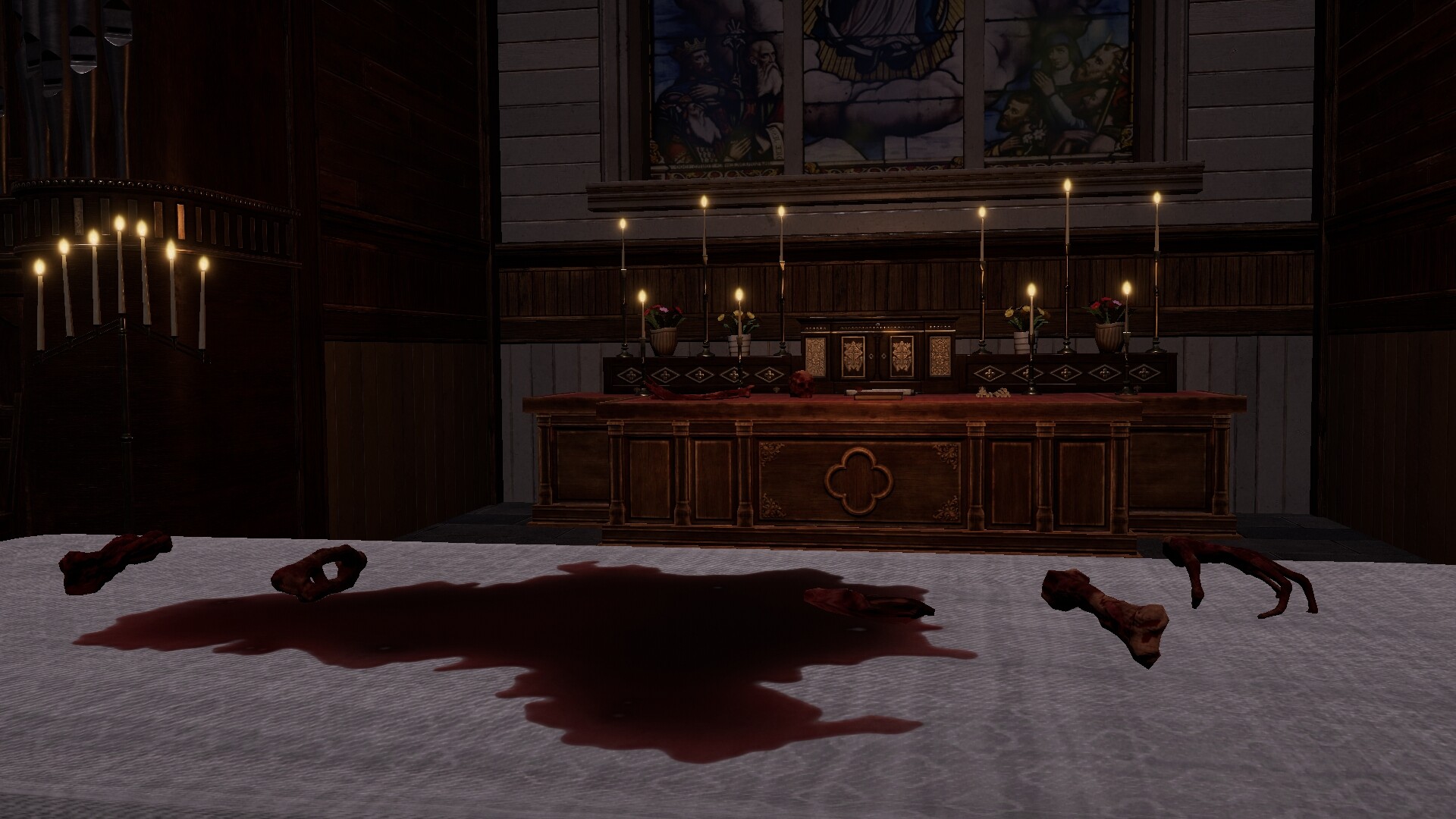
The mansion-as-evidence trope works best when the world rewards attention: rooms that look “erased” but contain micro-evidence, safes that yield partially encrypted manifests, and systems that only reveal a story if you restore power or pursue a side cue. Trace of the Villa’s premise—arrivals without records, departures without witnesses—tilts the game toward environmental storytelling where the house itself is the witness and requires careful reading.
How you read clues and progress
Progress in Trace of the Villa looks less like isolated puzzle boxes and more like chaining discoveries: restore a circuit to power a terminal; that terminal reveals a ledger entry, which points you to a locked drawer; the drawer contains a partial transfer record that suggests a name to cross-reference elsewhere. Expect object logic to reward an attention to placement, condition, and provenance (why that object is stored here, who would lock it away). The Steam description notes restored systems, hidden compartments, and safes that “yield fragments of encrypted documents and suspicious transfer records”—that language implies iterative decoding and inference across scenes rather than one-off code-cracking.
Player scenarios: who will enjoy it (and who might not)
- For methodical puzzle readers: You like backtracking with more information than brute-force. You keep notes and build timelines from small details.
- For narrative explorers: You prefer clues that reveal context about organizations and identities rather than only abstract puzzles.
- For environmental-storytelling fans: You enjoy inspecting rooms, comparing objects, and using world clues to infer off-screen events.
- Less ideal if: You want fast action, multiplayer co-op puzzling, or primarily physics-based manipulation—Trace of the Villa is centered on careful inspection and interpretive clue-chaining.
Compact facts: Trace of the Villa
| Title | Trace of the Villa |
|---|---|
| Steam appid | 3483660 |
| Release date | 28 May, 2026 |
| Developer / Publisher | Steadyturtle Co., Ltd. |
| Genres | Action, Adventure, Indie |
| Notable Steam categories | Single-player; Playable without Timed Input; Subtitle Options; Color Alternatives; Custom Volume Controls; Family Sharing |
| Official short description | “Jin has spent years searching for his missing sister… [he] recovered manifests and hints that indicate his sister may still be alive, somewhere at the end of the trail he is about to follow.” |
How Trace of the Villa compares (quick editorial table)
| Title | Core focus | Puzzle style | Exploration | Tone / Pacing |
|---|---|---|---|---|
| The Room | Single-location mechanical puzzles | Highly tactile, object-based contraptions | Focused, contained rooms with a sequence of safes | Enigmatic and gradually unsettling; deliberate pacing |
| The Room Two | Expanded locations; layered mechanical puzzles | Complex object interactions across scenes | Sequential set pieces with mechanical logic | Atmospheric, slow-burn puzzle progression |
| Escape Simulator | Highly interactive escape-room toolbox | Physics-driven interaction and modular rooms | Sandbox-style rooms, many community-made designs | Variable—can be fast or investigative depending on room |
| Trace of the Villa | Investigation-led mansion mystery | Inspection-heavy, clue-chaining, encrypted fragments | Interconnected rooms and systems to restore and cross-reference | Slow-burn, narrative puzzle design; investigative tone |

YouTube discovery
Look for trailers and gameplay clips via this YouTube search path (useful for trailer or raw gameplay discovery): Search Trace of the Villa on YouTube. This is a discovery link; specific videos should be verified as official before attributing them to the developer.
View Trace of the Villa on Steam
Disclaimer: Referenced titles and trademarks belong to their respective owners. Comparisons in this article are editorial discovery only and not endorsements. All game facts and visuals above are taken from the official Steam app details for Trace of the Villa and the listed titles’ public descriptions.
Leave a Reply