
Trace of the Villa — an inspection-first mansion mystery for clue-chain players
Trace of the Villa drops you into a deliberately forgotten mansion where every object, locked door and restored circuit is a piece of a larger puzzle. It’s an atmospheric mystery adventure built around environmental reading, object logic and slow, inspection-heavy progression.

Who, what, when and where
Who: Trace of the Villa is developed and published by Steadyturtle Co., Ltd. for PC players who prize methodical puzzle work and narrative atmosphere.
What: An Action/Adventure/Indie title in which protagonist Jin follows leads to a remote, erased-feeling estate and pieces together evidence that could point to his missing sister still being alive.
When / Where: Released on Steam on 28 May, 2026. The Steam store page and widget are embedded at the end of this article.
Facts: Trace of the Villa
| Title | Trace of the Villa |
|---|---|
| Steam AppID | 3483660 |
| Release date | 28 May, 2026 |
| Developer / Publisher | Steadyturtle Co., Ltd. |
| Genres | Action, Adventure, Indie |
| Notable Steam categories | Single-player; Color Alternatives; Custom Volume Controls; Playable without Timed Input; Subtitle Options; Family Sharing |
| Official short premise | “Jin has spent years searching for his missing sister, pursuing leads that took him to a remote, decaying mansion…” (official Steam description) |
How the game asks you to think — object logic and environmental puzzles
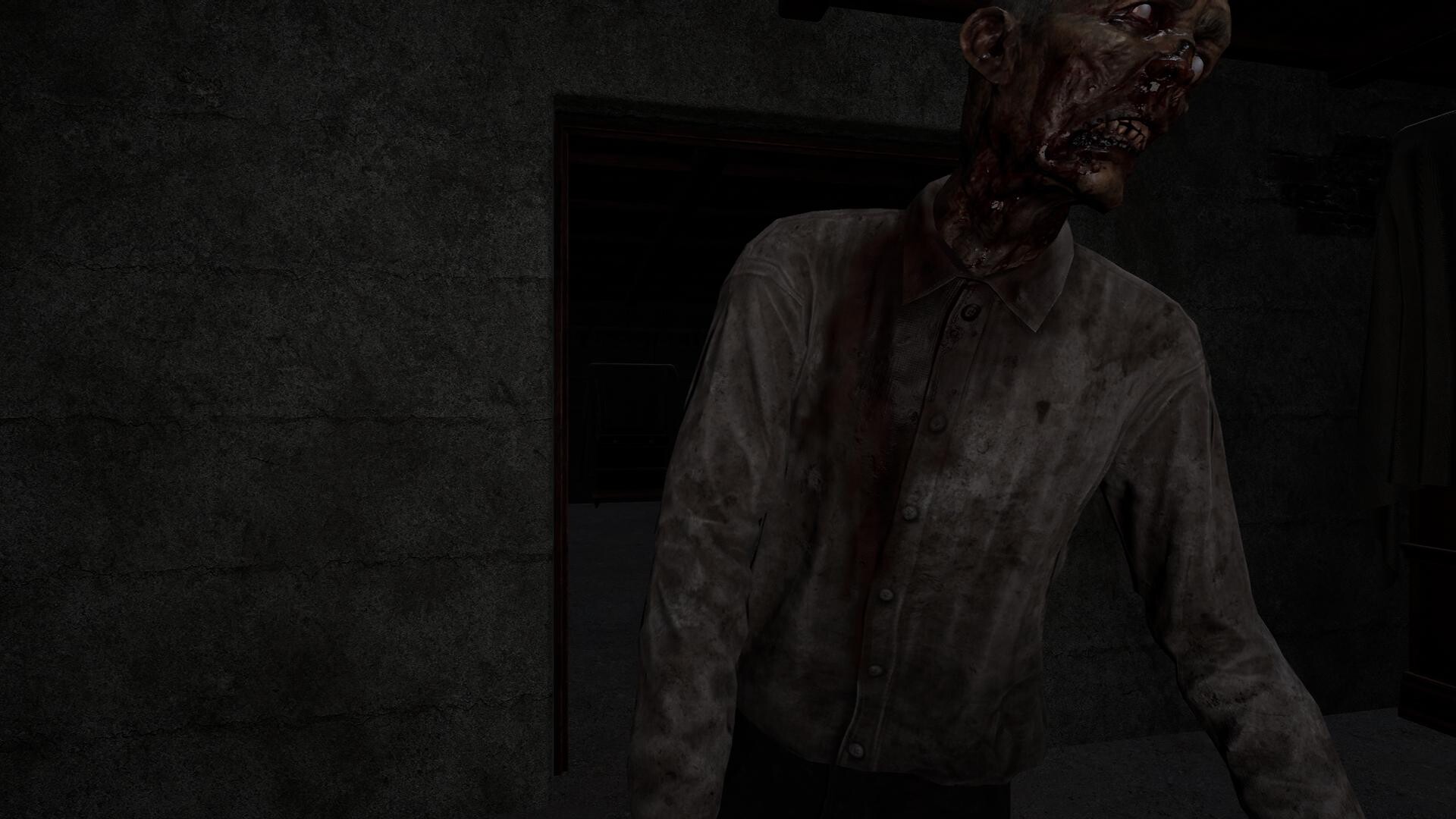
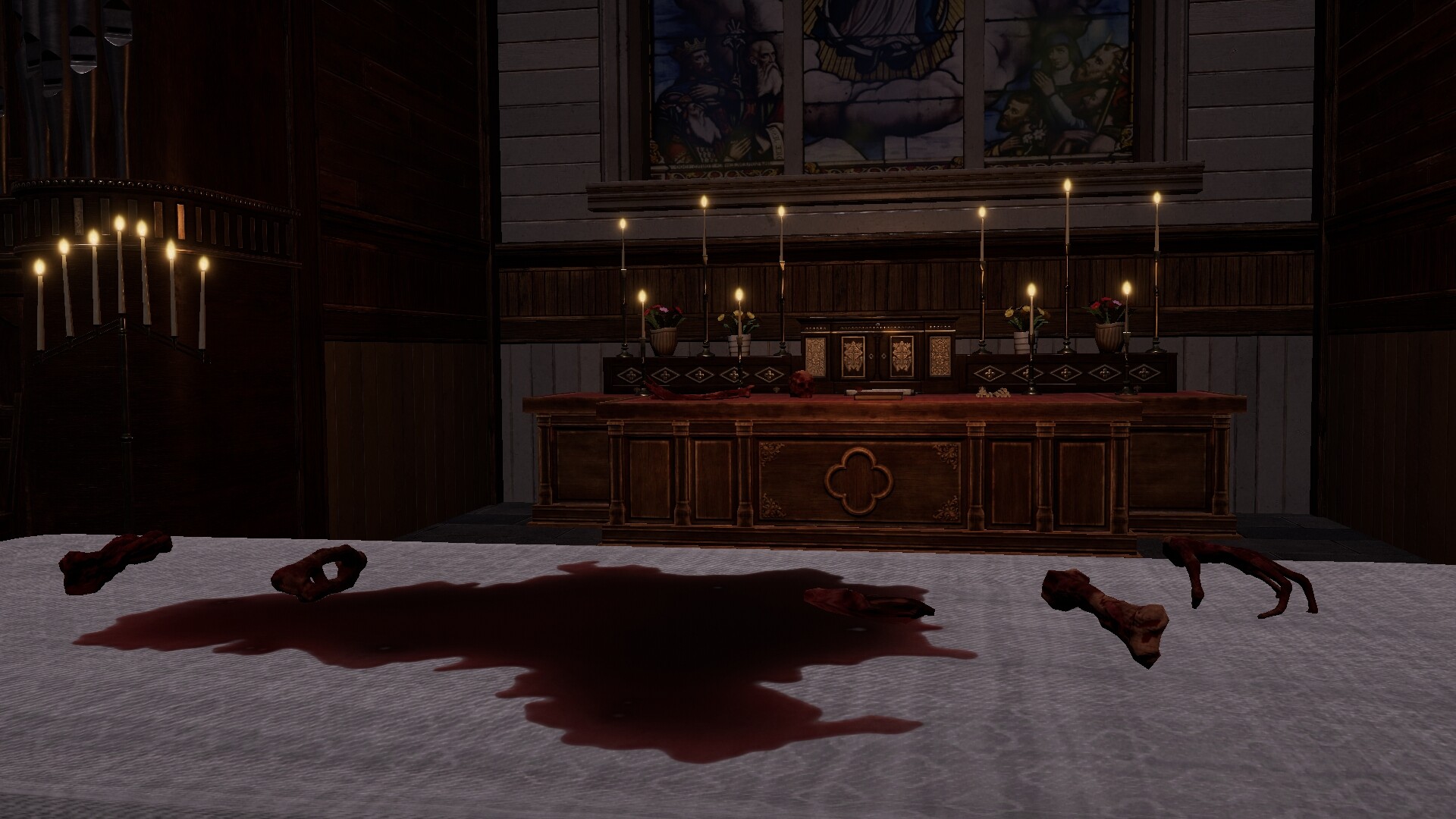
The official description makes the design focus explicit: rooms “remain furnished as if their occupants vanished mid-routine,” and restoring power causes “secured systems” to come back online, unlocking hidden compartments and safes that yield fragments of encrypted documents and suspicious transfer records. That setup signals a puzzle loop grounded in inspection: find an object, infer its role in a system, use it to restore or open something else, then follow the evidentiary thread.
Expect clue chains that are lateral rather than purely mechanical. The game’s emphasis on restored systems and discovered documents indicates environmental storytelling that rewards careful reading of space and items — not reflexes. The Steam category “Playable without Timed Input” supports a slower, inspection-first pace.
Why this mansion mystery matters for clue-driven players
Mystery adventures live or die on how they scaffold discovery. Trace of the Villa’s published text highlights a tonal conceit — identity removal, financial trails that lead nowhere — that frames puzzles as evidentiary work. For players who enjoy mining narrative from objects and systems rather than from cutscenes or expository blocks, that design puts object logic at the center.
How you progress: a practical outline
- Inspect rooms and personal effects for anomalies (missing photographs, altered inventories — as mentioned in the official description).
- Restore power or systems to reactivate locked mechanisms; reactivated systems reveal new pathways and data.
- Open safes and hidden compartments to collect document fragments and records, which create new leads and puzzle constraints.
- Follow the chain of evidence (falsified identities, suspicious transfers) to new areas of the estate and new puzzle types.
Those steps are taken from the game’s official text and the Steam metadata; they describe a progression that privileges patience, attention to detail and chaining small discoveries into larger inferences.
Player scenarios — who should wishlist this
- The Inspection Specialist: You like to pick up, rotate, read, and re-check objects until a pattern emerges. “Playable without Timed Input” aligns with your preference for methodical play.
- The Environmental Storyteller: You prefer story through possessions and layout: what’s left behind and what the absence of names implies. The mansion’s erased identities and scrambled records are your kind of narrative fuel.
- The Slow-Burn Investigator: You want a slow build where each unlocked safe or system reveals a new angle of the plot rather than instant answers. Trace of the Villa frames its mystery as cumulative evidence discovery.
How it compares — short editorial comparisons
Below is a compact editorial comparison with nearby titles chosen for shared puzzle and atmospheric interests. These comparisons focus on genre, atmosphere, puzzle focus, exploration style, story tone and pacing.
| Title | Genre / Release | Atmosphere & Story Tone | Puzzle / Exploration Focus | Pacing / Player Fit |
|---|---|---|---|---|
| Trace of the Villa | Action, Adventure, Indie — Released 28 May, 2026 | Decaying mansion, erased identities; psychological investigation tone (official description) | Object logic, restoring systems, safes & encrypted documents; inspection-heavy environmental puzzles | Slow-burn; suited to players who prefer careful reading over timed pressure |
| The Room | Adventure, Indie — Released 28 Jul, 2014 | Isolated, puzzle-focused with a sense of arcane mystery | Mechanical safes and layered boxes; tactile puzzle solving around single-object devices | Focused, tactile; best for players who enjoy self-contained mechanical puzzles |
| The Room Two | Adventure, Indie — Released 5 Jul, 2016 | Cryptic, transportive atmospheres with a continuous narrative thread | Pedestal and device puzzles that expand the physical puzzle space | Gradual revelation with distinct puzzle islands; good for players wanting a narrative through puzzles |
| Escape Simulator | Adventure, Casual, Indie — Released 19 Oct, 2021 | Bright, playful escape-room tones; community content varies | Highly interactive rooms with
Steam pageView Trace of the Villa on Steam YouTube discoveryFor trailer and gameplay discovery, use YouTube search rather than relying on unverified embeds: Find Trace of the Villa trailer and gameplay searches on YouTube. CommentsMore posts |
Leave a Reply