
Trace of the Villa — an inspection-heavy mansion mystery for clue-driven players
Trace of the Villa puts you in the shoes of Jin, an investigator following a cold trail into a remote, decaying mansion where signs of past occupancy have been deliberately erased. The game foregrounds close inspection, object logic, and chained clues: restore power, open secured systems, and watch the house reveal encrypted fragments that map a larger operation.

| Title | Trace of the Villa |
|---|---|
| Steam AppID | 3483660 |
| Release date | 28 May, 2026 |
| Developer / Publisher | Steadyturtle Co., Ltd. |
| Genres | Action, Adventure, Indie |
| Categories / Accessibility | Single-player; Color Alternatives; Custom Volume Controls; Playable without Timed Input; Subtitle Options; Family Sharing |
| Store page | Trace of the Villa on Steam |
What the game is
Trace of the Villa is a story-driven mystery adventure set in a cut-off mansion that feels “erased” rather than simply abandoned. According to the official Steam description, you play Jin, who recovers manifests and hints suggesting his missing sister may still be alive. Gameplay moments called out in the official text include restoring the estate’s power, reactivating secured systems, unlocking hidden compartments and safes, and piecing together encrypted documents and suspicious transfer records. Those reveals build a timeline and point to a broader, concealed operation behind the property.
Who it’s for
If you prefer inspection-heavy play and environmental storytelling over fast combat or reflex tests, Trace of the Villa is squarely aimed at you. Players who enjoy methodical clue-chaining — reading rooms, cataloguing objects, and letting narrative threads emerge from physical evidence — should consider adding it to their wishlist. The Steam categories (Playable without Timed Input; Subtitle Options; Color Alternatives) suggest the developers expect players who want a contemplative pace and accessibility options for focused inspection.
When and where
Trace of the Villa launched on 28 May, 2026 and is available on Steam for PC. The game’s Steam page lists Steadyturtle Co., Ltd. as both developer and publisher and classifies it under Action, Adventure and Indie.
Why the theme matters — locked-room thinking and erased identities
The game’s premise centers on a mansion where occupants appear to have vanished mid-routine and where identities have been stripped from the environment. That setup rewards a particular reading practice: treat every object as potential evidence rather than mere set dressing. In a narrative built around falsified identities and financial trails, the very layout of rooms, the presence or absence of personal items, and the sequence in which systems come back online become narrative cues. For players interested in psychological investigation and slow-burn suspense, that careful environmental reading is the primary engine of intrigue.
How you read clues and progress — object logic, environmental puzzles, and chain-solving
Official descriptions make clear that progress often comes from reactivating infrastructure (restoring power, reengaging secured systems) and then interrogating what those systems reveal: safes and hidden compartments yield fragments; manifests and transfer records form a financial trail. Practically, that maps to a design pattern common in inspection-heavy mystery games:
- Start by establishing the room’s baseline — what’s powered, what’s secured, what’s missing.
- Manipulate one system (flip a power switch, restore a circuit) to change the environment and open the next set of clues.
- Use object logic: small artifacts (manifests, encrypted fragments) combine to form bigger patterns (falsified identities, movement patterns).
- Expect chained puzzles where a discovered document or unlocked compartment supplies the next node in an evidence chain rather than a standalone riddle.
That design rewards players who annotate mentally (or on paper), revisit rooms after environmental changes, and treat the mansion itself as an evolving source of testimony.

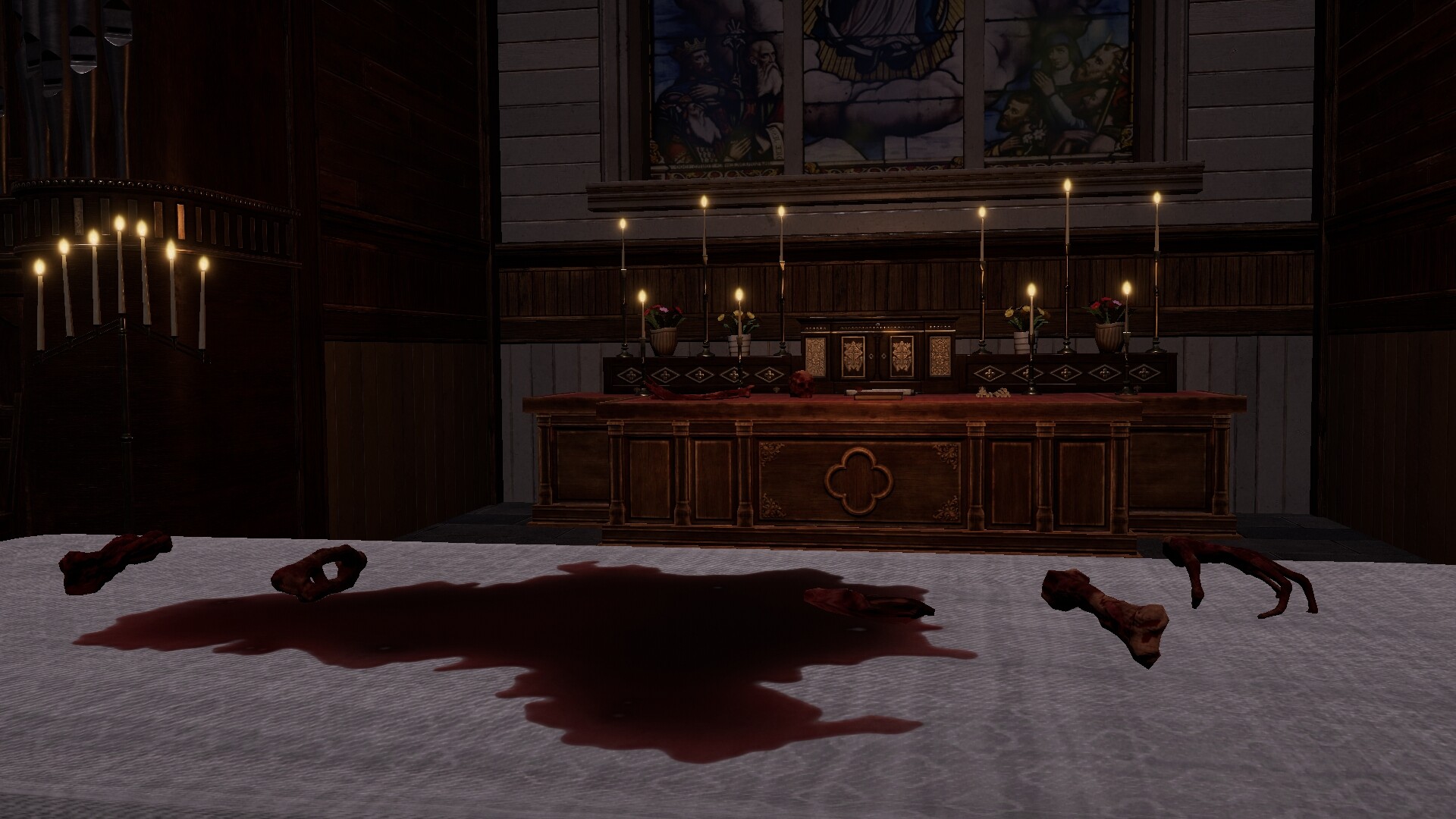
Player scenarios — who will get the most from Trace of the Villa
- Inspection-first players: You like pausing to inventory a room, cross-referencing documents, and returning after a system change. Expect satisfaction from linked evidence rather than from timed challenges.
- Atmosphere and slow-burn story fans: You prefer gradual reveals and thematic discovery—falsified records and erased identities that slowly coalesce into a disturbing pattern.
- Locked-room puzzlers with a narrative bent: You enjoy puzzles embedded in the environment where the solution is formed by careful environmental reading and object logic rather than reflexes.
How it compares (editorial discovery)
Below is a compact editorial comparison focused on how Trace of the Villa aligns with other inspection- and escape-style experiences. This is a genre-and-mechanics comparison, not a value judgment.
| Title | Genre / Focus | Puzzle style | Atmosphere & pacing | Player fit |
|---|---|---|---|---|
| Trace of the Villa | Action / Adventure / Indie — mansion mystery | Inspection-led, chain puzzles; reactivating systems, safes, encrypted documents | Slow-burn, psychological investigation; emphasis on erased identities and financial trails | Players who want environmental reading and clue-chaining |
| The Room | Adventure / Indie — focused locked-box puzzles | Contained mechanical puzzles (safe/safebox interaction), tactile manipulation | Dense, intimate, puzzle-first with a tense, mysterious tone | Players who enjoy single-room mechanical puzzles and tactile problem-solving |
| The Room Two | Adventure / Indie — expanded locked-room series | Multi-stage mechanical puzzles across interconnected chambers |
Leave a Reply