
Trace of the Villa: an inspection-heavy, locked-room mystery for slow-burn puzzle players
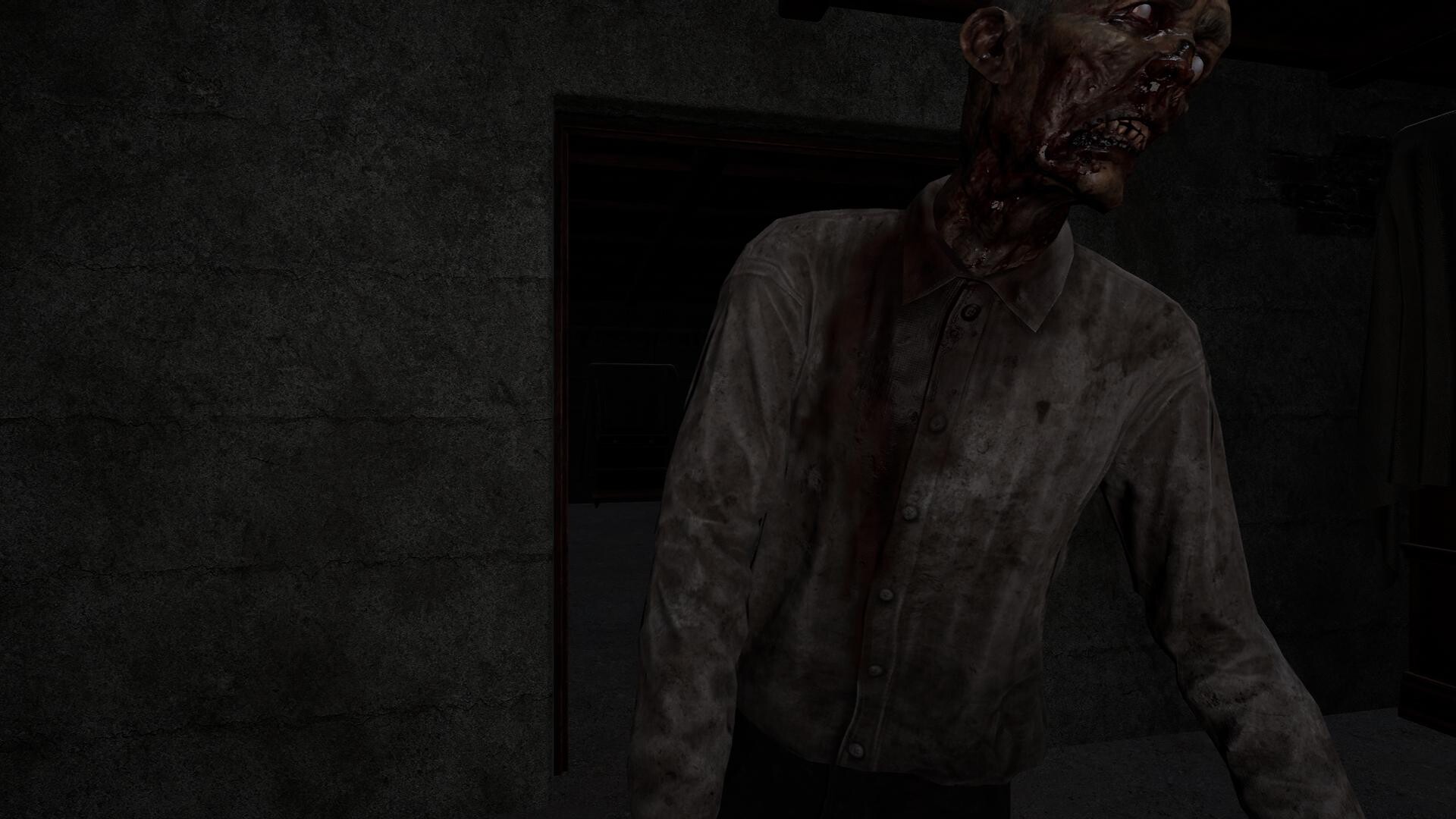
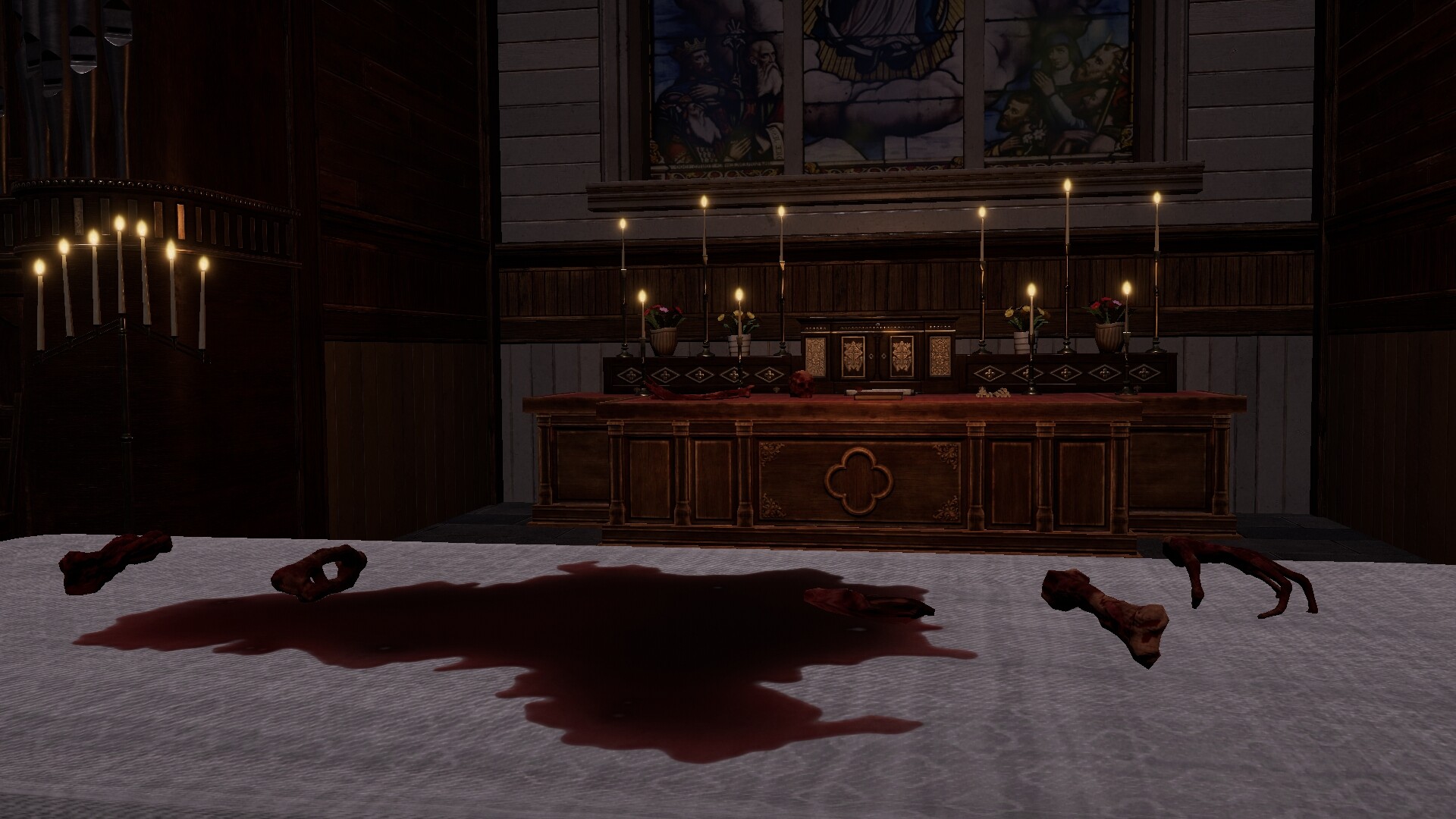
Trace of the Villa places you in a cut-off, decaying mansion where restoring power and reading the environment are the primary engines of progress. It’s an atmospheric mystery adventure built around object logic, hidden compartments, and chainable clues that reward careful inspection rather than reflexes.

What it is
Trace of the Villa (Steadyturtle Co., Ltd.) is an Action / Adventure / Indie release on Steam that frames a personal investigation: Jin has spent years searching for his missing sister and follows a lead to a remote, deliberately forgotten mansion. The house is furnished as if people vanished mid-routine; when Jin restores power, secured systems come back online and safes yield fragments of encrypted documents and suspicious transfer records. Puzzles are woven into systems, safes, and environmental details rather than timed sequences or heavy combat encounters.
Who should consider wishlisting it
- Players who prefer inspection-heavy gameplay and object logic over twitch reactions.
- Fans of atmospheric mystery adventures and mansion-set investigations with a slow-burn tone.
- People who enjoy clue chains and environmental storytelling — finding one artifact should naturally lead you to the next discovery.
- Players who value accessibility options noted on the Steam page (color alternatives, subtitle options, custom volume controls) and prefer titles playable without timed input.
When and where
Trace of the Villa released on Steam on 28 May, 2026. It’s listed as a single-player experience on PC with the Steam appid 3483660; the official Steam store page is linked at the end of this article.
Why the theme matters
The mansion premise centers the game on reading place and object: the absence of names or photographs turns the estate itself into an unreliable record-keeper. Restoring power to the property is not just a mechanical goal — it’s a narrative device that reactivates the environment and expands the puzzle vocabulary available to the player. That coupling of story and systems makes solving a lock or decrypting a document feel like uncovering a missing piece of lived history rather than ticking a checklist item.
How play and puzzles are likely to unfold
Official text on the Steam page describes sequences where Jin powers systems, unlocks hidden compartments, and recovers encrypted documents and transfer records. Expect chains of clues that connect physical objects (safes, secured systems, hidden compartments) with paper manifests and digital fragments. That design favors careful observation — note-taking, revisiting rooms after new tools/systems are online, and using contextual evidence to infer codes or locations. The Steam categories also list “Playable without Timed Input”, which aligns with a measured, inspection-first puzzle tempo.
Quick facts
| Title | Trace of the Villa |
|---|---|
| Developer / Publisher | Steadyturtle Co., Ltd. |
| Release date | 28 May, 2026 |
| Genres | Action, Adventure, Indie |
| Key Steam categories | Single-player; Color Alternatives; Custom Volume Controls; Playable without Timed Input; Subtitle Options; Family Sharing |
| Steam store | Trace of the Villa on Steam |
| Steam reviews | As of publication: No user reviews on Steam |
How it compares — one-table snapshot
| Title | Primary Genre | Puzzle Focus | Atmosphere / Tone | Pacing / Play Style |
|---|---|---|---|---|
| Trace of the Villa | Action / Adventure / Indie | Environmental puzzles, object logic, inspection-heavy clue chains | Decaying mansion, unsettling absence of identity | Slow-burn, exploration and system-reactivity; playable without timed input |
| The Room | Adventure / Indie | Mechanical, tactile object puzzles (safe/box-focused) | Mysterious, singular locked-space investigation (attic/iron safe) | Solitary puzzle unraveling; tactile focus on a single puzzling device (released 28 Jul, 2014) |
| Escape Simulator | Adventure / Casual / Indie | Highly interactive rooms, physics interactions, community-created puzzles | Varied — from playful to tense depending on room | Faster, sandboxy interactivity; solo or co-op with lots of object manipulation (released 19 Oct, 2021) |
| The Room Two | Adventure / Indie | Mechanical & environmental puzzles across connected spaces | Cryptic, atmospheric exploration of larger spaces (released 5 Jul, 2016) | Methodical puzzle progression across rooms; focused single-player experience |
Player scenarios — will you enjoy it?
- You like careful deduction: If you enjoy piecing together how an estate’s systems interlock and following paper/digital trails from one discovery to the next, this design will reward you.
- You prefer narrative through environment: If you want story beats revealed by items, manifests, and reactivated systems rather than heavy cutscenes, the mansion’s recovered fragments are the core delivery method.
- You dislike timers and twitchy mechanics: The Steam page lists “Playable without Timed Input” — this is a good fit if you want to take notes, backtrack, and inspect at your
YouTube discovery
For trailer and gameplay discovery, use YouTube search rather than relying on unverified embeds: Find Trace of the Villa trailer and gameplay searches on YouTube.
Leave a Reply