Trace of the Villa — an inspection-first mansion mystery that privileges object logic and slow-burn clue chains
Released 28 May, 2026 by Steadyturtle Co., Ltd., Trace of the Villa drops you into a decaying, off-the-grid mansion where Jin follows manifests and encrypted traces that might lead to his missing sister. If you prefer puzzle loops built from careful observation, chained clues, and environmental storytelling rather than reflex tests or timed setpieces, this is aimed at that audience.

Who this is for
This is for players who enjoy inspection-heavy play: people who moment-to-moment read an environment, treat objects as evidence, and build multi-step inferences from small facts. If you like hobbyist detective work in games — turning on power, opening safes, tracing falsified files — and dislike mechanics that punish slow thinking with timers or twitch reflexes, Trace of the Villa’s Steam page and design signals should appeal.
What the game is
Trace of the Villa is an atmospheric mystery adventure (genres listed as Action, Adventure, Indie) in which protagonist Jin investigates a deliberately forgotten mansion. The official description emphasises furnished rooms that appear “erased” of identity, locked doors, secured systems coming back online, and safes or fragments of encrypted documents that reveal financial and identity irregularities. The core loop, as presented on Steam, is evidence collection, restoration of systems, and following chained clues toward a larger concealed operation.
When and where
Trace of the Villa launched on Steam on 28 May, 2026. It’s listed as a single-player PC title on Steam with accessibility and quality-of-life options such as color alternatives, custom volume controls, subtitle options, and “playable without timed input.”
Why the theme matters
The mansion-as-evidence-vault lets the game lean on object logic: every misplaced inventory, a shuttered circuit, or an absent photograph becomes a node in a chain. Because the narrative premise revolves around erased identities and falsified records, puzzles that require reading context — not just matching symbols — reinforce the story. That coupling of environmental puzzles and narrative motive makes investigation feel consequential rather than arbitrary.
How progression, clues, and object logic fit together
From the official description: restoring power causes secured systems to come back online; hidden compartments unlock; safes yield fragments of encrypted documents and suspicious transfer records. That phrasing suggests a progression model where environmental actions (flip a breaker, restore a terminal) produce new objects or text to inspect. Expect a lot of chained puzzles where one discovery becomes the key to interpret another — manifest → account entry → physical lock combination, for example — rather than isolated, standalone riddles.

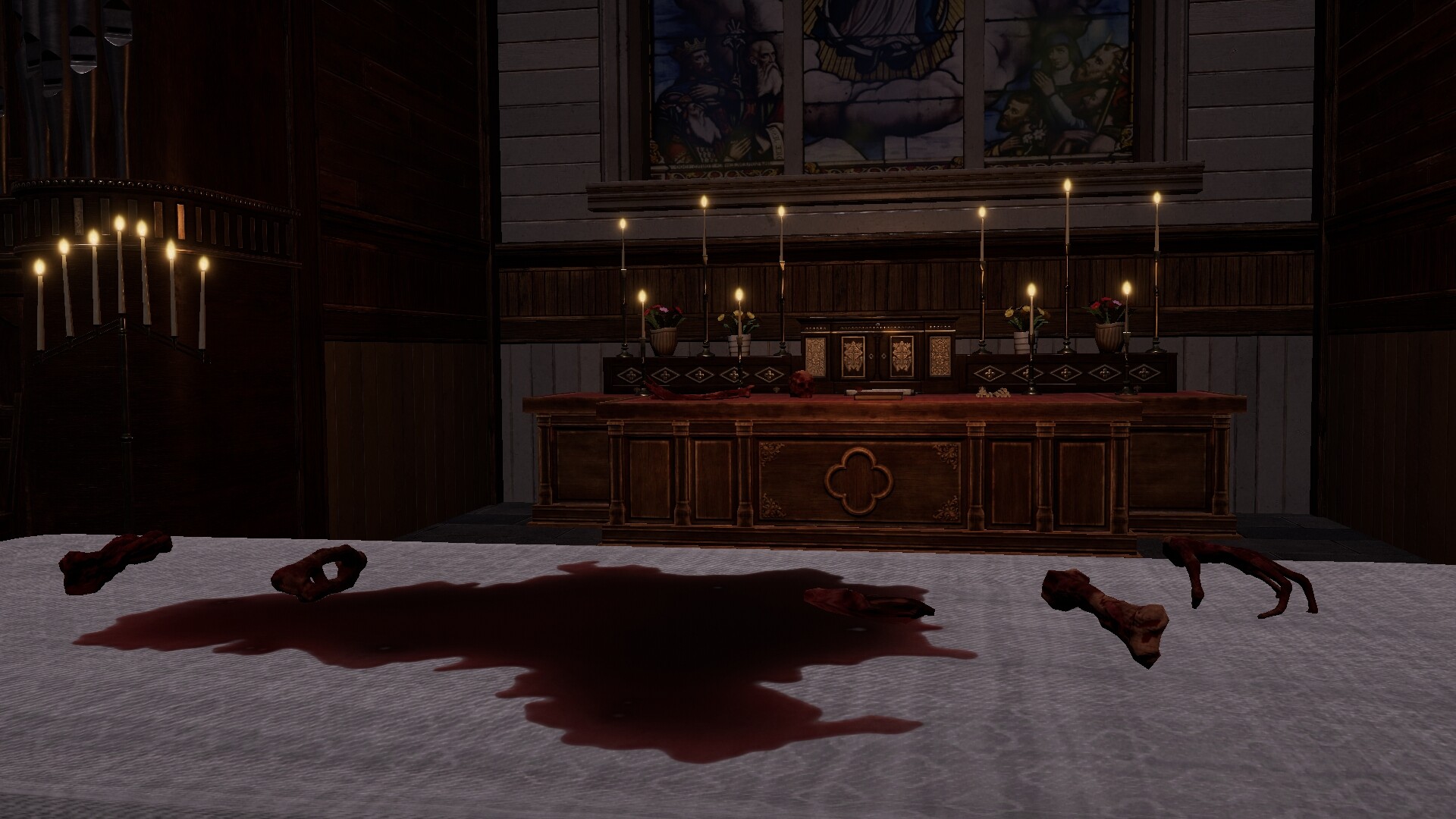
Player scenarios — who should wishlist this
- Slow-burn puzzle fans: You enjoy scenes that reward a minute-by-minute inventory of objects and the patience to assemble multi-step clue chains.
- Environmental storytellers: You prefer narratives told through domestic details (what’s missing, what’s arranged, what’s locked) rather than long cutscenes.
- Investigation-oriented players: You like following falsified records, encrypted fragments, and systems coming back online to reveal the next logical step.
- Accessibility-minded players: The Steam listing includes “playable without timed input,” subtitle options, and color alternatives, which matter if you favour contemplation over pressure.
Compact facts — Trace of the Villa
| Title | Trace of the Villa |
| Steam AppID | 3483660 |
| Release date | 28 May, 2026 |
| Developer / Publisher | Steadyturtle Co., Ltd. |
| Genres | Action, Adventure, Indie |
| Categories / features | Single-player; Color Alternatives; Custom Volume Controls; Playable without Timed Input; Subtitle Options; Family Sharing |
| Short premise | Jin follows manifests and hints in a decaying mansion that may hold traces of his missing sister. |
How it compares to nearby puzzle/mystery titles
Below is a compact editorial comparison focused on puzzle focus, atmosphere, exploration style, and pacing. This is an editorial discovery, not an endorsement.
| Title | Puzzle focus | Atmosphere / tone | Exploration style | Pacing / player fit |
|---|---|---|---|---|
| Trace of the Villa | Object logic; chained clues; document and system restoration | Decaying mansion; slow-burn, unsettling | Inspection-led rooms, systems to reactivate | Deliberate; for players who enjoy piecing timelines and context |
| The Room / The Room Two | Mechanical puzzles; physical safes and devices | Cryptic, tactile, sometimes occult-tinged | Focused on single-object manipulation per scene | Puzzle-driven, high on tactile logic; good for players who like handcrafted mechanical solutions |
| Escape Simulator | Highly interactive object puzzles; physics and item combination | Bright, varied room designs; community-led tone | Highly interactive; move and examine everything, often multiplayer | Good for players who enjoy tactile experimentation and community content |
| Hi‑Fi RUSH (contrast) |
Leave a Reply