Trace of the Villa — a slow-burn, inspection-heavy mansion mystery for clue-chain players
Trace of the Villa positions you as Jin, a determined investigator following leads into a decaying, off-grid mansion where manifests, safes and encrypted fragments suggest a larger, deliberately erased operation. If you enjoy locked-room thinking, environmental puzzles and games that reward careful inspection and chaining small discoveries into a larger theory, this is aimed squarely at that playstyle.

| Title | Trace of the Villa |
|---|---|
| Developer / Publisher | Steadyturtle Co., Ltd. |
| Release date | 28 May, 2026 |
| Steam AppID | 3483660 |
| Genres | Action, Adventure, Indie |
| Categories / Accessibility | Single-player; Color Alternatives; Custom Volume Controls; Playable without Timed Input; Subtitle Options; Family Sharing |
| Official short description | Jin has spent years searching for his missing sister, pursuing leads that took him to a remote, decaying mansion where he recovered manifests and hints that indicate his sister may still be alive, somewhere at the end of the trail he is about to follow. |
Who should consider wishlisting this on Steam?
Trace of the Villa suits players who prioritize careful observation over twitch skill: people who enjoy scanning a room, collecting fragments of evidence, and building logical chains between seemingly innocuous objects. If you like environmental storytelling where an unlocked drawer or a recovered manifest changes how you read the next room, this is for you. If you prefer high-tempo combat or purely action-driven progression, this one appears designed around a slower, investigative rhythm.
What the game is — premise and puzzle DNA
The protagonist, Jin, arrives at a deliberately forgotten mansion after years of dead ends. Official materials describe rooms left “as if their occupants vanished mid-routine,” locked doors that conceal “hastily secured secrets,” and an estate that only begins to reveal itself when power is restored. Secured systems come back online, hidden compartments unlock and safes yield fragments of encrypted documents and suspicious transfer records — all puzzle inputs that nudge you toward a larger, shady operation.
When and where
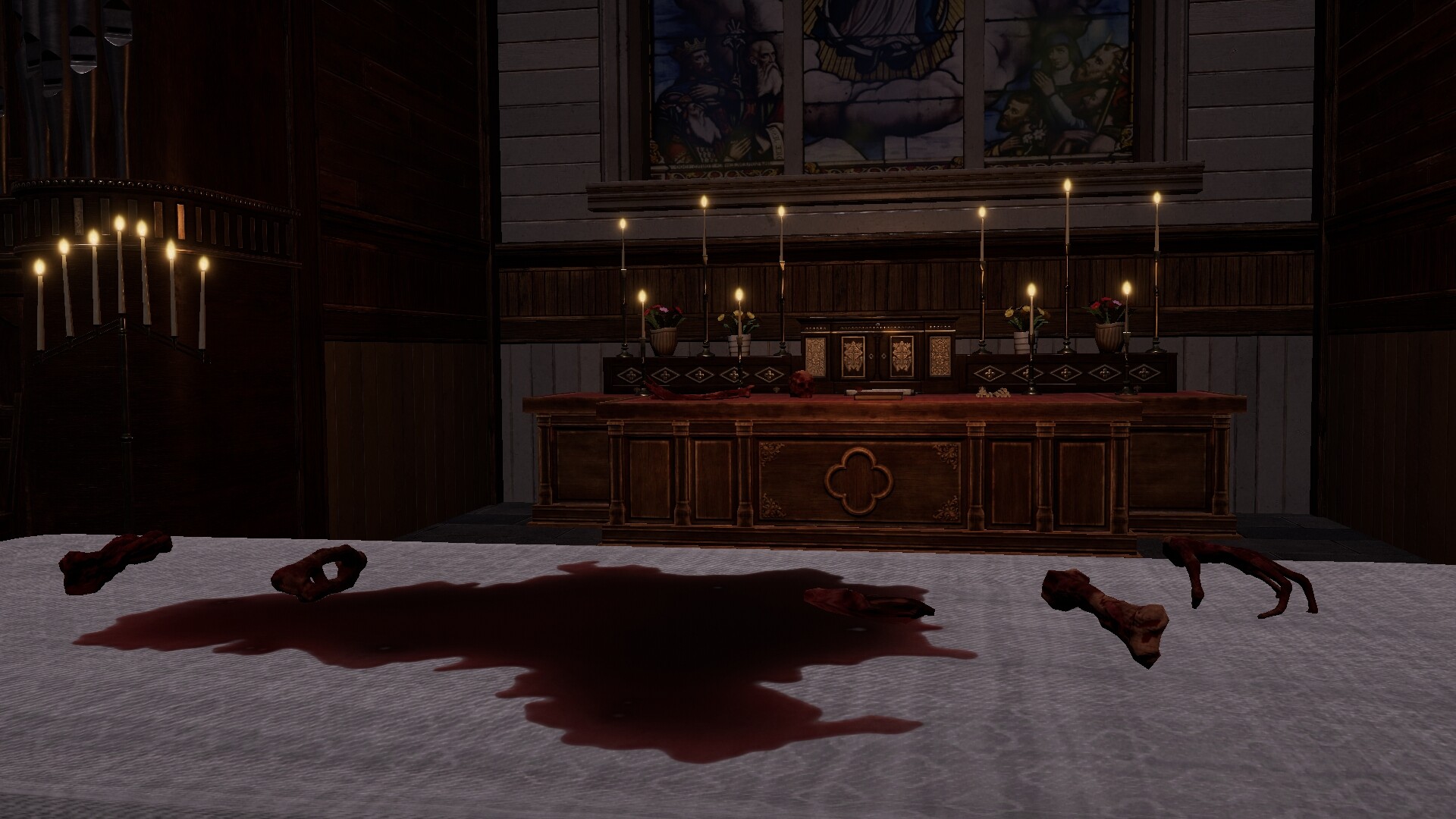
Trace of the Villa released on 28 May, 2026 and is available on Steam for PC. The Steam page lists developer and publisher as Steadyturtle Co., Ltd. and provides screenshots and a trailer thumbnail that illustrate the mansion’s interiors and the inspection-focused setup.
Why this kind of theme matters for puzzle players
Mansion mysteries lean on a compact logic: spaces become text. Object placement, missing photographs, manifests and financial traces are not decorative — they are the game’s language. For players who enjoy narrative puzzle design and psychological investigation, Trace of the Villa uses that language to make every unlocked compartment and restored terminal weighty. Because identities appear to be erased and records falsified, inference and chaining are more important than simply finding a key; you have to interpret why items were left and how fragments relate.
How progression and clue-reading work — practical inspection advice
The official description highlights several concrete systems you will encounter: restoring power to the estate, reactivating secured systems, opening hidden compartments, and accessing safes that reveal encrypted documents and transfer records. Treat each discovery as both a puzzle solution and new data: a manifest line or a suspicious transfer can change where you look next.
- Start methodically: treat rooms as evidence scenes. Note inconsistencies (what’s furnished vs what’s missing).
- Use restored systems as gating mechanics—terminals and secured devices are not just puzzles but narrative levers that reveal new locations or documents.
- Chain small reads into hypotheses: a manifest entry, an encryption fragment and a suspicious transfer together point to a route rather than a single answer.
- Expect slow-burn reveals: the mansion is engineered to unspool information in layers, so patience and cross-referencing matter more than brute-force searching.

How it compares — short editorial table
Below are lawful editorial comparisons based on genre, atmosphere and puzzle focus. This is not a claim of superiority — it’s to help you choose which design approach fits your tastes.
| Title | Genres | Atmosphere / Story Tone | Puzzle Focus | Exploration Style | Best for players who… |
|---|---|---|---|---|---|
| The Room | Adventure, Indie | Mysterious, tactile | Mechanical safes and object puzzles | Single-room/escape-room style | Like tactile, tightly focused box puzzles and eerie presentation |
| The Room Two | Adventure, Indie | Cryptic, atmospheric | Sequential mechanical puzzles | Linked rooms with escalating complexity | Prefer chained puzzle sequences with a layered reveal |
| Escape Simulator | Adventure, Casual, Indie, Simulation | Playful, interactive room setups | Physics-enabled object interaction, sandboxy puzzle solutions | Highly interactive room-scale puzzles, community rooms | Enjoy physical interaction, coop, or creative puzzle solutions |
| Hi‑Fi RUSH | Action | Beat-driven, energetic | Minimal traditional puzzle
Steam pageView Trace of the Villa on Steam YouTube discoveryFor trailer and gameplay discovery, use YouTube search rather than relying on unverified embeds: Find Trace of the Villa trailer and gameplay searches on YouTube. CommentsMore posts |
Leave a Reply