
Trace of the Villa — an inspection-first mansion mystery for clue-driven explorers
Trace of the Villa is a slow-burn, atmospheric mystery adventure about Jin’s search for his missing sister inside a remote, decaying mansion where locked doors, hidden systems, and erased identities hide a larger operation. Released on 28 May, 2026 by Steadyturtle Co., Ltd., the game asks players to read rooms, piece together manifest fragments, and follow chains of evidence rather than rely on reflex or timed inputs.

Quick facts
| Title | Trace of the Villa |
|---|---|
| Release date | 28 May, 2026 |
| Developer | Steadyturtle Co., Ltd. |
| Publisher | Steadyturtle Co., Ltd. |
| Steam AppID | 3483660 |
| Genres | Action, Adventure, Indie |
| Key categories | Single-player; Color Alternatives; Custom Volume Controls; Playable without Timed Input; Subtitle Options; Family Sharing |
| Short description | Jin has spent years searching for his missing sister, pursuing leads that took him to a remote, decaying mansion where he recovered manifests and hints that indicate his sister may still be alive, somewhere at the end of the trail he is about to follow. |
Who should wishlist Trace of the Villa?
- Players who prefer environmental storytelling and object logic: if you enjoy reading rooms for narrative clues (furniture placement, missing records, locked compartments), this game leans heavily on that skill set.
- Fans of clue-driven exploration and inspection-heavy puzzles rather than fast reflex tests or time pressure — the Steam page explicitly lists “Playable without Timed Input” and subtitle accessibility options.
- People drawn to slow-burn mansion mysteries and psychological investigation: the setup centers on a lone investigator (Jin) piecing together fragmented evidence inside a deliberately erased property.
What the game actually is
Trace of the Villa follows Jin as he investigates a property cut off from the grid where rooms appear furnished but identities are missing. According to the official Steam text, restoring power is a gameplay pivot: secured systems come back online, hidden compartments unlock, and safes yield fragments of encrypted documents and suspicious transfer records. Those fragments form the clue chains you follow to map a timeline and uncover how arrivals and departures were masked.

When and where — Steam details
Trace of the Villa launched on Steam on 28 May, 2026. It is presented on the Steam store as a single-player PC title with accessibility options such as subtitle support and the ability to play without timed inputs.
Why the theme matters: locked-room thinking and object logic
The mansion premise lets designers reward inspection. When identities are missing and records falsified, the story unfolds through details: a manifest found in a drawer, a line item in a ledger, a powered-up system revealing a new camera angle. That approach shifts the player’s primary tool from combat or platforming skill to pattern recognition and chaining small facts into a coherent timeline. For players who enjoy narrative puzzle design and environmental storytelling, that invisible scaffolding — the implicit “why” behind every object — is the core satisfaction.
How you read clues and progress
- Start small: the official description makes clear the game rewards restoring systems and opening secured storage. Early actions (power, access controls) unlock further layers of the house.
- Follow evidence chains: decrypted fragments, manifests, and transfer records are presented as pieces of a larger puzzle; progression depends on assembling those pieces into a timeline.
- Inspect thoroughly: missing photographs and erased identities are themselves clues. The game encourages methodical examination of surroundings rather than bypassing details.
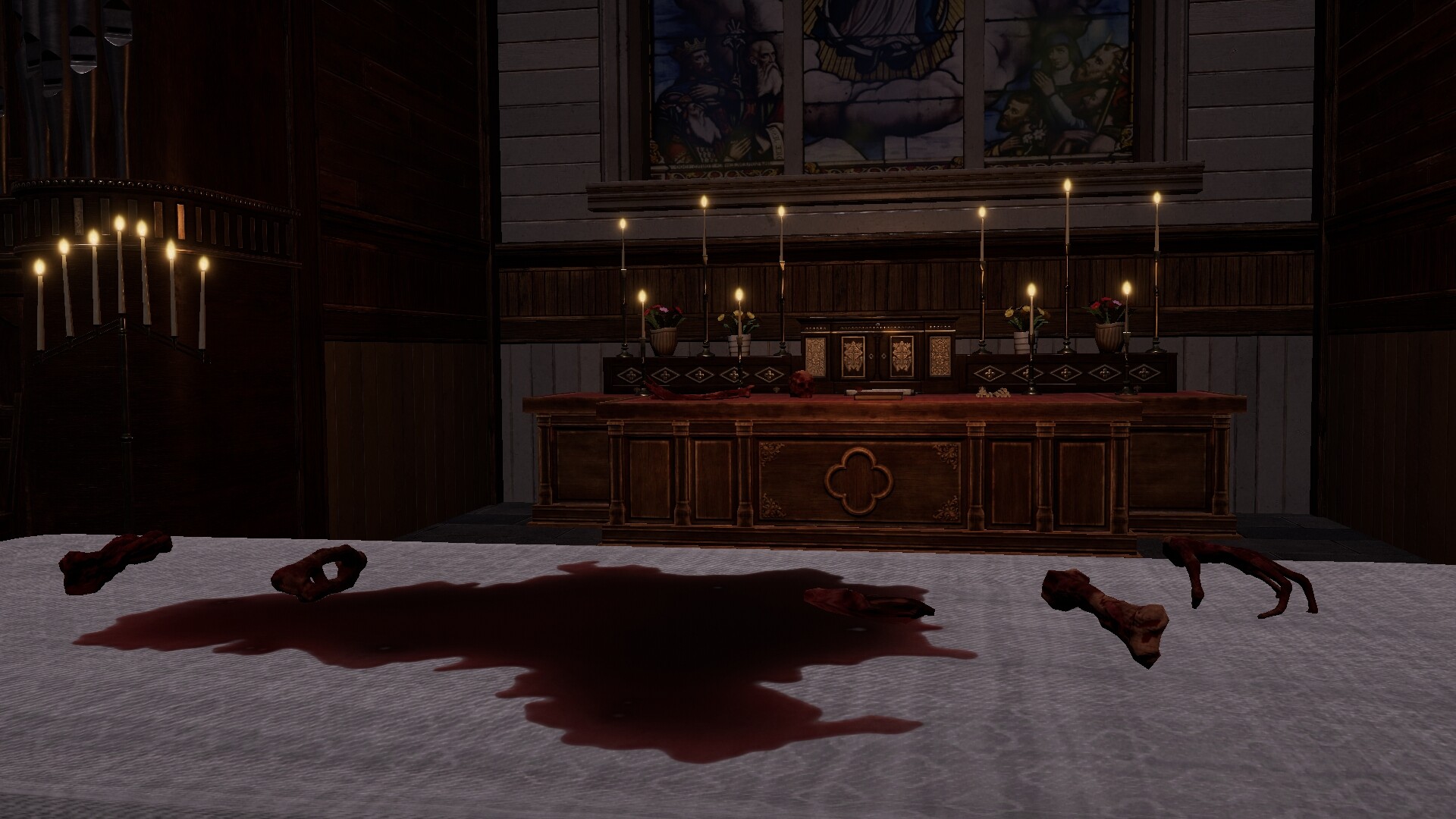
Player scenarios — who will get the most out of Trace of the Villa?
- Scenario A — The methodical detective: You like to scan every room, open every drawer, and keep notes. Trace of the Villa’s manifest fragments and safe contents are designed for slow, careful play.
- Scenario B — The environmental storyteller: You want story beats revealed through space and objects rather than long expository scenes. Expect to reconstruct events by where things are and what’s missing.
- Scenario C — The mixed-genre player: You enjoy exploration with occasional action-adventure trappings. The game is listed as Action/Adventure/Indie, but the Steam page emphasizes inspection and accessibility options like no timed input.
How it compares to nearby mystery/puzzle games
| Title | Genre / Tone | Puzzle focus | Exploration style | Best for |
|---|---|---|---|---|
| Trace of the Villa | Action, Adventure, Indie — mansion mystery, slow-burn suspense | Inspection-heavy, clue chains, object logic (manifests, encrypted fragments, hidden compartments) | Room-by-room mansion exploration; systems restored to reveal new layers | Players who want environmental storytelling and methodical evidence-gathering |
| The Room / The Room Two | Adventure, Indie — intimate, tactile puzzle boxes and cryptic artifacts | Mechanical, puzzle-box object logic; focused on single-object inspection | Contained, vignette-style locations; each area is a self-contained puzzle | Players who enjoy tactile, tightly scoped puzzle design and single-object solutions |
| Escape Simulator | Adventure, Casual, Indie — interactive escape-room environments | Highly interactive puzzles with physics, item manipulation, and community-made rooms | Room-scale escape scenarios; emphasis on interactivity and item use | Players who want high interactivity, co-op or solo escape-room mechanics and community content |
YouTube discovery
If you want to see trailer footage or gameplay clips, search YouTube for Trace of the Villa trailer or gameplay: View Trace of the Villa on Steam
YouTube discovery
For trailer and gameplay discovery, use YouTube search rather than relying on unverified embeds: Find Trace of the Villa trailer and gameplay searches on YouTube.
Leave a Reply