
Trace of the Villa — an inspection-heavy, clue-chain mystery set in a sealed mansion
Trace of the Villa places you in the shoes of Jin, a lone investigator following fractured manifests and encrypted fragments through a decaying, off-the-grid mansion. It’s an atmospheric mystery adventure where environmental reading and object logic steer progression more than timed reflexes.

Quick facts
| Title | Trace of the Villa |
|---|---|
| Steam AppID | 3483660 |
| Release date | 28 May, 2026 |
| Developer / Publisher | Steadyturtle Co., Ltd. |
| Genres | Action, Adventure, Indie |
| Notable Steam categories | Single-player, Playable without Timed Input, Subtitle Options, Color Alternatives |
| Short premise | Jin follows leads to a remote, decaying mansion where manifests and hints suggest his missing sister may still be alive. |
Who should wishlist this
Players who value methodical, inspection-heavy play — those who prefer following chained clues, restoring systems, and reading an environment as the principal storytelling tool — will get the most from Trace of the Villa. If you enjoy slow-burn suspense and puzzle sequences that reward careful observation rather than twitch reactions, this is a fit. The Steam page notes accessibility options such as playable without timed input, subtitle support, and color alternatives, underlining that the game is designed with measured, contemplative play in mind.
What the game is
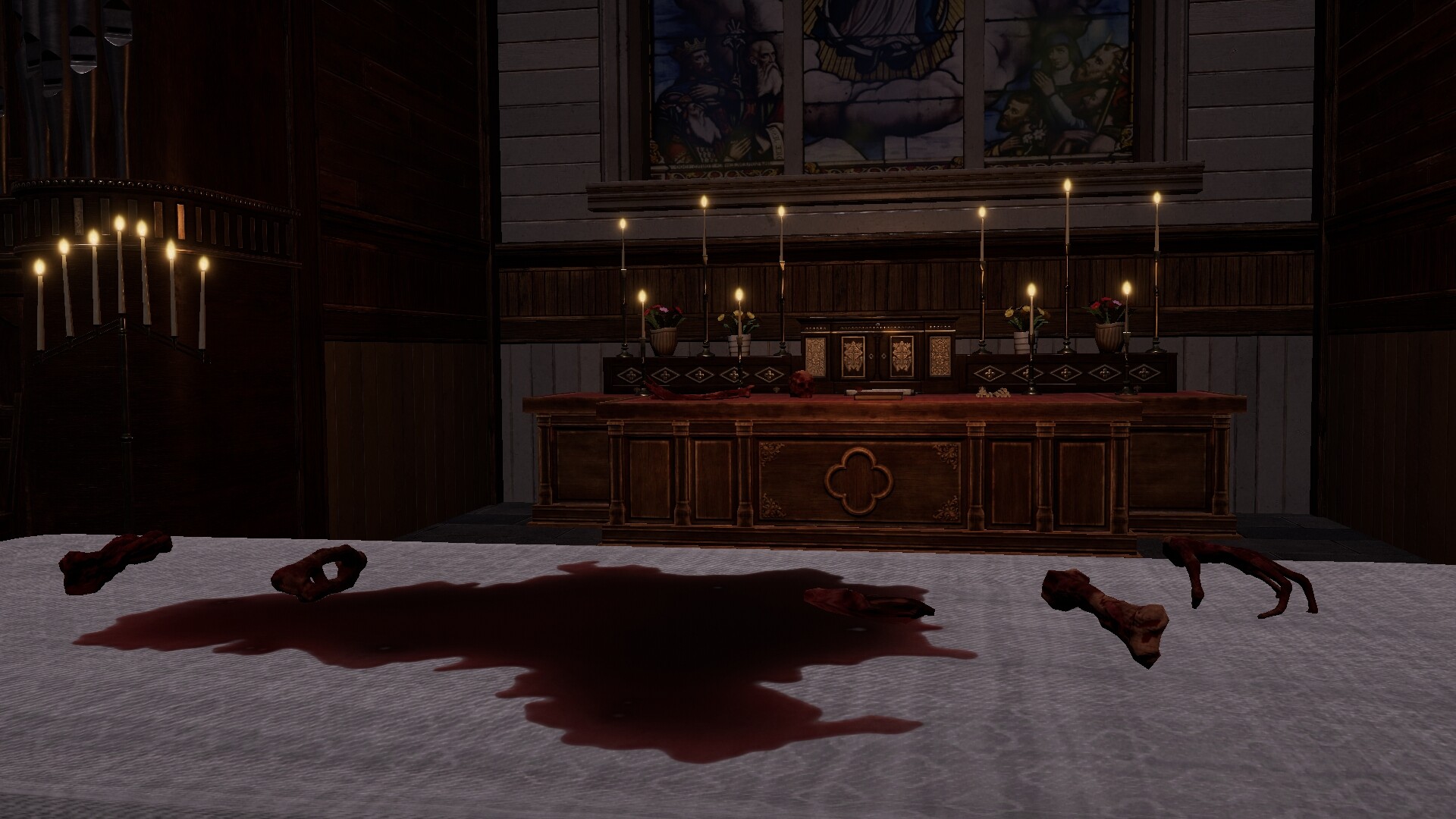
Officially described on Steam as a search for a missing sister, Trace of the Villa opens in a deliberately forgotten mansion with rooms that appear “erased” rather than simply abandoned. Jin restores power to the estate, and as secured systems come back online, hidden compartments and safes reveal fragments of encrypted documents, falsified identities, and financial traces. The setup positions the mansion as both the puzzleboard and the primary storyteller: objects, locked doors, manifests, and restored systems are the means by which narrative and clues are unspooled.

When and where
Trace of the Villa launched on Steam on 28 May, 2026. It’s published by the developer Steadyturtle Co., Ltd. and appears as a single-player PC title on the Steam store with the usual Steam storefront features (subtitles, color alternatives, and family sharing listed on the page).
Why the theme matters — object logic and erased histories
The house-as-clueboard conceit matters because it forces players to treat familiar objects as evidence. The Steam description repeatedly emphasizes erased identities and falsified records; that framing makes every mundane item potentially meaningful. For players who like environmental storytelling where inference replaces explicit exposition, the premise amplifies tension: absence becomes a puzzle mechanic. Restoring power and unlocking secured systems is also a neat design choice for pacing — it turns architectural progress into narrative progress.
How you progress: reading clues, repairing systems, and chained puzzles
According to the official description, Trace of the Villa stages progression through a combination of object inspection and system restoration. Expect to find manifests, encrypted documents, safes, and hidden compartments; solving one puzzle tends to yield tools or information that open the next area. The developer lists “Playable without Timed Input,” which signals an emphasis on careful examination over time-pressured sequences. In practice, that translates to chained clues and environmental puzzles: you read a set dressing, recover a fragment, use that fragment to unlock a safe, then decrypt a record that changes your understanding of the house.
Player scenarios — who will enjoy specific moments
- Inspection obsessive: You slow-crawl every room, cross-referencing manifests and ledger entries. The mansion’s “erased” details reward patient, exhaustive searching.
- Environmental storyteller: You connect props and lighting to form a timeline. Restoring power and watched systems that click back on make discovery feel earned and cinematic.
- Puzzle chainer: You enjoy multi-step problem chains where clues stack logically. Solving one locked compartment should reliably point to the next clue rather than relying on random search.
- Slow-burn narrative fan: You prefer atmosphere and creeping revelations over combat or fast action. The game’s categories and accessibility options point toward a contemplative single-player experience.
How Trace of the Villa compares (editorial discovery)
Below is a compact editorial comparison to help readers decide fit. The table focuses on genre, atmosphere, puzzle focus, exploration style, and pacing — not on quality judgments or sales data.
| Title | Genre / Tone | Puzzle focus | Exploration style | Suggested player fit |
|---|---|---|---|---|
| Trace of the Villa | Action / Adventure / Indie — mansion mystery, slow-burn | Inspection-heavy, chained object logic, system restoration | Single-player, room-to-room investigation, environmental reading | Players who like methodical clue-chains and atmospheric storytelling |
| The Room (series) | Adventure / Indie — tactile, puzzle-box atmosphere | Mechanical puzzle-boxes, tactile object manipulation | Focused, single-room or chained-room puzzles with heavy object interaction | Those who enjoy intricate object puzzles and tactile problem solving |
| Escape Simulator | Adventure / Simulation / Indie — interactive escape-room sandbox | Highly interactive room puzzles, physics-enabled interactions | Multiple themed rooms, community-made content, optional co-op | Players who want high interactivity, modifiable rooms, or cooperative play |
YouTube discovery
For trailers and gameplay, search results can be found here: Trace of the Villa trailer & gameplay (YouTube search). This is a discovery link rather than a verified official video reference.
Final take — fit and wishlist advice
If you prize atmospheric mystery, layered clue-chains, and puzzles that grow from careful object reading, Trace of the Villa is worth a closer look on Steam. The official premise — Jin restoring power and uncovering falsified identities, encrypted fragments, and secured systems — signals a game that leans on environmental storytelling and methodical puzzle sequencing. Add it to your wishlist if you want a solitary, inspection-driven detective experience in a sealed mansion.
Disclaimer
Referenced titles and trademarks belong to their respective owners. Comparisons here are editorial discovery only, using publicly available Steam descriptions and topic research data.
Leave a Reply