
Trace of the Villa — a mansion-sized puzzle of objects, power, and provenance
Trace of the Villa places players alone in a weathered mansion, where restoring power and reading the environment are the primary means of progress. The game asks you to inspect, connect clue chains and treat ordinary objects as evidence rather than decoration.

Quick facts
| Title | Trace of the Villa |
|---|---|
| Steam app ID | 3483660 |
| Release date | 28 May, 2026 |
| Developer / Publisher | Steadyturtle Co., Ltd. |
| Genres | Action, Adventure, Indie |
| Key Steam categories | Single-player; Color Alternatives; Custom Volume Controls; Playable without Timed Input; Subtitle Options; Family Sharing |
| Short premise | Jin searches a decaying, off-grid mansion for clues suggesting his missing sister may still be alive. |
Who this is for
This is a title aimed at players who enjoy methodical, inspection-heavy mystery: those who prefer thinking inside a locked environment, following clue chains across rooms, and interpreting what objects and infrastructure reveal about offstage events. The “Playable without Timed Input” and subtitle options in the Steam listing signal the designers expect players to take a careful, uninterrupted approach rather than fast reflex play.
What the game is (from the Steam page)
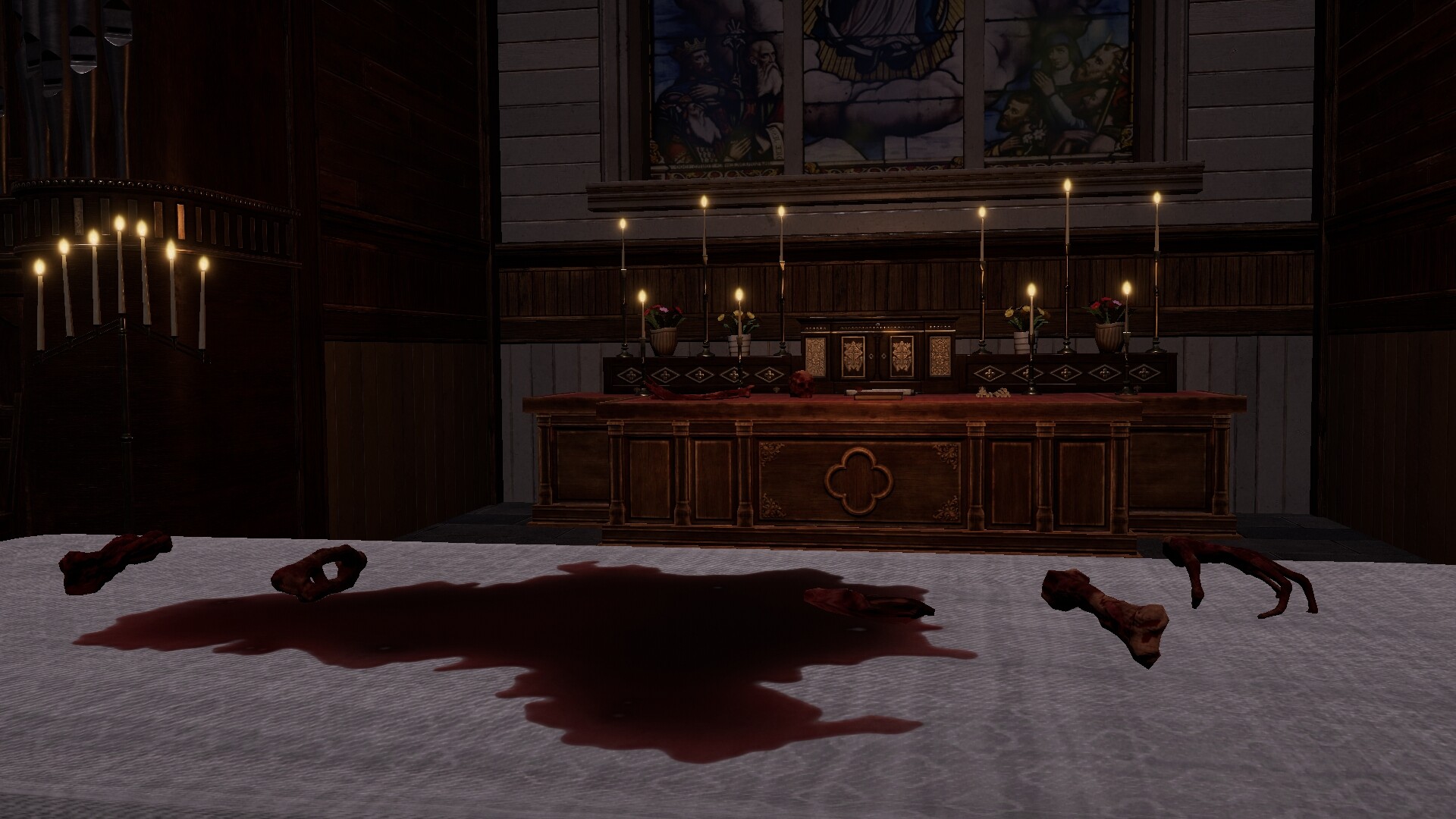
According to the official Steam copy, Trace of the Villa follows Jin, who has spent years searching for his missing sister and arrives at a remote, decaying mansion after a lead. Rooms appear furnished but erased of personal identifiers; the house feels “less abandoned than erased.” When Jin restores power, secured systems reactivate, revealing hidden compartments, safes, fragments of encrypted documents and suspicious transfer records. The game frames a chain of discoveries that imply the property was part of a larger, concealed operation rather than a simple home.
When and where
Trace of the Villa released on 28 May, 2026 and is available on Steam for PC. If you want to visit the store page directly, use the official Steam link below.
View Trace of the Villa on Steam
Why the theme matters: locked-room thinking and environmental reading
Locked-room mystery design rewards attention to object logic: a teacup on a table, a scorched fuse box, or an odd missing ledger all become narrative evidence. Trace of the Villa foregrounds that approach—power restoration and system reactivation are explicit mechanics that convert the architecture itself into puzzle scaffolding. For players who enjoy environmental storytelling and psychological investigation, the house-as-dossier concept turns navigation into forensics: every switch and unlocked compartment can change your understanding of who passed through and why.
How progression works — object logic and clue chains
The Steam description outlines concrete systems that shape progression. Restoring power brings secured systems back online; hidden compartments and safes produce encrypted fragments and transfer records. That sequence implies a puzzle loop driven by inspection: discover an actionable object, use it to restore or access infrastructure, then read the newly revealed items to direct the next search. Because timed input is explicitly not required, the design prioritizes meticulous inventory and scene reading over twitch skill.

Player scenarios — who should wishlist this
- The slow-burn investigator: You prefer piecing a narrative from objects and documents, and you don’t want timers or reflex tests interfering with careful deduction.
- The environmental storyteller: You enjoy games where the setting carries the plot—rooms arranged like fragments of a life and infrastructure that, when reactivated, rewrite the scene.
- The puzzle realist: You like puzzles that rely on object logic and chained reveals (safes that open new texts, systems that unlock further areas) rather than arbitrary answer-key puzzles.
How it compares to nearby mystery/puzzle games
The following comparison focuses on puzzle focus, exploration style, story tone, and pacing—editorial discovery to help match player preference, not performance claims.
| Title | Puzzle focus | Exploration style | Story tone | Pacing |
|---|---|---|---|---|
| Trace of the Villa | Object logic, system reactivation, clue chains (safes, encrypted documents) | Single-player, mansion-scale environmental reading | Psychological investigation; erased identities and concealed operations | Deliberate, inspection-heavy (no required timed input) |
| The Room | Mechanical safes and tactile puzzle boxes | Contained, focused puzzle chamber | Mysterious, intimate atmosphere | Careful, puzzle-box cadence |
| The Room Two | Complex mechanical puzzles across varied set pieces | Linear transitions between distinct puzzle environments | Cryptic and atmospheric | Measured, puzzle-led progression |
| Escape Simulator | Highly interactive object manipulation; community-made rooms | Room-to-room escape design; supports co-op | Varied by room — can be playful to tense | Variable; some rooms are short and frantic, others deliberate |
Practical notes from the Steam listing
- Developer / Publisher: Steadyturtle Co., Ltd.
- Genres: Action, Adventure, Indie
- Categories include Single-player, Color Alternatives, Custom Volume Controls, Playable without Timed Input, Subtitle Options, Family Sharing
- Release date: 28 May, 2026
YouTube discovery
If you want to see trailers or gameplay footage, search for Trace of the Villa trailers and gameplay on YouTube: YouTube search: Trace of the Villa trailer gameplay. (Use the search link as a discovery path — a specific official video is not claimed here.)
Open Trace of the Villa on Steam
Referenced titles and trademarks are the property of their respective owners. Comparisons above are editorial discovery only and not endorsements or claims of superiority.
Leave a Reply