
Trace of the Villa — reading a locked mansion like an evidence board
Trace of the Villa is an atmospheric mystery adventure about Jin, a man following leads to a remote, decaying mansion that may hold clues to his missing sister. The game uses environmental reading and chained clues — manifests, safes and restored systems — to turn a ruined estate into a slowly unfolding investigation.

Quick facts
| Title | Trace of the Villa |
|---|---|
| Steam appid | 3483660 |
| Release date | 28 May, 2026 |
| Developer | Steadyturtle Co., Ltd. |
| Publisher | Steadyturtle Co., Ltd. |
| Genres | Action · Adventure · Indie |
| Categories / features | Single-player; Color Alternatives; Custom Volume Controls; Playable without Timed Input; Subtitle Options; Family Sharing |
What the game actually is
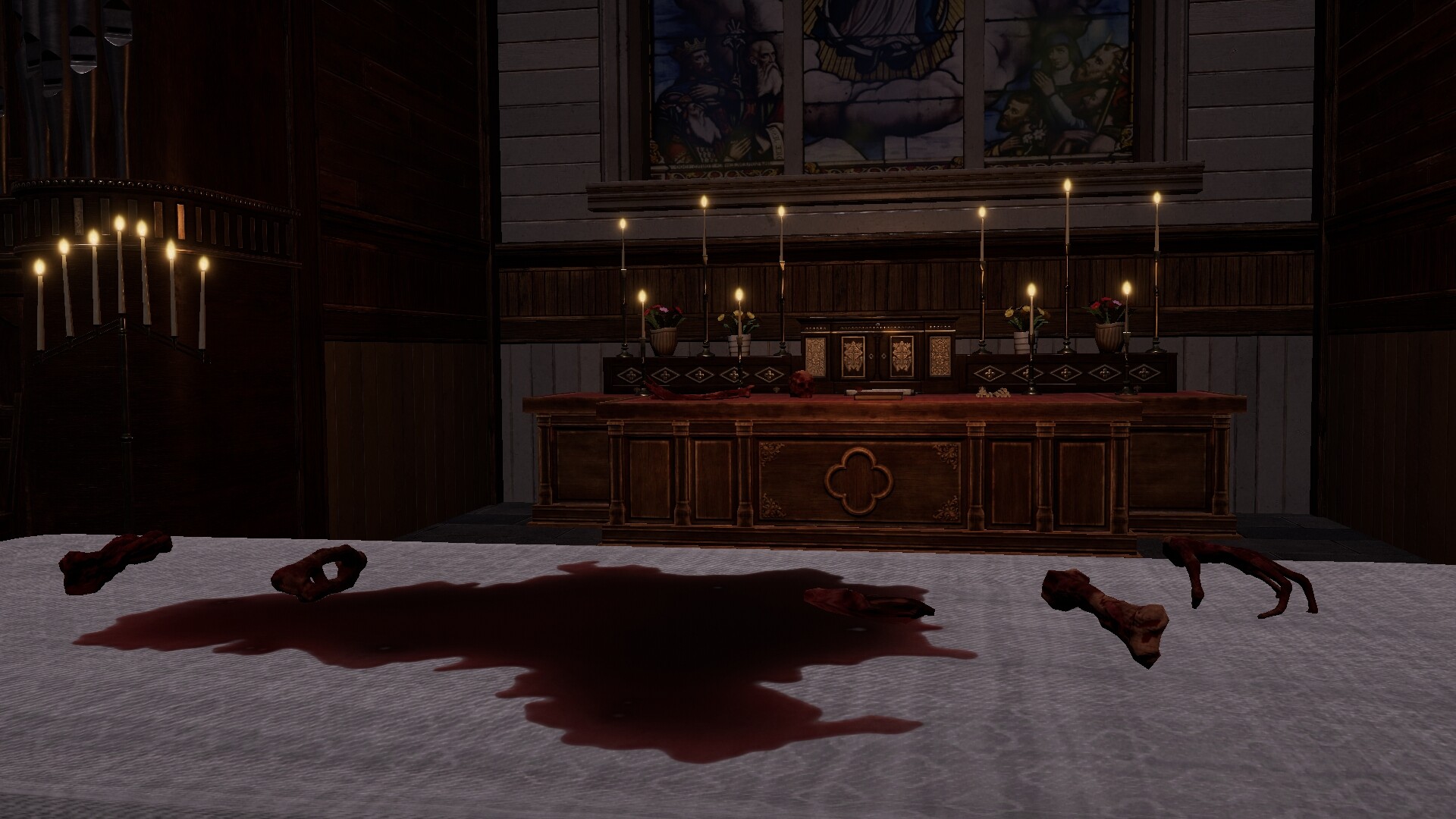
Based on the official Steam listing, Trace of the Villa puts you in Jin’s shoes: a long search for a missing sister has led to a mansion “cut off from the grid and deliberately forgotten.” The estate’s rooms feel as if occupants vanished mid‑routine, and restoring power is the trigger for the building to reveal secured systems, safes and fragments of encrypted documents. The narrative emphasis is on reading the environment and following chained clues — financial trails, falsified identities and suspicious transfer records — rather than on overt combat or arcade action.
When and where
Trace of the Villa released on Steam on 28 May, 2026. It is listed on Steam as a PC title from Steadyturtle Co., Ltd., and the store page highlights single‑player play and accessibility options such as subtitle support and color alternatives.
Why the mansion, why the systems matter
The core conceit — a home that behaves like a secured facility once power returns — reframes typical locked‑room puzzles into systems puzzles. Rather than isolated mechanical puzzles, the estate’s infrastructure (power, locked systems, safes, and documents) functions as a puzzle hierarchy: restoring one subsystem unlocks another set of clues. That structure rewards observation, patience and building a timeline from disparate fragments, which will appeal to players who enjoy environmental storytelling and slow‑burn suspense.
How progression reads like forensic work
The Steam description emphasizes specific, verifiable mechanics of discovery: Jin recovers manifests and hints; when power is restored, secured systems come back online; safes and hidden compartments yield fragments of encrypted documents and suspicious transfer records. Taken together, that language signals a clue‑chain progression model:
- Find physical evidence (manifests, belongings) left around rooms.
- Restore systems or power to reactivate locked electronics and reveal new interactions.
- Open safes and containers to collect encrypted documents and transaction traces.
- Assemble a timeline and linkage of identities and transfers to follow leads deeper into the mystery.
This is less a sequence of stand‑alone puzzles and more an investigation where each solved element yields context for the next — ideal for players who like to map connections and treat an environment like a case file.

Who should wishlist this
Wishlist Trace of the Villa if you prefer: methodical mystery games driven by reading objects and records; investigations that reward connecting administrative traces (manifests, transfers, encrypted documents) rather than rapid reflex puzzles; atmospheric, slow‑building tension in a single‑player adventure. The Steam page’s accessibility flags (subtitles, color alternatives, no timed input required) make it a sensible fit for players who value a paced, readable investigation.
Player scenarios — where this shines
- The forensic player: You treat environments like evidence boards. If you enjoy lining up dates, invoices and unlocked logs to reconstruct a timeline, this is likely to reward your style.
- The atmospheric explorer: You want a slow, tense read of a ruined property where power and systems are plot devices that unlock narrative beats.
- The puzzle‑story hybrid fan: You like puzzles that are motivated by story — safes and systems exist to gate narrative revelations rather than to be arbitrary tests of dexterity.
How it compares (editorial discovery)
Below is a concise editorial comparison focusing on genre, atmosphere, puzzle focus, exploration style, story tone and pacing. These comparisons are for reader decision‑making — they do not imply endorsement or official connection.
| Game | Core focus | Puzzle style | Exploration & tone | Notable release |
|---|---|---|---|---|
| The Room | Mystery puzzle box | Mechanical, tactile safes and assemblies | Closed‑space, tactile, occult feel | 28 Jul, 2014 |
| The Room Two | Extended puzzle box puzzles | Layered mechanical puzzles with logical chaining | Cryptic, elaborated set pieces | 5 Jul, 2016 |
| Escape Simulator | Highly interactive escape rooms (solo or co‑op) | Object interaction with physics and multi‑step solves | Room‑scale, puzzle variety, community rooms | 19 Oct, 2021 |
| Trace of the Villa | Investigation through mansion systems and documents | Clue chains, system restoration, safes and encrypted documents | Slow‑burn, atmospheric mansion mystery with narrative investigation | 28 May, 2026 |
YouTube discovery
If you want trailers or gameplay clips, search for Trace of the Villa on YouTube: Trace of the Villa trailer & gameplay search. The search is provided as a discovery path; the Steam data does not verify a single specific official video URL.
Decision checklist
Before you wishlist, answer these quickly:
- Do you enjoy reconstructing timelines from documents and transaction traces? If yes, this fits.
- Do you want open action or co‑op escape rooms? If yes, Trace of the Villa is single‑player and more investigation‑heavy.
- Do you prefer puzzles gated by systems and power restoration rather than standalone box puzzles? If yes, this is aligned with that design.
Ready to learn more or wishlist on Steam? Visit the store page:
Leave a Reply