
Trace of the Villa — an atmospheric, clue-driven mansion mystery on Steam
Trace of the Villa drops you into a decaying, off-grid mansion as Jin, a protagonist searching for his missing sister. The game frames investigation around restoring power and unlocking sealed systems so environmental reading and chained clues reveal a concealed operation and fragmented documents.

Who this is for
If you prefer slow-burn suspense and environmental storytelling where evidence builds into a timeline, Trace of the Villa is aimed at players who enjoy methodical mystery investigation rather than run-and-gun action. The Steam page lists the game as Action / Adventure / Indie and as a Single-player experience with accessibility options (Color Alternatives, Custom Volume Controls, Subtitle Options) and a design that is Playable without Timed Input—features that suit focused puzzle readers and narrative-first players.
What the game is
Trace of the Villa (developer/publisher: Steadyturtle Co., Ltd.) places Jin in a remote, deliberately forgotten mansion after years searching for his sister. The official premise describes recovered manifests and hints that suggest she may still be alive. Rooms look as if their occupants vanished mid-routine; locked doors and secured systems hide layers of evidence including safes, encrypted documents, and suspicious transfer records.
When and where
Trace of the Villa was released on 28 May, 2026 and appears on Steam for PC (store appid 3483660). The Steam store page and visual assets are available from the developer-published listing.
Why the thematic focus matters
Locked-room thinking, chained clues, and environmental reading are central here because the narrative is constructed around restoration and revelation: when Jin restores power, secured systems come back online and previously inaccessible information becomes tangible. That structure rewards patient players who trace small in-world details—manifests, transfer records, and fragmented documents—into larger patterns about identity, movement, and control.
How you progress — mechanics implied by the official premise
- Restoration as a driver: restoring power to estate systems is explicitly described as a turning point—bringing systems online triggers hidden compartments and sealed elements.
- Evidence chaining: safes and secured systems yield fragments of encrypted documents and transfer records; those fragments form the investigative threads that link scenes and timelines.
- Environmental reading: rooms furnished as if people vanished mid-routine, missing photographs and names, and manifests are all narrative props that invite deduction rather than brute-force solutions.
- Locked-room mentality: many puzzles are positioned as locked or concealed until the player reactivates systems or deciphers records, so thinking like a detective—tracking provenance, sequence, and motive—fits the design described on the Steam page.

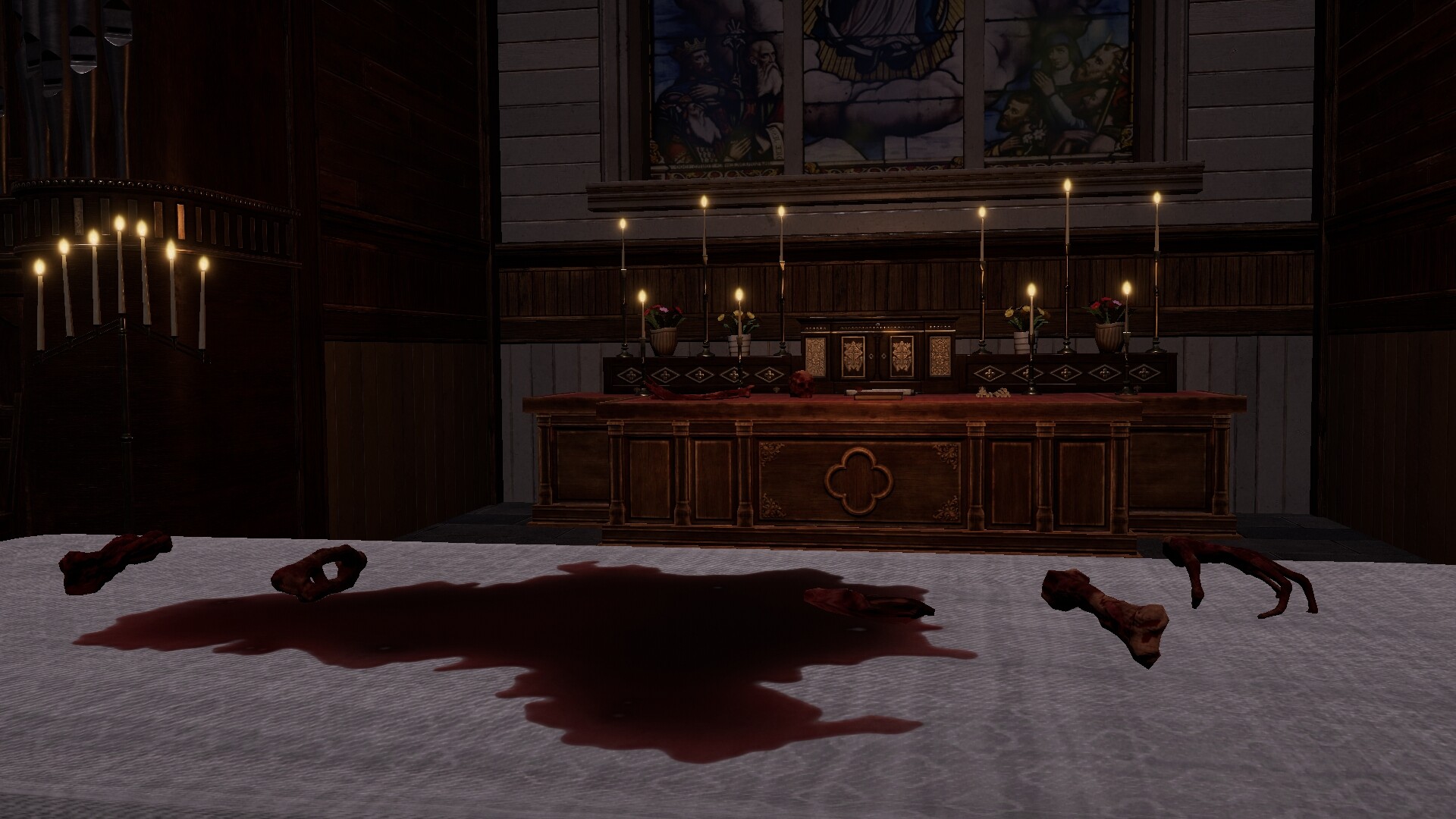
Compact facts — Trace of the Villa
| Title | Trace of the Villa |
|---|---|
| Steam appid | 3483660 |
| Release date | 28 May, 2026 |
| Developer / Publisher | Steadyturtle Co., Ltd. |
| Genres | Action, Adventure, Indie |
| Key categories | Single-player · Color Alternatives · Custom Volume Controls · Playable without Timed Input · Subtitle Options · Family Sharing |
| Premise (short) | Jin searches a remote, decaying mansion for his missing sister; restored power reveals sealed systems, safes, and encrypted documents suggesting a larger, concealed operation. |
How Trace of the Villa compares to a few neighbouring titles
Below is a focused editorial comparison on lawful criteria—genre, atmosphere, puzzle focus, exploration style, pacing, and player fit—to help decide whether Trace of the Villa matches your tastes.
| Title | Genre / Vibe | Puzzle focus | Exploration style | Pacing | Player fit |
|---|---|---|---|---|---|
| Trace of the Villa | Action / Adventure / Indie — mansion mystery, investigative tone | Clue chains, locked systems, safes, encrypted documents | Linear to semi-open mansion exploration, environmental reading emphasized | Slow-burn, methodical investigation | Players who prefer narrative puzzle design, forensic reading, and atmosphere |
| The Room | Adventure / Indie — isolated, tactile puzzle box atmosphere | Mechanical safes and intricate puzzle objects | Single-room to multi-chamber object-focused exploration | Measured, puzzle-centric | Players who like focused, object-based puzzles and tactile mystery |
| The Room Two | Adventure / Indie — cryptic, atmospheric continuation of object puzzles | Complex puzzle contraptions and multi-stage mechanisms | Sequential environments with escalating puzzle complexity | Slow and deliberate | Fans of layered mechanical puzzles and moody presentation |
| Escape Simulator | Adventure / Casual / Indie — interactive escape-room design | Environmental interactions, object manipulation, community rooms | Highly interactive rooms with sandbox elements; solo or co-op | Varies widely by room; can be fast or puzzle-dense | Players who want hands-on item interaction and custom rooms |
| Hi‑Fi RUSH | Action — rhythmic action-adventure, upbeat tone | Combat and timing-focused challenges rather than investigative puzzles | Linear action environments with spectacle | Fast-paced and kinetic | Players seeking action and rhythm-driven engagement, not locked-room investigation |
| Football Manager 2022 | Simulation / Sports — management simulation, analytical tone | Data-driven decision-making, not environmental puzzles | Menu and simulation-driven exploration of systems | Long-form, strategic pacing | Players who enjoy systems and long-term planning rather than narrative mystery |
Specific player scenarios
- You like slow, forensic unravelling: If you enjoy tracing patterns from small artifacts to systemic revelations, the mansion’s restored systems and fragmented documents align with that approach.
- You prefer tactile puzzle boxes: The Room series is closer to object-based contraptions; Trace of the Villa leans more on environmental records and systems coming back online.
- You want co-op or community rooms: Escape Simulator focuses on interactive rooms and community content; Trace of the Villa is single-player and story-driven.
- You want fast action and spectacle: Hi‑Fi RUSH emphasizes rhythm and combat; Trace of the Villa emphasizes atmosphere and investigation instead.
- You like system-driven long-form play: Football Manager and Trace of the Villa both reward pattern recognition, but one is sports simulation and the other is narrative mystery—different kinds of systems to read.Steam page
View Trace of the Villa on Steam
YouTube discovery
For trailer and gameplay discovery, use YouTube search rather than relying on unverified embeds: Find Trace of the Villa trailer and gameplay searches on YouTube.
Leave a Reply