
Trace of the Villa: Where locked-room thinking meets power, systems, safes and documents
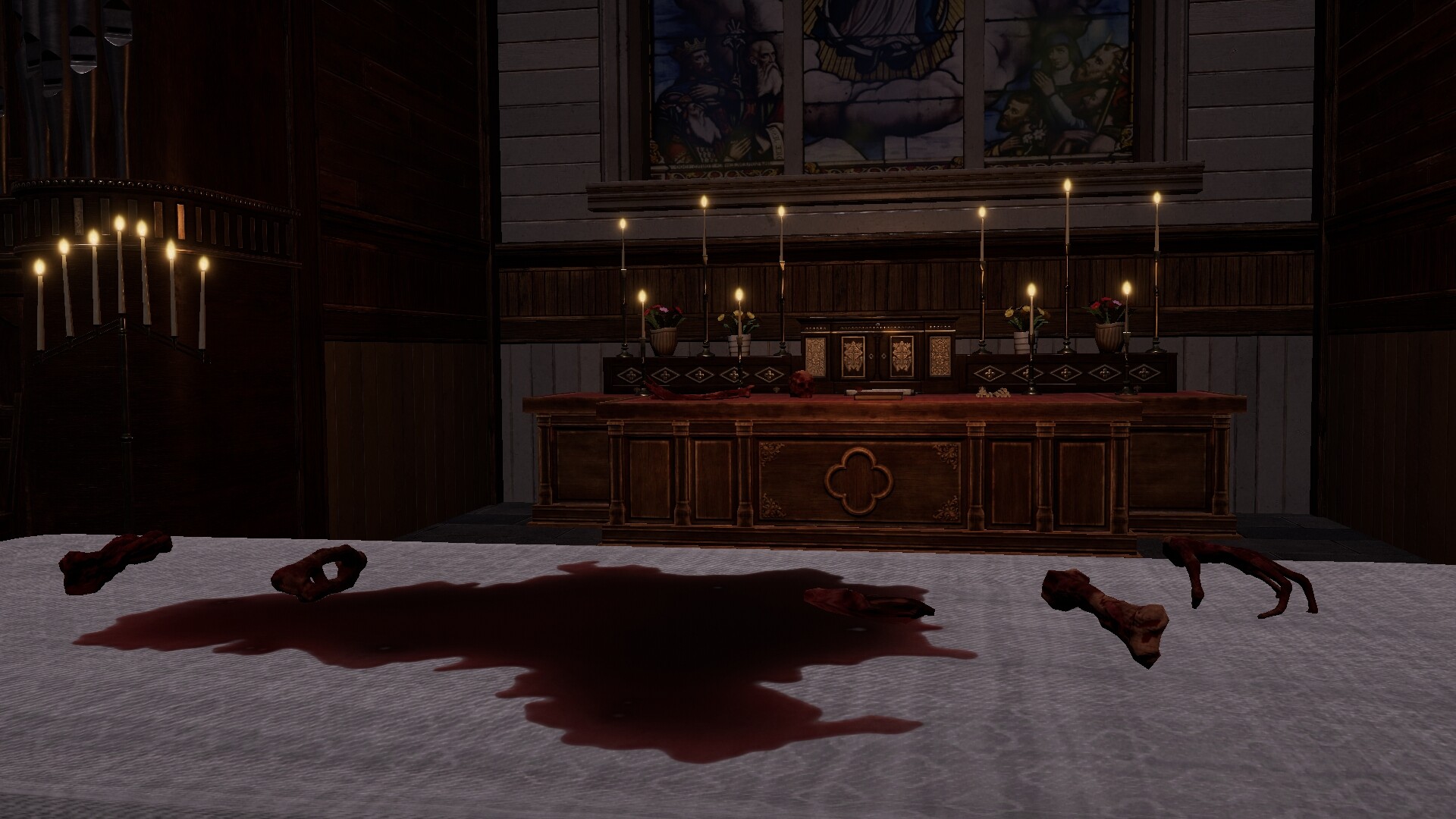
Steadyturtle’s Trace of the Villa (released 28 May, 2026) casts you as Jin, a man who follows a cold lead to an off-grid mansion and begins restoring power that in turn resurrects sealed systems, safes and fragments of a buried operation. The official premise makes the game’s central mechanics—reestablishing power, unlocking secured systems, and assembling documents—front and center for anyone who enjoys clue-driven, environmental mystery adventures.

Who this is for
If you prefer slow-burn suspense, environmental storytelling and puzzles that arise from systems rather than standalone riddles, Trace of the Villa is aimed at you. The Steam metadata lists the game under Action, Adventure and Indie and flags single-player, subtitle options and accessibility touches like playable without timed input—signals that the experience targets solitary, narrative-minded PC players who value reading scenes and chaining clues over twitch reactions.
What the game is
The Steam official description frames Trace of the Villa as a mansion mystery where Jin’s search for his missing sister leads to a property “cut off from the grid.” Restoring the estate’s power is explicitly part of the story: when Jin brings systems back online, “secured systems come back online. Hidden compartments unlock. Safes yield fragments of encrypted documents and suspicious transfer records.” The game promises a chain of discoveries that ties environmental detail to a broader, falsified-identity operation.
When and where
Trace of the Villa launched on Steam on 28 May, 2026. The Steam page lists Steadyturtle Co., Ltd. as both developer and publisher and marks the title with Steam-friendly categories such as Single-player, Color Alternatives, Custom Volume Controls, Playable without Timed Input, Subtitle Options and Family Sharing.
Why the theme matters — power as puzzle, systems as clues
Locked-room and escape-room thinking work well when the environment behaves like a machine you must understand and react to. In Trace of the Villa, the act of restoring power is not just a set-piece; it’s a designer tool that transforms static scenery into an information source. Systems coming back online can change what is searchable, illuminate hidden wiring or logs, and allow safes and encrypted records to be accessed in sequence—encouraging players to form clue chains rather than solve isolated intellectual exercises.
How you progress: reading the house, not just solving puzzles
The official text emphasizes three concrete mechanics as narrative levers: power restoration, secured systems reviving, and safes/documents yielding fragments. Together they form a reliable gameplay loop for environmental reading:
- Restore basic systems (lighting, circuitry) so previously invisible evidence becomes readable.
- Use system access to open conduits to locked compartments—digital or mechanical—that contain safes or encrypted files.
- Collect fragmented documents and manifests; follow financial or identity traces across rooms to connect arrivals and departures.
That sequence—power → systems → safes/documents—encourages methodical note-taking and hypothesis-testing, a hallmark of locked-room mystery design focused on clue chains rather than one-off puzzle solutions.

Player scenarios — who should wishlist
Concrete reading of the official premise helps you decide quickly:
- Scenario A — You like methodical investigation: You appreciate detective-style note-linking and will enjoy the game’s document-fragment mechanics and hardware/system-behavior revelations.
- Scenario B — You favor atmospheric exploration with intermittent action: The listing’s Action/Adventure tag suggests pacing that can blend exploration with moments where restored systems change what the house can do.
- Scenario C — You want accessible puzzle pacing: Built-in categories such as Playable without Timed Input and Subtitle Options indicate the team considered player comfort and readable pacing over twitchy, time-pressured mechanics.
Compact facts — Trace of the Villa
| Title | Trace of the Villa |
|---|---|
| Steam AppID | 3483660 |
| Release date | 28 May, 2026 |
| Developer | Steadyturtle Co., Ltd. |
| Publisher | Steadyturtle Co., Ltd. |
| Genres | Action, Adventure, Indie |
| Key categories | Single-player; Color Alternatives; Custom Volume Controls; Playable without Timed Input; Subtitle Options; Family Sharing |
| Short premise | Jin searches a remote, decaying mansion; restoring power reactivates systems, revealing safes, encrypted documents and a hidden operation that may link to his missing sister. |
Quick comparison: where Trace of the Villa sits among similar mystery and puzzle fare
| Title | Primary focus | Atmosphere / pacing | Puzzle & exploration style | Good fit for |
|---|---|---|---|---|
| Trace of the Villa | Investigation via power/systems/safes/documents | Slow-burn mansion mystery (narrative driven) | Systemic progression: restore systems to access safes and docs | Players who like environmental storytelling and chained clue discovery |
| The Room | Mechanical safes and tactile puzzle boxes | Claustrophobic, single-room tension | Focused, object-based puzzles with layered mechanics | Players who enjoy intricate mechanical puzzles and handcrafted boxes |
| The Room Two | Expanded locales with similar mechanical puzzle focus | Atmospheric and cryptic; exploratory between puzzle nodes | Puzzle-box style with more location variety than the first title | Those who liked
Steam pageView Trace of the Villa on Steam YouTube discoveryFor trailer and gameplay discovery, use YouTube search rather than relying on unverified embeds: Find Trace of the Villa trailer and gameplay searches on YouTube. CommentsMore posts |
Leave a Reply