
Trace of the Villa — a slow-burn mansion mystery built around locked systems, safes, and fragmented documents
Jin arrives at a remote, decaying mansion with one lead and a single hope: that restoring the estate’s power will reveal the trail to his missing sister. Released on 28 May, 2026 and developed/published by Steadyturtle Co., Ltd., Trace of the Villa stages its mystery through shut systems, secured safes and encrypted paperwork that only yield meaning when you read the house as evidence.

Who is this for?
If you prefer atmospheric mystery adventure and narrative puzzle design over action-heavy spectacle, Trace of the Villa targets players who enjoy methodical, clue-driven exploration. This is for people who like environmental storytelling — reading a room to reconstruct events — and those who find tension in the mechanics of locked systems: restoring power, booting secured terminals, and opening safes to assemble a timeline.
What the game is
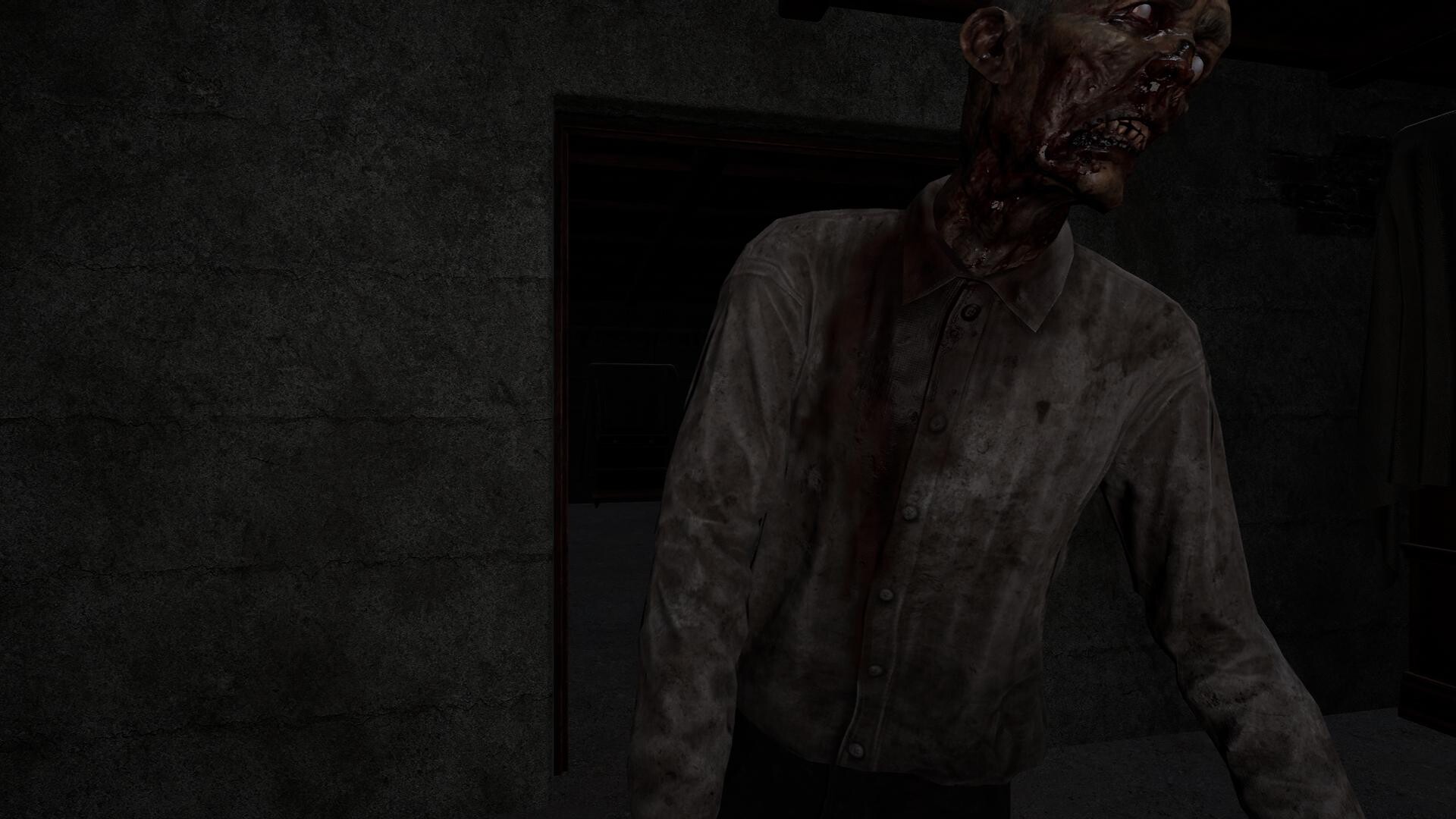
Trace of the Villa is an action-adjacent adventure/indie title on Steam where the protagonist Jin follows manifests and hints inside an isolated mansion. The official Steam description frames the experience around: restoring power to reveal hidden compartments; secured systems coming back online; safes producing fragments of encrypted documents and suspicious transfer records. The estate is presented less as a home and more as a controlled operation with falsified identities and erased records.
When and where
Trace of the Villa launched on Steam on 28 May, 2026. It appears on Steam’s store page under its official listing and supports common accessibility and quality-of-life options listed on the store (see facts table below).
Why the theme matters
The core conceit — an estate deliberately cut off from the grid and effectively “erased” — lets the game make locked-room thinking a narrative engine rather than a contrived gimmick. Power, systems, safes, and documents aren’t just puzzle objects; they’re forensic sources. Restoring electricity becomes an investigative act: lights reveal hidden writing, terminals produce logs that contradict manifests, and safes expose financial traces that reshape the timeline. For players who enjoy piecing together motive and logistics from physical evidence, that makes the theme resonant.
How you progress: reading systems and chaining clues
Progression in Trace of the Villa is described in procedural, layered steps that emphasize causational clue chains rather than random item collection. Key mechanics from the official description you should expect:
- Restoring power: flipping the estate back on brings previously locked systems to life, unlocking new investigative avenues.
- Secured systems and hidden compartments: electronic and mechanical locks hide additional clues until you apply the correct sequence or find the activation point.
- Safes and encrypted documents: safes yield fragments and encrypted records that require you to assemble partial evidence into coherent narratives (financial trails, falsified identities, suspicious transfers).
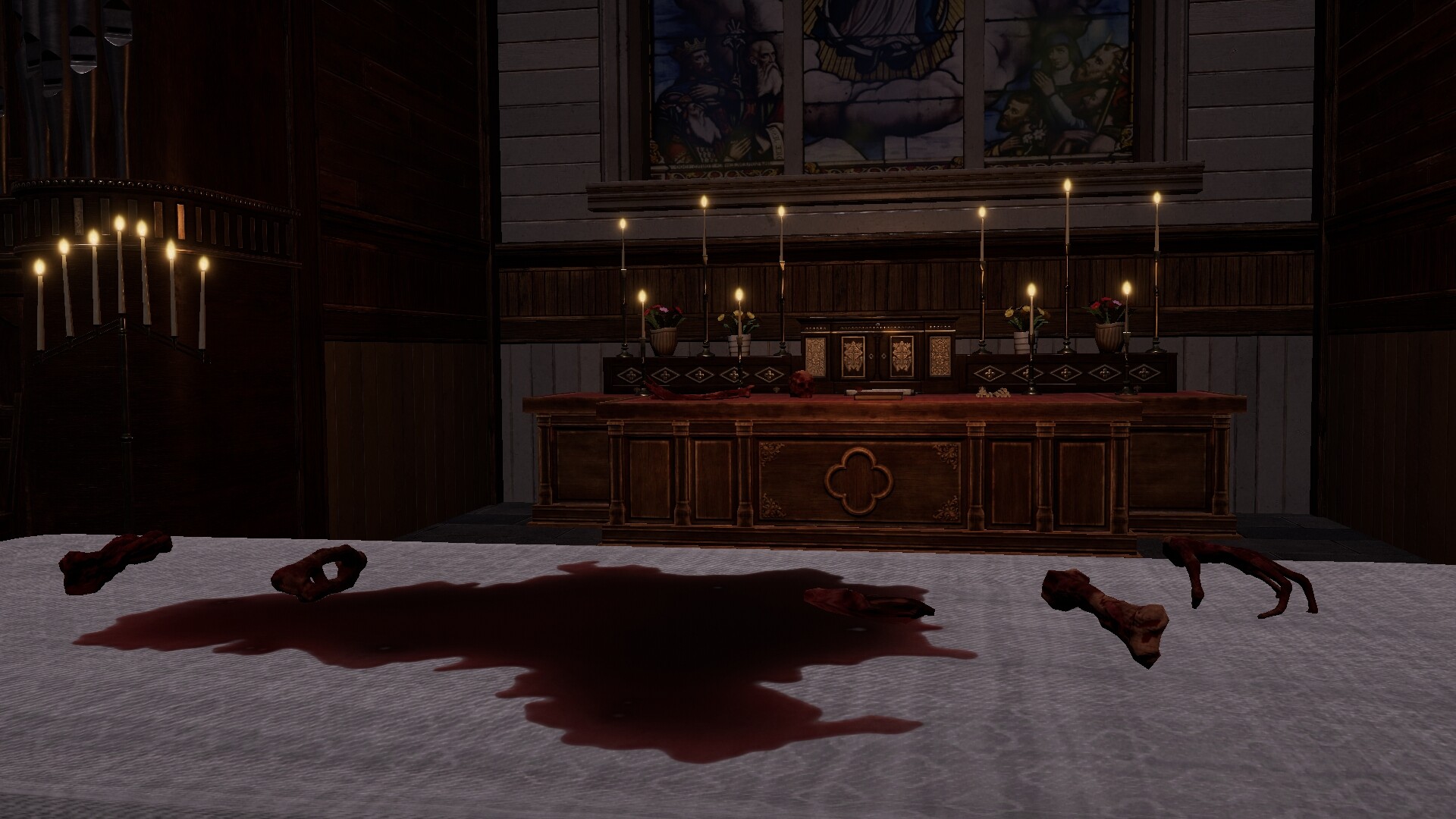
- Environmental reading: rooms furnished as if occupants vanished mid-routine force you to infer timelines and behavioural patterns from props rather than explicit labels or photographs.
That combination points to puzzle design built around chain reactions: one unlocked system reveals a document that reframes a previously found object, which in turn opens a new lock or log entry. Expect slow-burn revelation rather than fast action sequences.
Player scenarios — who will enjoy Trace of the Villa?
- Single-player investigators: You enjoy solitary, methodical investigation and reconstructing events from environmental clues. The game’s Single-player focus and absence of timed inputs (per store categories) supports careful reading over pressure-based play.
- Story-first explorers: You want the story to emerge via found documents, logs and financial records rather than cutscenes or explicit narration.
- Puzzle players who like systems: If you prefer puzzles tied to in-game systems (power, terminals, mechanical safes) instead of purely logic-riddle puzzles, the mechanics emphasize system interactions and their consequences.
- Accessibility-minded players: The Steam listing includes options such as color alternatives, custom volume controls and subtitles, which help tailor the experience to varied needs.
Compact facts — Trace of the Villa
| Title | Trace of the Villa |
|---|---|
| Developer | Steadyturtle Co., Ltd. |
| Publisher | Steadyturtle Co., Ltd. |
| Release date | 28 May, 2026 |
| Genres | Action, Adventure, Indie |
| Categories (selected) | Single-player; Color Alternatives; Custom Volume Controls; Playable without Timed Input; Subtitle Options; Family Sharing |
| Steam app id | 3483660 |
How it compares — quick editorial table
Below is a focused comparison on the practical points readers search for: genre, atmosphere, puzzle focus, exploration style, and pacing.
| Title | Genre / Tone | Puzzle focus | Exploration style | Pacing |
|---|---|---|---|---|
| Trace of the Villa | Action / Adventure / Indie — mansion mystery, slow-burn suspense | Locked systems, safes, encrypted documents; system-driven clue chains | Environmental reading; progressive access as power/systems return | Methodical, investigative |
| The Room | Adventure / Indie — intimate, tactile mystery | Mechanical puzzles focused on single-object manipulation (safes, boxes) | Contained, vignette-based rooms | Focused, puzzle-centric (shorter puzzle loops) |
| Escape Simulator | Adventure / Casual / Indie — interactive escape rooms | Highly interactive object manipulation; community-made room variety | Room-by-room, physics-enabled interaction; can be co-op | Variable by room; often faster, tactile |
| Hi-Fi RUSH | Action — beat-driven, kinetic | Puzzle elements minimal; emphasis on combat and rhythm | Linear, action-forward levels | Fast, kinetic |
YouTube discovery
If you want video impressions or trailers, search YouTube for Trace of the Villa trailer or gameplay using this discovery link (may return official and community clips): Search Trace of the Villa on YouTube. This is a search/discovery path and
Leave a Reply