
Trace of the Villa — an escape-room mystery built around power, systems, safes and missing identities
Trace of the Villa places you inside a remote, decaying mansion where a lone search for a missing sister becomes a methodical, clue-driven investigation. When Jin restores power to the estate, secured systems come back online, hidden compartments unlock and safes yield fragments of encrypted documents and suspicious transfer records — the game leans into environmental reading and locked-room thinking rather than frantic action.

| Title | Trace of the Villa |
|---|---|
| Release date | 28 May, 2026 |
| Developer / Publisher | Steadyturtle Co., Ltd. |
| Steam appid | 3483660 |
| Genres | Action, Adventure, Indie |
| Categories / accessibility | Single-player; Color Alternatives; Custom Volume Controls; Playable without Timed Input; Subtitle Options; Family Sharing |
What it is
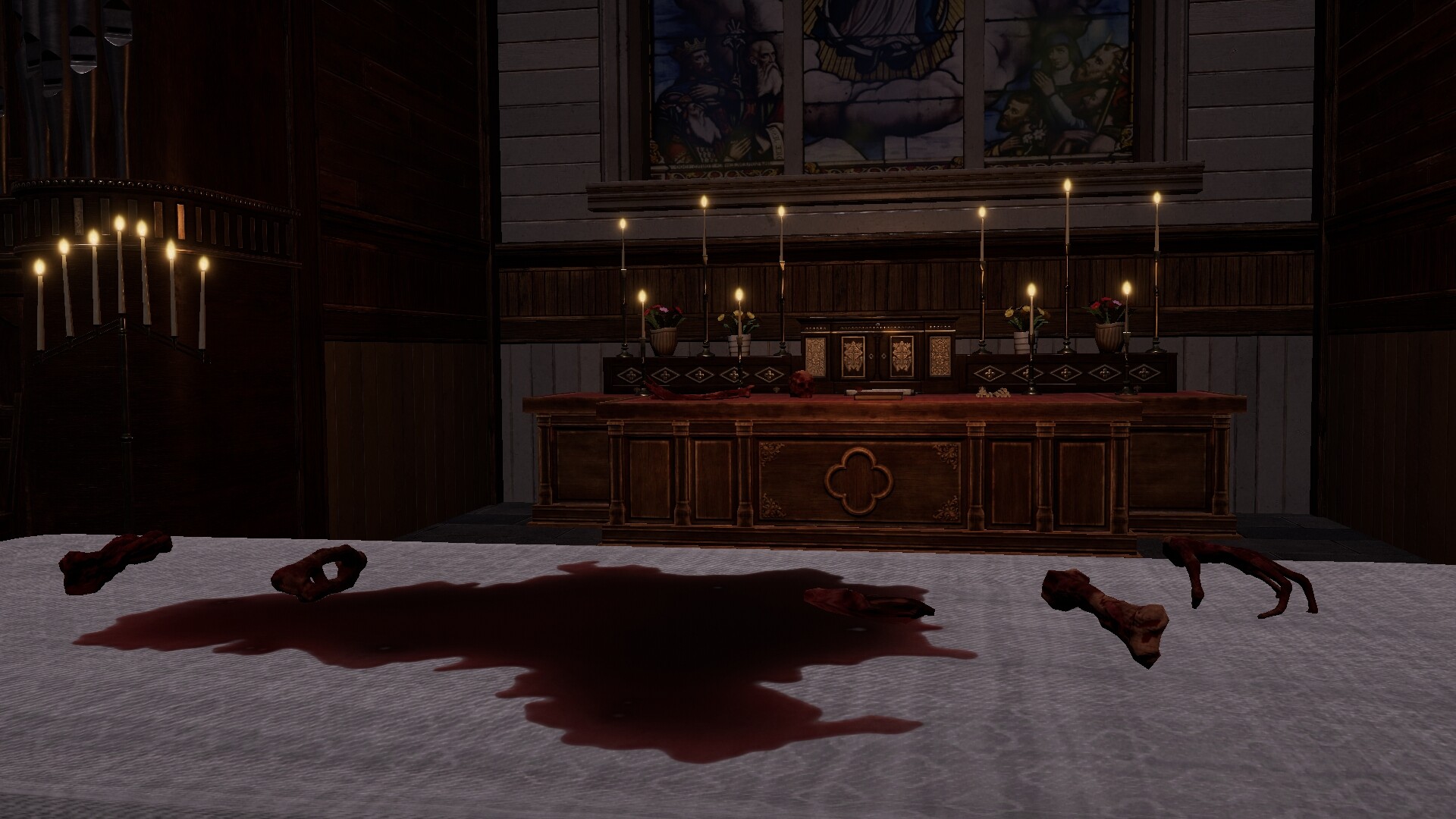
Trace of the Villa is a story-rich, atmospheric mystery adventure on Steam where Jin follows leads to a deliberately forgotten mansion. The official description frames the experience as investigative: manifests and hints point to a larger operation, rooms look like occupants vanished mid-routine, and the house appears to have had identities scrubbed from its records. Mechanically and narratively, the game emphasizes restoring systems and reading the environment to reconstruct timelines and motive.
Who it’s for
This suits players who prefer slow-burn suspense, environmental storytelling and clue-driven exploration over twitch action. If you enjoy locked-room thinking — tracing how one recovered artifact leads to another piece of the puzzle, and then to secured systems or safes that require decoding — this setup is directly pitched to that taste. The Steam page also lists accessibility and convenience features (color alternatives, custom volume, subtitles, playable without timed input) that help make the single-player experience approachable.
When and where to play
Trace of the Villa released on Steam on 28 May, 2026. It’s listed on Steam with the appid 3483660 and the developer/publisher credit to Steadyturtle Co., Ltd.
Why the theme matters — power, systems, safes, documents
The official premise anchors its puzzles in systems you bring back online: restoring power is not just atmosphere, it’s a primary device for revealing gameplay beats. Secured systems coming online, hidden compartments opening, and safes yielding encrypted documents all suggest a chain-based puzzle design where each unlocked system yields evidence that unlocks the next lead. That structure supports a psychological investigation tone — you’re reconstructing erased identities from bureaucracy and quiet financial trails, not simply opening a succession of set-piece doors.
How you progress — clue chains and environmental reading
The Steam description highlights manifests, recovered hints, and fragments of encrypted documents and transfer records as the connective tissue of the mystery. Expect to parse physical evidence in rooms left “mid-routine,” follow traces in paper and digital systems, and use restored infrastructure to access previously locked caches. In practical terms, progression looks to be driven by discovery and pattern recognition: find a manifest; it suggests another location or code; you restore power or reactivate a system; a safe or document becomes readable and pushes the timeline forward.

Player scenarios — who should wishlist or skip
- Wishlist if: you like slow, detective-style pacing and puzzles that reward reading notes, manifests and decrypted files; you appreciate single-player atmospheric mystery on PC; you want an investigative arc tied to restoring estate systems.
- Consider waiting if: you prefer faster action-led pacing or multiplayer puzzle rooms with physical object manipulation (the game is listed as single-player).
- Good fit for accessibility-minded players: the Steam page lists subtitle options, color alternatives, custom volume controls and “playable without timed input.”
How it compares — short editorial table
| Title | Primary genre(s) | Puzzle focus | Exploration style | Tone / pacing | Best for |
|---|---|---|---|---|---|
| Trace of the Villa | Action, Adventure, Indie | System-restoration, safes, encrypted documents, clue chains | Single-player mansion exploration; environmental reading | Slow-burn, investigative | Players who like narrative puzzle design and locked-room thinking |
| The Room | Adventure, Indie | Mechanical puzzle boxes and safes | Isolated puzzle rooms/attic setting | Focused, tactile puzzle pacing | Fans of tactile inspection and single-object puzzles |
| The Room Two | Adventure, Indie | Extended mechanical and layered puzzle boxes | Varied locations, cryptic artifacts | Methodical and atmospheric | Players who enjoyed the original and want more layered puzzles |
| Escape Simulator | Adventure, Casual, Indie, Simulation | Highly interactive object puzzles; community-made rooms | Modular escape rooms; single or co-op play | Variable pacing (depends on room) | Players who want interactive manipulation and co-op options |
| Hi‑Fi RUSH | Action | Rhythm-based combat and movement | Linear action-adventure arenas | Fast, music-driven | Players looking for action and rhythm mechanics, not slow investigations |
Note: comparisons are editorial and based on genre, tone and the stated puzzle/exploration focus of each listed title.
YouTube discovery
Search for official trailers and gameplay on YouTube: Trace of the Villa trailer / gameplay search. This link points to YouTube search results; it does not assert an official video is present unless verified on the publisher’s channel.
Final read
If your taste leans toward environmental storytelling, narrative puzzle design and layered clue chains built around reactivating estate systems, Trace of the Villa is explicitly targeting that experience. The official premise makes clear the gameplay revolves around finding manifests and encrypted records, restoring power, and following financial and identity traces through a sealed property — a structure that will appeal to players who approach mysteries like forensic puzzles.
Leave a Reply