Trace of the Villa — an escape-room style mansion mystery built around power, systems, safes, and documents
Trace of the Villa casts you as Jin, an investigator following a frayed trail to a remote, deliberately forgotten mansion. When the estate’s power is restored, secured systems and locked storage start returning secrets—encrypted documents, suspicious transfer records, and clues that point to falsified identities and controlled movements.

What the game is
Trace of the Villa is an Action/Adventure indie about Jin, a man searching for his missing sister. Official Steam materials set up a slow-burn, story-rich investigation inside a decaying, off-grid mansion where rooms appear abandoned but altered — identities erased and doors locked to hide an operation. The official description emphasizes investigative beats you trigger by restoring power: secured systems come back online, hidden compartments open, and safes yield fragments of encrypted documents and suspicious transfer records that extend the trail.
Quick facts
| Title | Trace of the Villa |
|---|---|
| Release date | 28 May, 2026 |
| Developer / Publisher | Steadyturtle Co., Ltd. |
| Genres | Action, Adventure, Indie |
| Key Steam categories | Single-player; Color Alternatives; Custom Volume Controls; Playable without Timed Input; Subtitle Options; Family Sharing |
| Steam appid | 3483660 |
| Steam user reviews | No user reviews (as listed on the Steam public summary) |
When and where to play
Trace of the Villa released on 28 May, 2026 and is listed on Steam for PC. If you’re deciding whether it fits your wishlist, the Steam store page is the official place to see system requirements, screenshots, and any post-launch updates.
Why the thematic focus matters
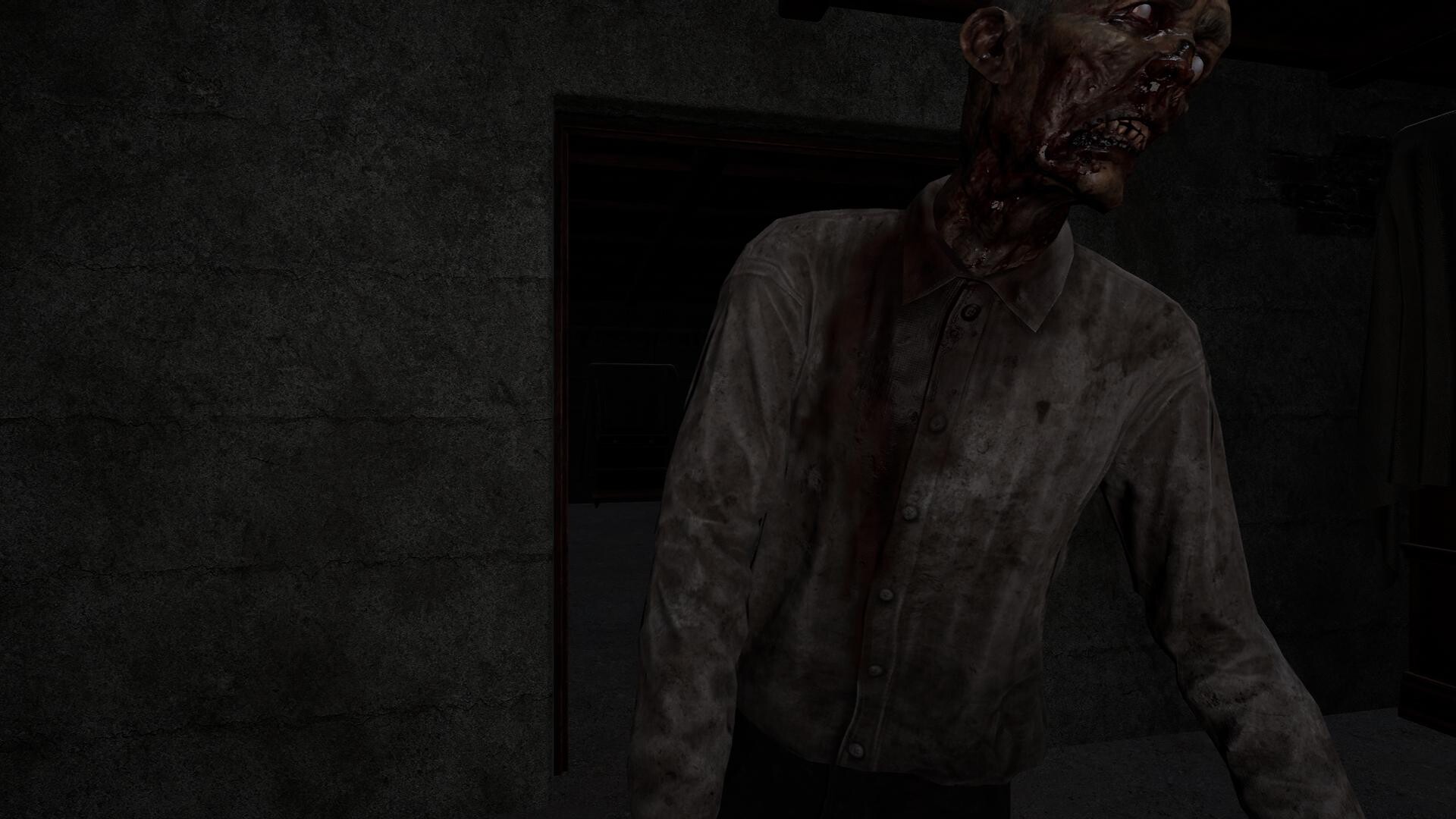
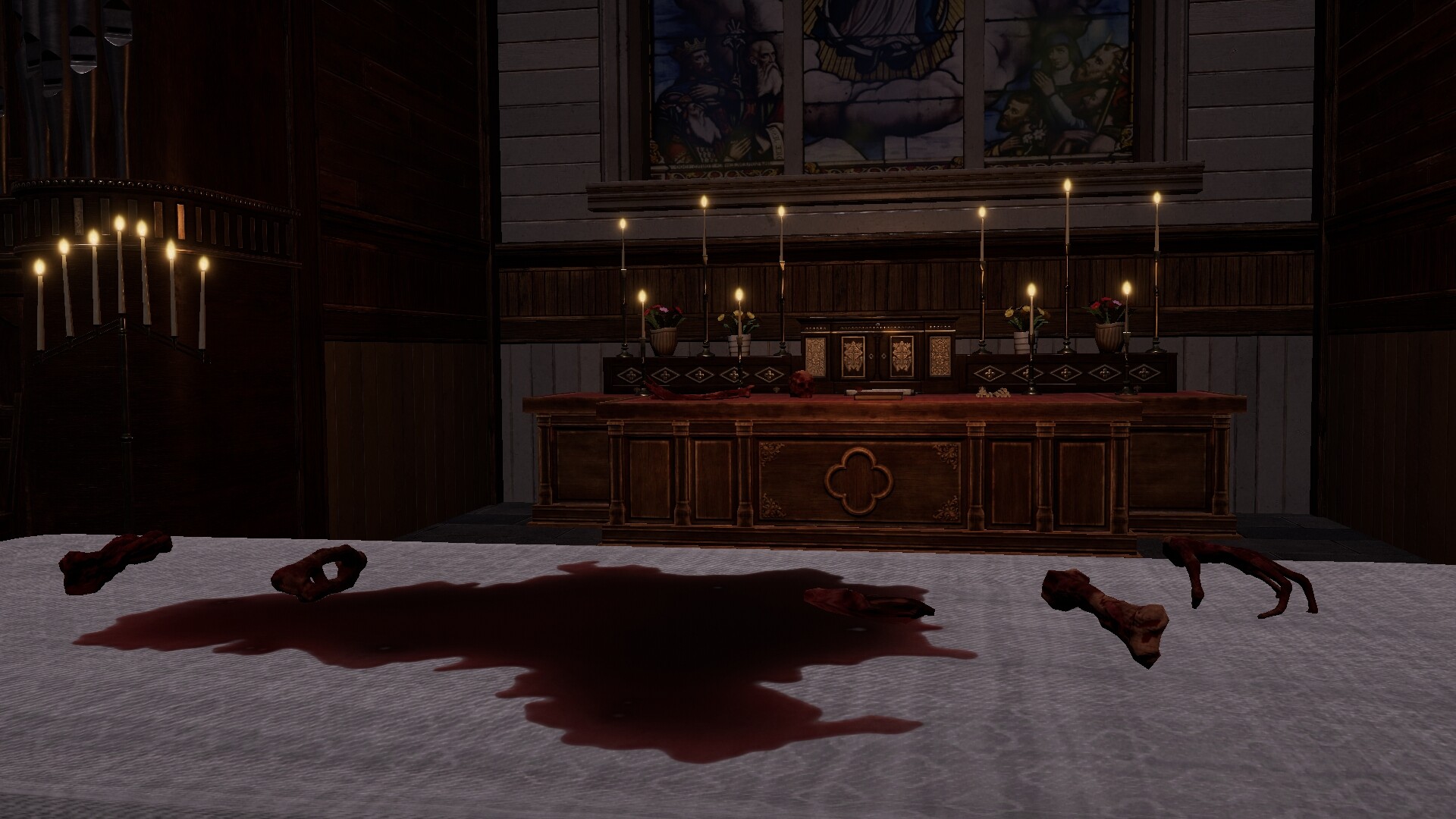
The game’s premise centers on a house that was “less abandoned than erased” — missing personal markers, arrivals without records, departures without witnesses. That framing makes Trace of the Villa primarily about reconstruction: of timelines, identities, and hidden systems. Thematically, it leans toward psychological investigation and environmental storytelling rather than overt horror spectacle; the mansion itself is the narrative engine, and the restoration of power is the mechanical pivot that lets the story unfold.
How the official premise maps to gameplay (power, systems, safes, documents)
From the official description: restoring power is explicitly a gameplay trigger. When Jin brings the estate back online, “secured systems come back online” and “hidden compartments unlock.” Safes and secured storage produce “fragments of encrypted documents and suspicious transfer records.” That chain—environmental observation → system restoration → access to secured storage → document fragments—frames the game’s core clue loop. Players read manifests and recovered hints, link chained discoveries (for example, a power switch that reactivates a console, which reveals a safe’s combination), and use environmental cues to prioritize which systems to revive first. The design prioritizes clue-driven progression and document reading as sources of narrative and puzzle resolution.
Who this is for
- Players who prefer slow-burn, atmospheric mystery adventures where reading the environment and documents drives progress.
- Fans of locked-room thinking and sequential clue chains—those who enjoy reactivating systems and tracing financial or identity threads through found materials.
- Single-player explorers who value narrative puzzle design and psychological investigation over twitch action; the Steam listing highlights single-player and accessibility options such as subtitles and play without timed input.
- Players deciding between a tactile escape-room sim and a story-led mansion mystery: Trace of the Villa skews narrative and investigation first, puzzle interaction second, per the official premise.
Editorial comparisons — how Trace of the Villa sits next to nearby mystery/puzzle titles
Below is a compact editorial comparison using lawful discovery criteria: genre, atmosphere, puzzle focus, exploration style, story tone, and pacing.
| Title | Genre | Atmosphere | Puzzle focus | Exploration style | Story tone / pacing | Player fit |
|---|---|---|---|---|---|---|
| Trace of the Villa | Action / Adventure / Indie | Mansion mystery; erased identities; methodical and investigative | Systems, safes, documents; clue chains triggered by restoring power | Environment-led, read manifests and unlock compartments | Slow-burn, investigative | Players who like environmental storytelling and document-driven puzzles |
| The Room | Adventure / Indie | Intimate, tactile, mechanical | Focus on ornate safes and mechanical puzzles | Single-room, puzzle-object interaction | Concentrated, puzzle-centric | Players who enjoy intricate physical puzzle boxes |
| The Room Two | Adventure / Indie | Cryptic, atmospheric, exploratory | Mechanical puzzle pedestals and environment-linked puzzles | Multi-room progression with set-piece puzzles | Measured, puzzle-first | Fans of extended puzzle sequences with a mysterious throughline |
| Escape Simulator | Adventure / Casual / Indie / Simulation | Playful, interactive escape
Steam pageView Trace of the Villa on Steam YouTube discoveryFor trailer and gameplay discovery, use YouTube search rather than relying on unverified embeds: Find Trace of the Villa trailer and gameplay searches on YouTube. CommentsMore posts |
Leave a Reply