
Trace of the Villa — an escape-room style mansion mystery built from power, safes, and paper trails
Trace of the Villa places you in the shoes of Jin, a search that turns a decaying, off-grid mansion into a series of locked rooms and interlocking clues. When you restore power, systems and safes begin to spit out encrypted documents, manifests and transfer records that pull a local investigation into a wider, controlled operation.

Developer / Publisher: Steadyturtle Co., Ltd. | Release date on Steam: 28 May, 2026 | Genres listed: Action, Adventure, Indie.
Who this is for
- Players who favour slow-burn suspense and environmental storytelling: the mansion is less about combat and more about reading rooms, logs and transaction traces.
- Fans of locked-room thinking and clue chains who enjoy connecting small discoveries (a restored terminal, a safe’s contents, a manifest entry) into a larger timeline.
- People who like puzzle-driven exploration on PC and want a story-focused solo experience (Trace of the Villa is single-player and includes accessibility options like subtitle support and color alternatives).
What the game is — official premise and core mechanical hooks
Trace of the Villa centers on Jin’s search for his missing sister. A lead brings him to a remote mansion cut off from the grid; rooms look as if occupants vanished mid-routine and personal identity markers have been scrubbed. Crucially, restoring power is a gameplay beat: when Jin brings systems back online, secured devices and compartments begin to reveal fragments of encrypted documents, suspicious transfer records and manifests. Those recovered artifacts form the game’s clue chains — each unlocked safe or terminal yields information that points to the next locked space or piece of the operation.
When and where — Steam availability
Trace of the Villa is available on Steam with a release date of 28 May, 2026. The Steam store page lists developer and publisher as Steadyturtle Co., Ltd., and shows categories such as Single-player, Subtitle Options, Color Alternatives, and Family Sharing.
Why the theme matters — power, systems, and the language of concealment
The game’s central premise ties narrative to mechanics. “Power restoration” isn’t just an aesthetic; it acts as a reveal mechanic — bringing hardware and locked systems back into the scene enables a stepwise uncovering of falsified identities, financial trails that go nowhere, and controlled movements of people. That design makes the mansion feel like an engineered environment: clues are embedded in infrastructure, not only in objects, which shifts the player’s approach from “find the key” to “reconstruct how systems were used to erase traces.”

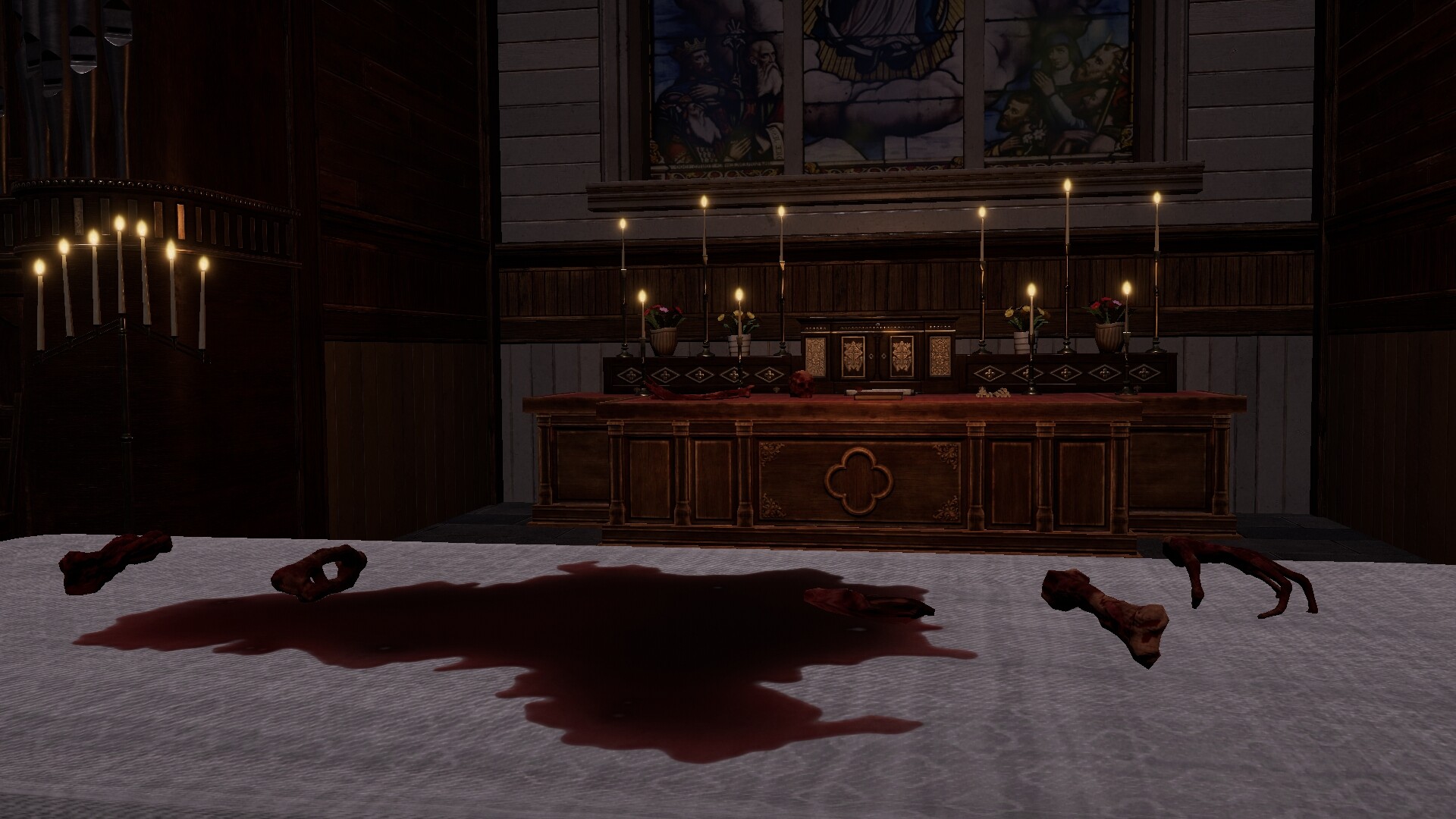
How you progress — reading the environment and assembling chains of evidence
Progression is described on the Steam page as largely investigative: restored power makes secured systems and hidden compartments accessible; safes provide fragments of encrypted documents; manifests and transfer records sketch a financial and movement-based trail. Players will be assembling these fragments into timelines and causal chains — a classic escape-room rhythm where one solved lock or decrypted file points to the next physical location or system to bring back online.
Quick facts
| Title | Trace of the Villa |
|---|---|
| Steam AppID | 3483660 |
| Release Date | 28 May, 2026 |
| Developer / Publisher | Steadyturtle Co., Ltd. |
| Genres | Action, Adventure, Indie |
| Categories | Single-player, Color Alternatives, Custom Volume Controls, Playable without Timed Input, Subtitle Options, Family Sharing |
Comparison snapshot — where Trace of the Villa sits among related mystery and puzzle experiences
| Title | Primary focus | Atmosphere / Tone | Puzzle style / Exploration | Player fit |
|---|---|---|---|---|
| Trace of the Villa | Investigation via power/systems, safes, documents | Slow-burn mansion mystery, erased identities | Clue chains unlocked by restoring systems and opening safes | Players who prefer methodical reading of environments and narrative puzzle design |
| The Room | Object-based mechanical puzzles and locks | Claustrophobic, tactile curiosity | Focused, intricate single-object puzzles (safe/box puzzles) | Players who love tactile, mechanical brainteasers |
| The Room Two | Expanded object puzzles and atmospheric progression | Cryptic, atmospheric exploration | Sequenced object puzzles and environmental transitions | Fans of layered, object-centric puzzle narratives |
| Escape Simulator | Highly interactive escape rooms, sandbox physics | Playful puzzle sandbox with community rooms | Physics-driven interaction, object manipulation, editor support | Players who want interactivity, co-op and modded room variety |
| Hi-Fi RUSH | Action and rhythm-based combat | Energetic, rhythm-forward | Action rhythms and combat, not investigative puzzles | Players who prioritise action and musical pacing over environmental mystery |
Player scenarios — concrete situations where this fits your backlog
- If you enjoy methodically piecing together a missing-person timeline from scattered records and terminal logs, Trace of the Villa’s mechanics align with that investigation loop.
- If you like puzzle progression that ties to a single mechanical conceit — here, restoring systems and unlocking safes — you’ll appreciate the consistent investigative thread.
- If your preference is for physics-heavy interaction, co-op rooms, or object-focused mechanical puzzles (à la The Room or Escape Simulator), consider whether the mansion’s systems-and-documents rhythm is the kind of puzzle pacing you want.
YouTube discovery
For trailers and gameplay footage, search YouTube using this query: Trace of the Villa trailer gameplay. This link leads to search results and should help you find publisher-released trailers or independent footage; do not assume every video returned is official.
View Trace of the Villa on Steam
Disclaimer: Referenced titles and trademarks belong to their respective owners. Comparisons above are editorial discovery only and do not imply endorsement or direct affiliation.
Leave a Reply