
Trace of the Villa — an escape-room style mansion mystery with power, safes and document chains
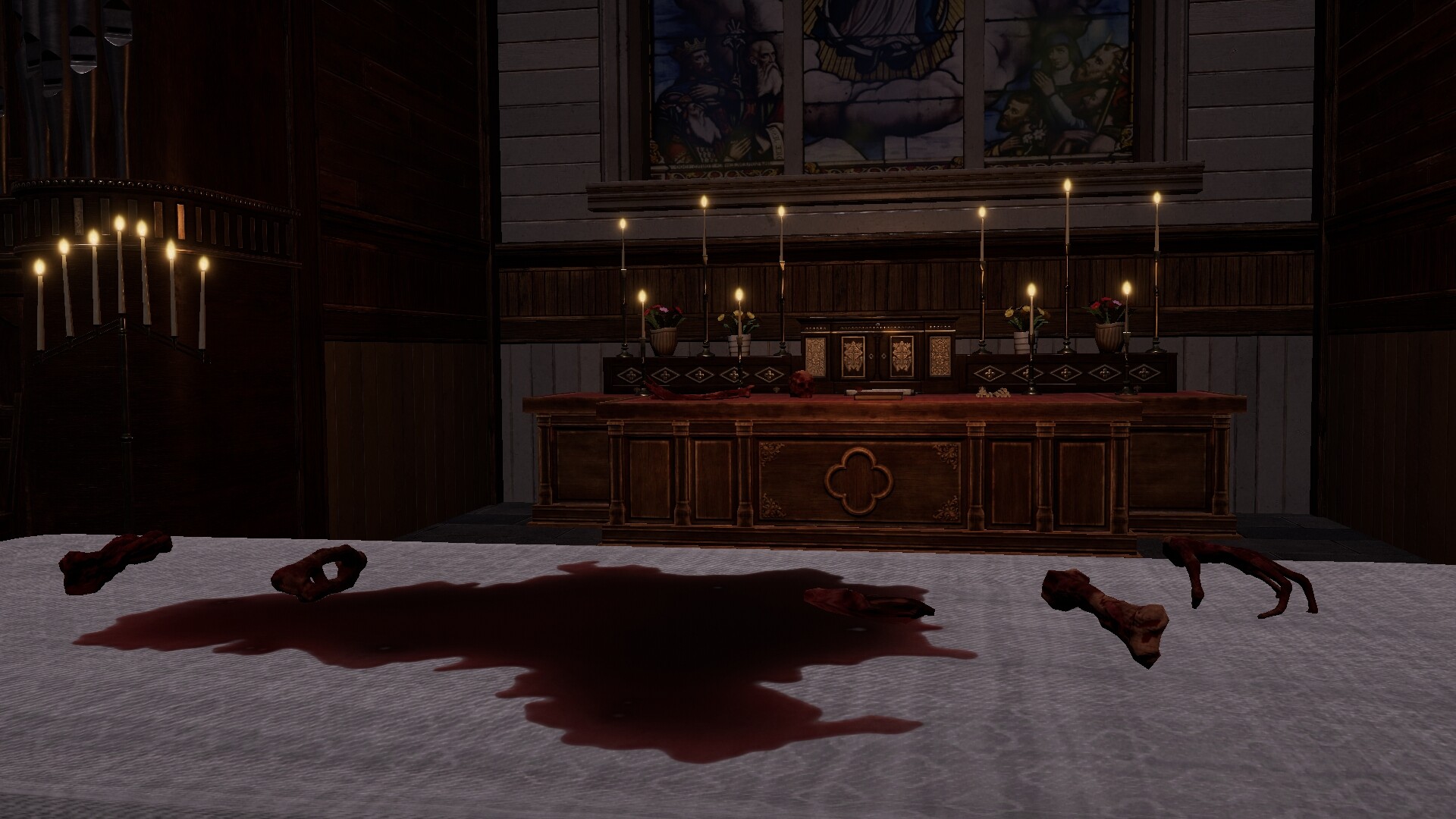
Trace of the Villa casts you as Jin, a man who follows a cold lead to a remote, decaying mansion and begins restoring its systems to reveal locked secrets — safes, encrypted documents and suspicious transfer records. The game blends environmental storytelling and clue-chain puzzle design with a slow-burn investigation that unspools as secured systems come back online.

Who should wishlist Trace of the Villa?
This is for players who prefer atmospheric mystery adventure and environmental storytelling: people who enjoy reading rooms, assembling clue chains, and solving puzzles that reopen systems and reveal documents rather than relying on combat or reflex tests. It will also suit solo players — Trace of the Villa is listed as Single-player and includes accessibility-friendly options such as subtitle options, custom volume controls and playability without timed input.
What the game is — premise and official mechanics
Developer and publisher Steadyturtle Co., Ltd. describe Trace of the Villa as a story about Jin’s search for his missing sister. After years of cold leads, Jin follows evidence to a property cut off from the grid. Restoring power is a central mechanical pivot: when the estate’s systems are reactivated, the mansion begins to reveal what it was hiding — secured systems come back online, hidden compartments unlock, and safes yield fragments of encrypted documents and suspicious transfer records. Those fragments form the puzzle chains that drive investigation and narrative progression.

When and where — Steam details
Trace of the Villa released on 28 May, 2026 on Steam. The Steam listing identifies Steadyturtle Co., Ltd. as both developer and publisher and categorizes the game under Action, Adventure, and Indie. Relevant Steam categories include Single-player, Color Alternatives, Custom Volume Controls, Playable without Timed Input, Subtitle Options, and Family Sharing.
Why the theme matters — power, systems, safes, documents
The game’s central conceit — restoring power to unlock layers of concealment — ties its mechanical and narrative design together. Power is not just ambiance; it’s the trigger that returns secured systems to life, exposes hidden compartments, and produces concrete artifacts (safes, encrypted documents, suspicious transfer records) that let players build a chain of evidence. That structure encourages locked-room thinking: each reactivated system or opened safe yields a new node in a chain of clues, which you must read against the environment to reconstruct a timeline and motive.
How you progress — reading the environment and chaining clues
Progress in Trace of the Villa hinges on environmental reading and piecing fragments together. The Steam description cites recovered manifests, encrypted document fragments, and falsified identities as the kinds of evidence you’ll find. Expect a puzzle flow where solving one systems- or safe-based problem yields a document fragment or transfer record that points to the next locked door or hidden compartment. That design rewards methodical note-taking, cross-referencing ledger-style clues, and paying attention to staged details in furnished rooms that feel “erased” of identity.
Compact facts — Trace of the Villa
| Title | Trace of the Villa |
|---|---|
| Steam AppID | 3483660 |
| Developer | Steadyturtle Co., Ltd. |
| Publisher | Steadyturtle Co., Ltd. |
| Release date | 28 May, 2026 |
| Genres | Action; Adventure; Indie |
| Key Steam categories | Single-player; Color Alternatives; Custom Volume Controls; Playable without Timed Input; Subtitle Options; Family Sharing |
| Official short description | “Jin has spent years searching for his missing sister… recovered manifests and hints that indicate his sister may still be alive.” |
Comparison: where Trace of the Villa sits among puzzle and escape-room games
Below is an editorial comparison focused on genre, atmosphere, puzzle focus, exploration style, story tone and pacing to help you decide fit — not to rate or rank.
| Title | Genres (Steam) | Atmosphere / Story tone | Puzzle focus | Exploration style | Player fit |
|---|---|---|---|---|---|
| Trace of the Villa | Action, Adventure, Indie | Remote, decaying mansion; identities removed; slow, investigative tension (official description) | System- and safe-based puzzles, encrypted documents and clue chains | Single-player, room-to-room mansion exploration with environmental reading | Players who like narrative puzzle design, locked-room thinking, and methodical investigation |
| The Room | Adventure, Indie | Mysterious invitation to an attic with an arcane safe (Steam description) | Object- and device-based puzzle box mechanics centered on a single locked object | Focused, contained (attic / single-room) investigations | Fans of tactile puzzle boxes and concentrated, singular mysteries |
| The Room Two | Adventure, Indie | Halls of a long-forgotten crypt; evocative, puzzle-driven mystery (Steam description) | Layered object puzzles and mechanical devices | Compact, scene-focused exploration across successive puzzle locations | Players who enjoy rich, self-contained puzzle sequences and atmosphere |
| Escape Simulator | Adventure, Casual, Indie, Simulation | Varied tone (many community-made rooms); interactive, hands-on escape-room feel | Highly interactive item use, physics interactions, community-made puzzles (Steam description) | Room-scale, sandboxy interaction; supports solo and online co-op | Players who want clickable, physics-forward escape rooms and multiplayer options |
| Hi-Fi RUSH | Action | Beat-driven, high-energy action (Steam description) | Rhythm-based combat and action systems rather than investigative puzzles | Action-oriented levels and set pieces | Players looking for fast-paced action and rhythm mechanics, not slow investigation |
Leave a Reply