
Trace of the Villa — where locked-room thinking, clue chains and environmental reading meet a mansion mystery
Trace of the Villa places you in Jin’s shoes as he follows manifests and hints into a remote, decaying mansion; restoring power and bringing systems back online is how the house begins to reveal its secrets. If you prize slow-burn atmospheric mystery, chainable puzzles that reward careful observation, and story told through found systems, safes and documents, this May 28, 2026 Steam release is aimed squarely at that sensibility.

Who this is for
- Players who prefer single-player, story-rich adventures that emphasize environmental storytelling and gradual discovery — Trace of the Villa is listed as Single-player with subtitle options and accessibility features such as Custom Volume Controls and Color Alternatives.
- Fans of clue-driven exploration: people who enjoy working through chained puzzles (power restoration → systems come online → safes and documents reveal the next lead).
- Players who like narrative investigation grounded in tangible artifacts — manifests, transfer records and encrypted documents are explicit in the official description.
What the game is — the official premise and mechanics you can expect
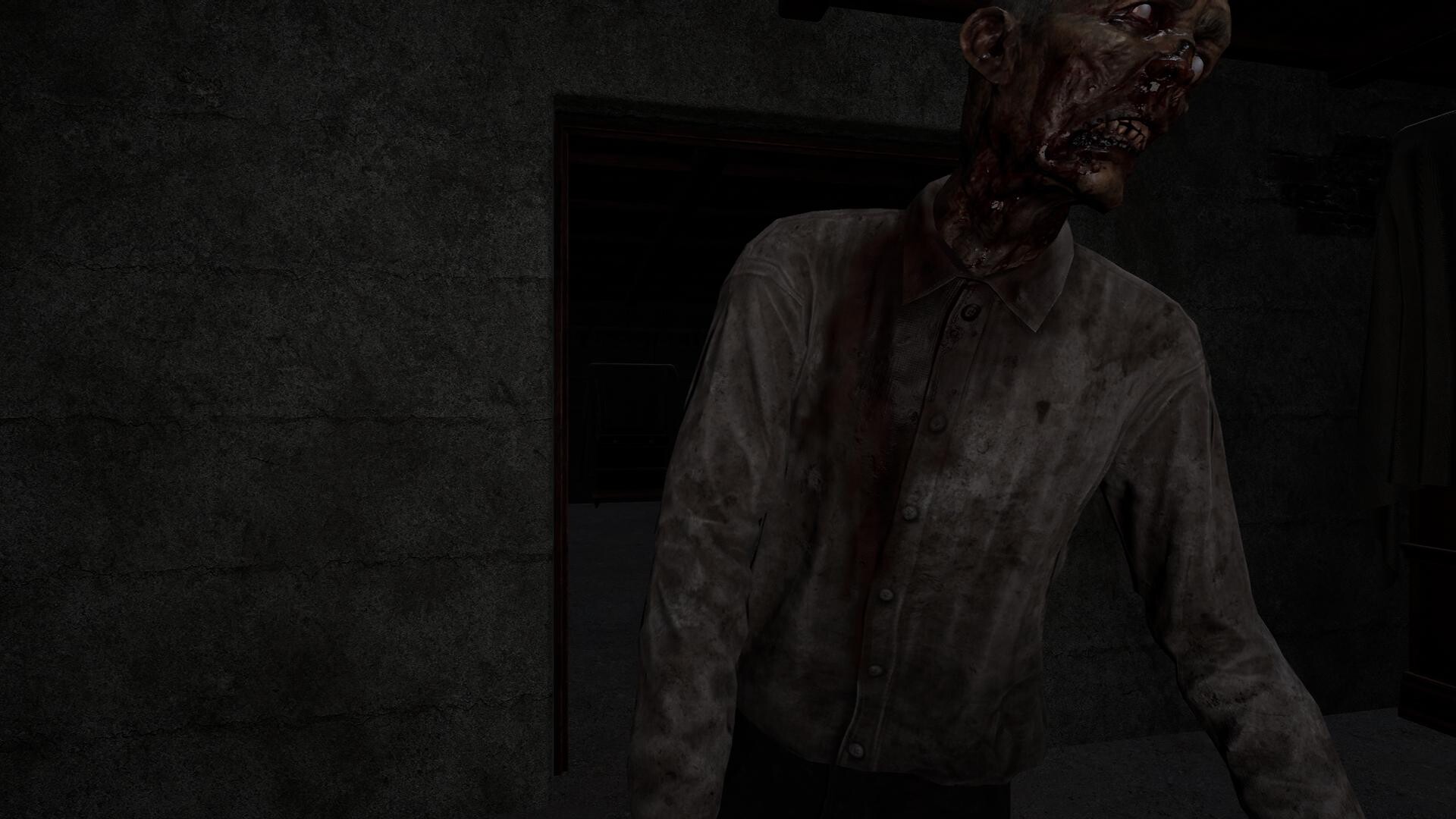
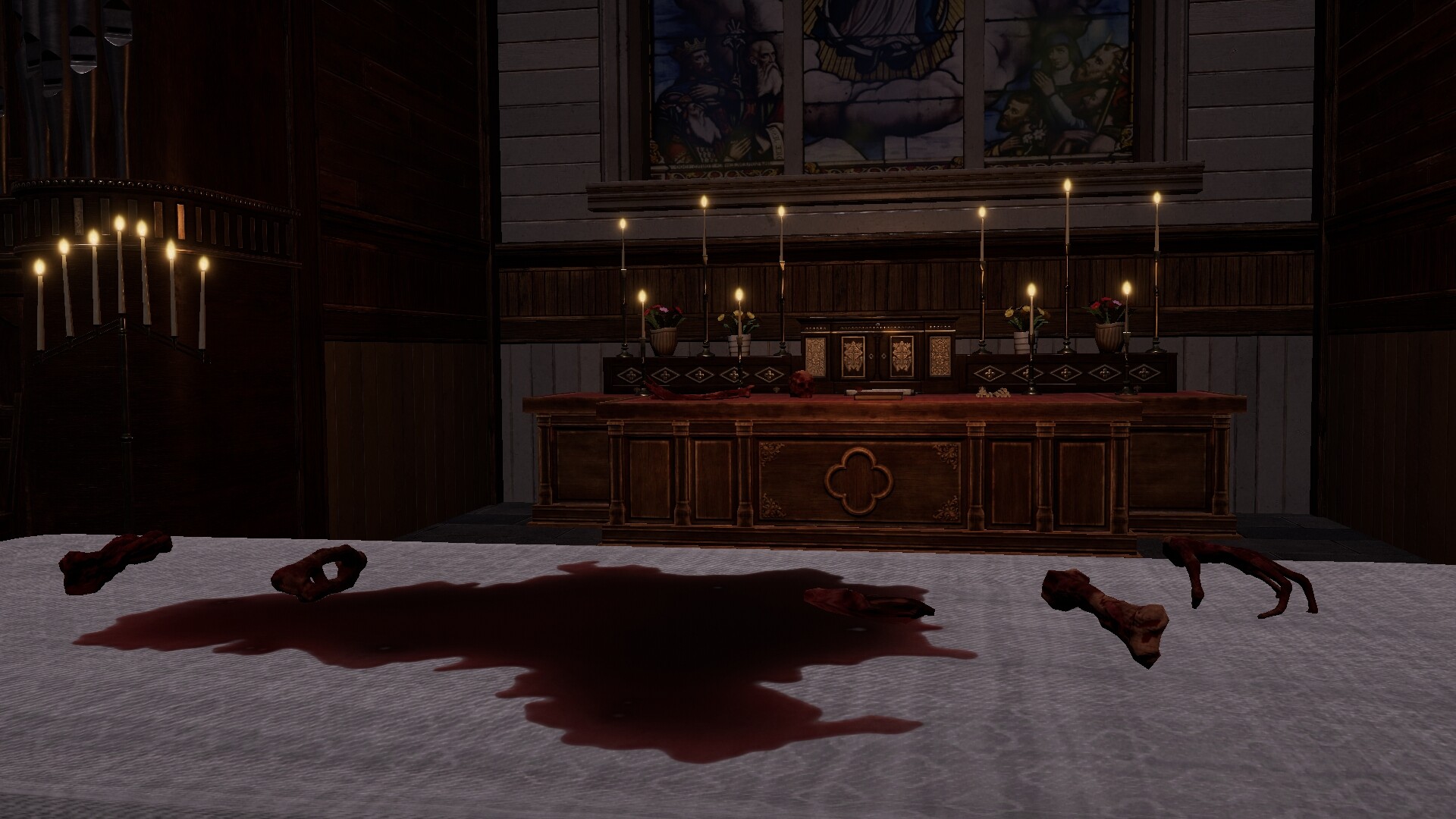
Developer/publisher Steadyturtle Co., Ltd. presents Trace of the Villa as an Action/Adventure/Indie title on Steam. Official text frames the protagonist, Jin, as a searcher of a missing sister whose trail ends at a mansion “cut off from the grid and deliberately forgotten.” The mansion’s rooms feel “less abandoned than erased,” with locked doors, secured systems and safes hiding fragments of evidence.
Mechanically the official description highlights a clear gameplay loop tied to systems and objects: when Jin restores power to the estate, “secured systems come back online,” hidden compartments unlock, and “safes yield fragments of encrypted documents and suspicious transfer records.” Those recovered items form the puzzle chain: financial trails, falsified identities and manifests point to further inquiry rather than straightforward answers.
When and where — release and Steam context
Trace of the Villa released on Steam on 28 May, 2026. The Steam store page identifies Steadyturtle Co., Ltd. as both developer and publisher and lists the game’s genres and categories used on Steam.
How you read clues and progress
The official description makes the investigative architecture explicit: physical systems are gameplay gates. Restoring power is the catalyst — it reactivates secured infrastructure so Jin can access locked spaces and retrieve evidence. Safes and hidden compartments produce fragments of encrypted documents, manifests and suspicious transfer records; these documents form the connective tissue of the mystery and suggest the presence of falsified identities and controlled movements.
Practically, that means progression leans on layered problem-solving: environmental reading (what’s left in a room and what’s missing), systems interaction (getting power and systems running again), and document interpretation (assembling partial records into a timeline). The game’s narrative puzzle design is thus rooted in chained discovery rather than single isolated puzzles.
Compact facts — Trace of the Villa
| Title | Trace of the Villa |
|---|---|
| Steam AppID | 3483660 |
| Release date | 28 May, 2026 |
| Developer | Steadyturtle Co., Ltd. |
| Publisher | Steadyturtle Co., Ltd. |
| Genres | Action, Adventure, Indie |
| Categories / Notable options | Single-player; Color Alternatives; Custom Volume Controls; Playable without Timed Input; Subtitle Options; Family Sharing |
| Official short description | Jin has spent years searching for his missing sister, pursuing leads that took him to a remote, decaying mansion where he recovered manifests and hints that indicate his sister may still be alive, somewhere at the end of the trail he is about to follow. |
How Trace of the Villa compares to nearby mystery/puzzle experiences
Below is an editorial comparison — not a ranking — focused on genre, atmosphere, puzzle focus, exploration style, story tone and pacing. These are lawful editorial observations based on official descriptions and genre metadata.
| Title | Genre(s) | Atmosphere / Story Tone | Puzzle focus / Exploration style | Pacing / Player fit |
|---|---|---|---|---|
| Trace of the Villa | Action / Adventure / Indie | Slow-burn mansion mystery; erased identities; clinical and unsettling | Systems-driven progression (power, safes, documents) and chained clues | For players who like gradual decoding and narrative threads tied to objects |
| The Room | Adventure / Indie | Claustrophobic, tactile puzzle-box mystique | Focus on physical safes and mechanical puzzles in contained environments | Best for players who enjoy focused puzzle boxes and tactile problem-solving |
| The Room Two | Adventure / Indie | Expand-on-the-original: intimate but increasingly exotic and enigmatic | Continues puzzle-box design with more layered thematic environments | Players who appreciated The Room and want more variety of handcrafted puzzles |
| Escape Simulator | Adventure / Casual / Indie / Simulation | Light-hearted to varied depending on community rooms | Highly interactive object manipulation; modular escape-room design; co-op options | Good for players who want physics-based interaction and community content |
| Hi‑Fi RUSH | Action | High-energy, music-synced combat and bright tone (not a mystery) | Action and rhythm systems, not focused on environmental puzzles | For players seeking fast-paced action rather than investigative pacing |
Player scenarios — who should wishlist this
- If you prefer environmental reading and document-led puzzles: Trace of the Villa explicitly uses manifests, transfer records and encrypted fragments as progression fodder — the game rewards note-taking and assembling partial histories.
- If you like systems-first gating: The official description centers on restoring power and reactivating secured systems. Players who enjoy flipping switches and seeing new gameplay avenues open will find that approach central to the design.
- If you want tactile puzzle-box design: Players seeking nonstop mechanical puzzle boxes (à la The Room series) should expect a different rhythm here: Trace of the Villa ties those elements into broader investigative chains rather than isolated puzzle boxes alone.
- If you crave multiplayer or heavily social puzzle play: The game is listed as Single-player. If co-op escape-room sociality is your priority, titles like Escape Simulator are more focused on that mode.
YouTube discovery
Search for trailers and gameplay via this YouTube discovery path (useful if you want to watch footage before deciding): Trace of the Villa — YouTube search. This is a search/discovery link and not a claim of an official video.
Leave a Reply