
Trace of the Villa: who should consider this slow-burn mansion mystery
Trace of the Villa centers on Jin’s long hunt for a missing sister, leading him to a remote, decaying mansion where manifests and hints suggest she may still be alive. If you favor atmospheric mystery adventure that rewards forensic curiosity and patient, evidence-driven progress, this Steam indie release warrants a look.

| Title | Trace of the Villa |
|---|---|
| Release date | 28 May, 2026 |
| Developer / Publisher | Steadyturtle Co., Ltd. |
| Genres | Action, Adventure, Indie |
| Key Steam categories | Single-player; Color Alternatives; Custom Volume Controls; Playable without Timed Input; Subtitle Options; Family Sharing |
| Steam page | View Trace of the Villa on Steam |
Who this is for
Players who enjoy slow-burn suspense, methodical clue-gathering and estates that feel lived-in (and then unnervingly erased) should consider Trace of the Villa. The protagonist, Jin, anchors a personal search narrative rather than bombastic action; the Steam metadata emphasizes single-player exploration, subtitle options and accessibility features like “playable without timed input,” which suggests a focus on reading and examining over twitch reflexes.
What the game is
According to the official Steam description, Trace of the Villa follows Jin into an off-grid, deliberately forgotten mansion where rooms are furnished but identities and records have been removed. Restoring power reveals locked systems, hidden compartments and safes that yield encrypted documents, suspicious transfer records and manifests — environmental evidence and financial trails that hint at controlled movements of people. The stated premise frames the game as a narrative puzzle-adventure built around uncovering concealed operations and reconstructing timelines from physical traces.
When and where
Trace of the Villa launched on Steam on 28 May, 2026. The Steam page lists developer and publisher as Steadyturtle Co., Ltd., and the store listing includes the images and screenshots linked above and below.
Why the theme matters — abandoned estates and forensic curiosity
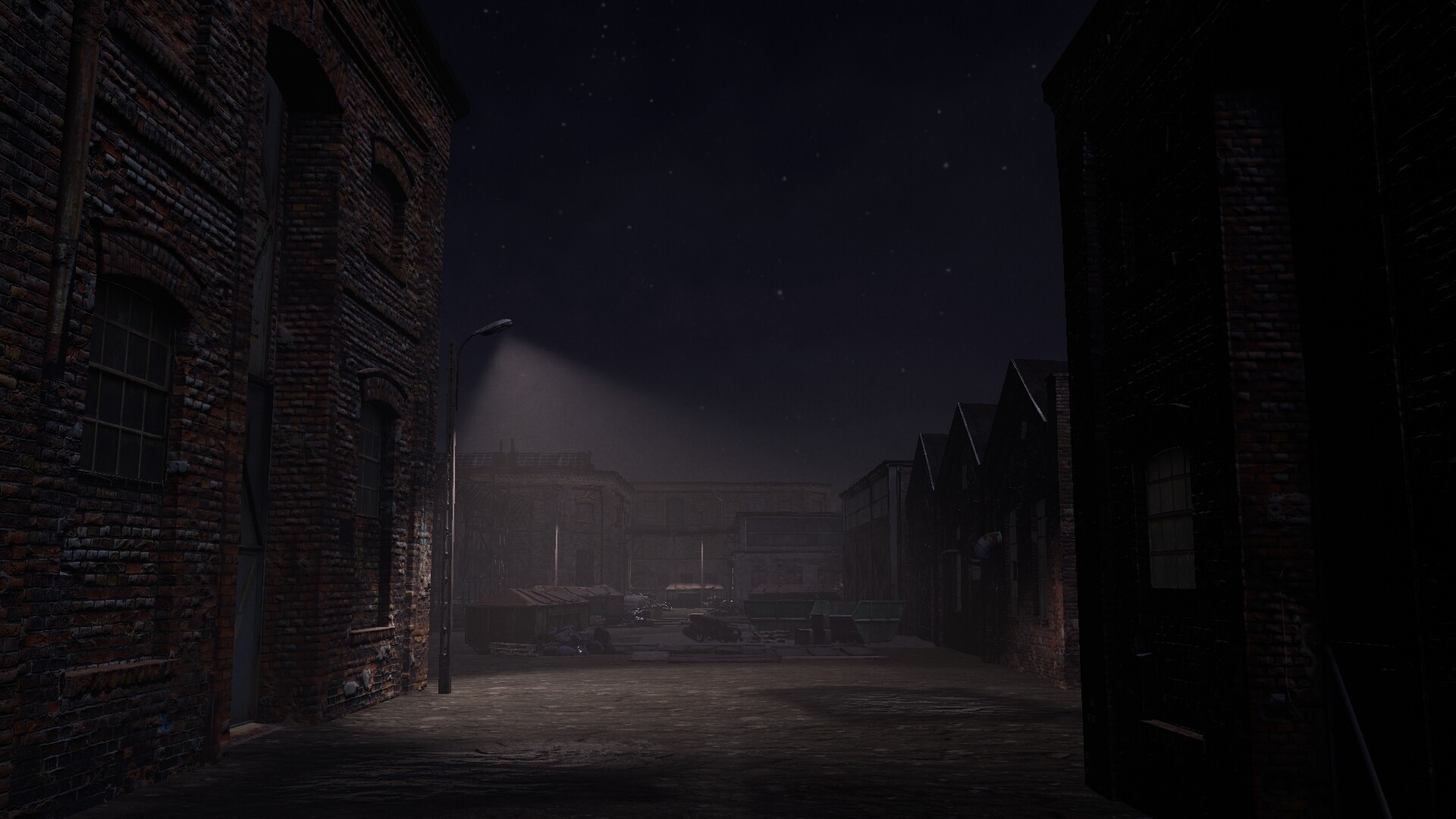
Mansion mysteries work when the environment does the storytelling. Trace of the Villa’s written pitch centers on rooms “furnished as if occupants vanished mid-routine” and systems that, once reactivated, expose layers of concealment. That framing should appeal to players who prize environmental storytelling and the feel of reconstruction — reading manifests, tracing transfers and assembling timelines from objects and data rather than exposition-heavy cutscenes.
How you read clues and progress
The official description describes returning power to the estate, unlocking systems and safes, and piecing together encrypted documents and transfer records. Expect progression that emphasizes discovery—restoring systems, locating hidden compartments and following financial or logistical traces—over fast action. The store also lists categories like “Playable without Timed Input” and subtitle options, which supports a careful, puzzle-forward playstyle rather than timed reflex challenges.
Comparison: which mystery-adventure players will prefer Trace of the Villa
| Title | Atmosphere | Puzzle focus | Exploration style | Pacing / tone |
|---|---|---|---|---|
| Trace of the Villa | Decaying mansion, erased identities, forensic detail (official store premise) | Clue-driven: manifests, encrypted docs, safes and systems | Investigative, evidence-based, systems to restore | Slow-burn, investigative, personal stakes (Jin searching for his sister) |
| Amnesia: The Dark Descent | Claustrophobic Gothic horror | Environmental puzzles with survival-horror mechanics | First-person immersion focused on fear and evasion | High-tension, horror-focused pacing |
| SOMA | Sci-fi, oppressive undersea atmosphere | Puzzles integrated with narrative and philosophical themes | Exploration across interconnected facilities | Slow-building existential tension with horror beats |
| Layers of Fear (2016) | Psychological, shifting Victorian mansion | Story-driven environmental puzzles | House as changing puzzle space | Unsettling, psychological and atmospheric |
| The Room | Focused, tactile mystery — small-scale rooms and safes | Mechanical, inspection-heavy puzzle boxes | Compact, contained spaces designed around puzzles | Measured, puzzle-centric tension |
| Rusty Lake Hotel | Surreal, darkly whimsical hotel mysteries | Point-and-click puzzle sequences with odd logic | Room-by-room vignette exploration | Off-kilter, puzzle-driven narrative |
Player scenarios — who should wishlist Trace of the Villa
- If you like mansion mysteries where the house itself hides the story and recovery of systems unlocks narrative layers, add it to your wishlist.
- If you prefer puzzle boxes and short, self-contained rooms (e.g., The Room), note that Trace of the Villa appears to emphasize estate-scale investigation and documentary evidence over isolated mechanical puzzles.
- If you enjoy slow investigative pacing, forensic curiosity and rebuilding timelines from financial/physical traces, Trace of the Villa’s premise aligns with that appetite.
- If your preference is high-tension survival horror or constant threats (e.g., Amnesia), the Steam metadata’s focus on single-player narrative and “playable without timed input” suggests a more measured investigative experience here.
YouTube discovery
Search for trailers and gameplay videos here (useful for glimpsing tone and pacing): Trace of the Villa — YouTube search.
Steam page: https://store.steampowered.com/app/3483660/Trace_of_the_Villa/
Disclaimer: referenced titles and trademarks belong to their respective owners; comparisons above are editorial discovery only and not an endorsement or official connection.
Leave a Reply