Trace of the Villa: who should consider this slow-burn mansion mystery?
Trace of the Villa drops you into a decaying, cut-off estate where Jin—a man searching for his missing sister—finds manifests and hints that the trail might still lead somewhere. If you favor atmospheric mystery adventure driven by environmental evidence and forensic curiosity rather than instant shocks, this one is aimed directly at that patient, clue-focused player.

Who should wishlist Trace of the Villa?
- Players who prefer slow-burn suspense and atmospheric mystery adventure over fast-paced action.
- Fans of mansion mysteries and environmental storytelling who enjoy reading fragments of a life to reconstruct a timeline.
- Those drawn to forensic curiosity and clue-driven exploration—players who treat rooms and objects as evidence.
- PC players who like their investigations methodical: restoring systems, unlocking hidden compartments and following financial or identity traces as narrative fuel.
What the game is
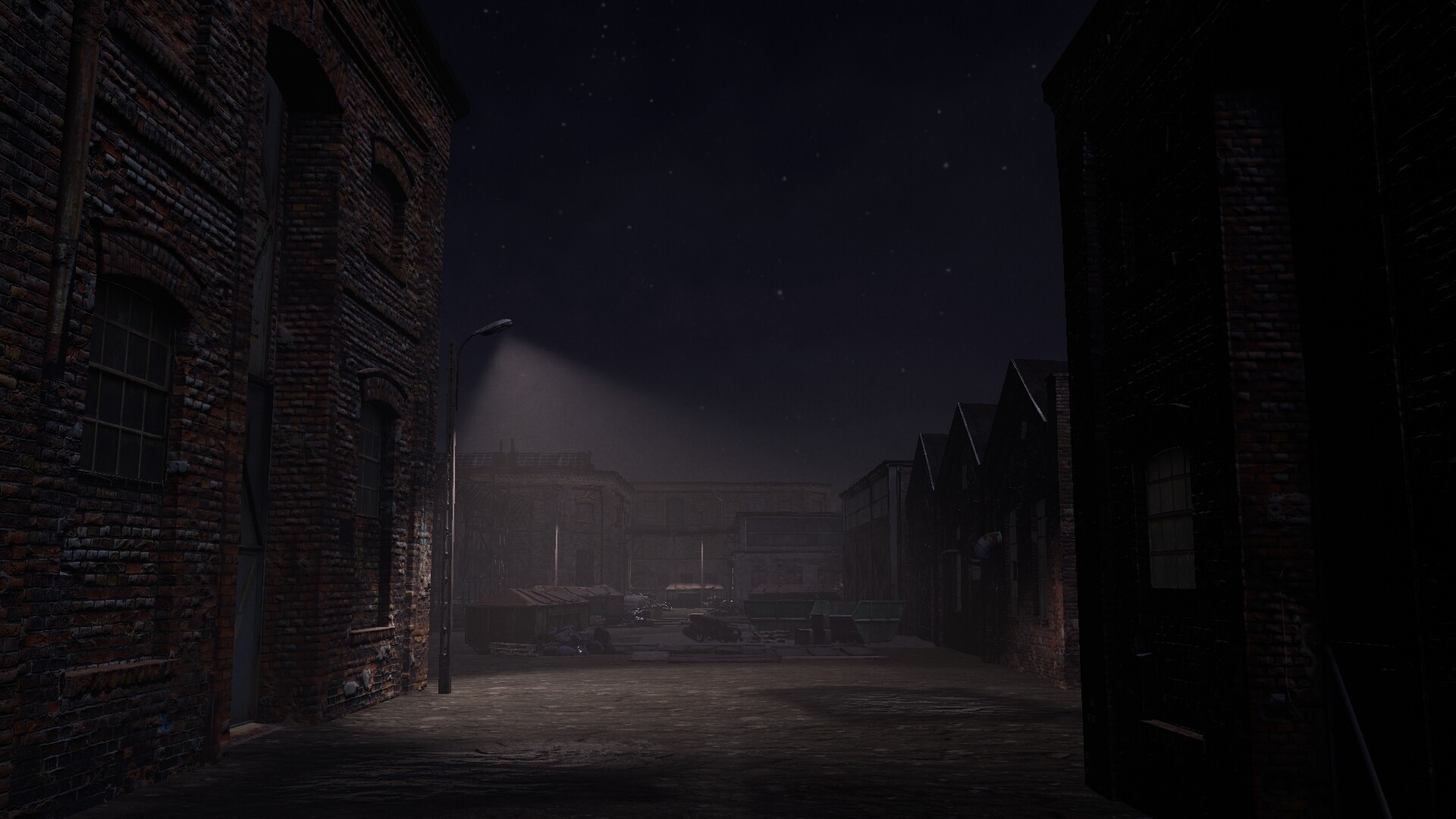
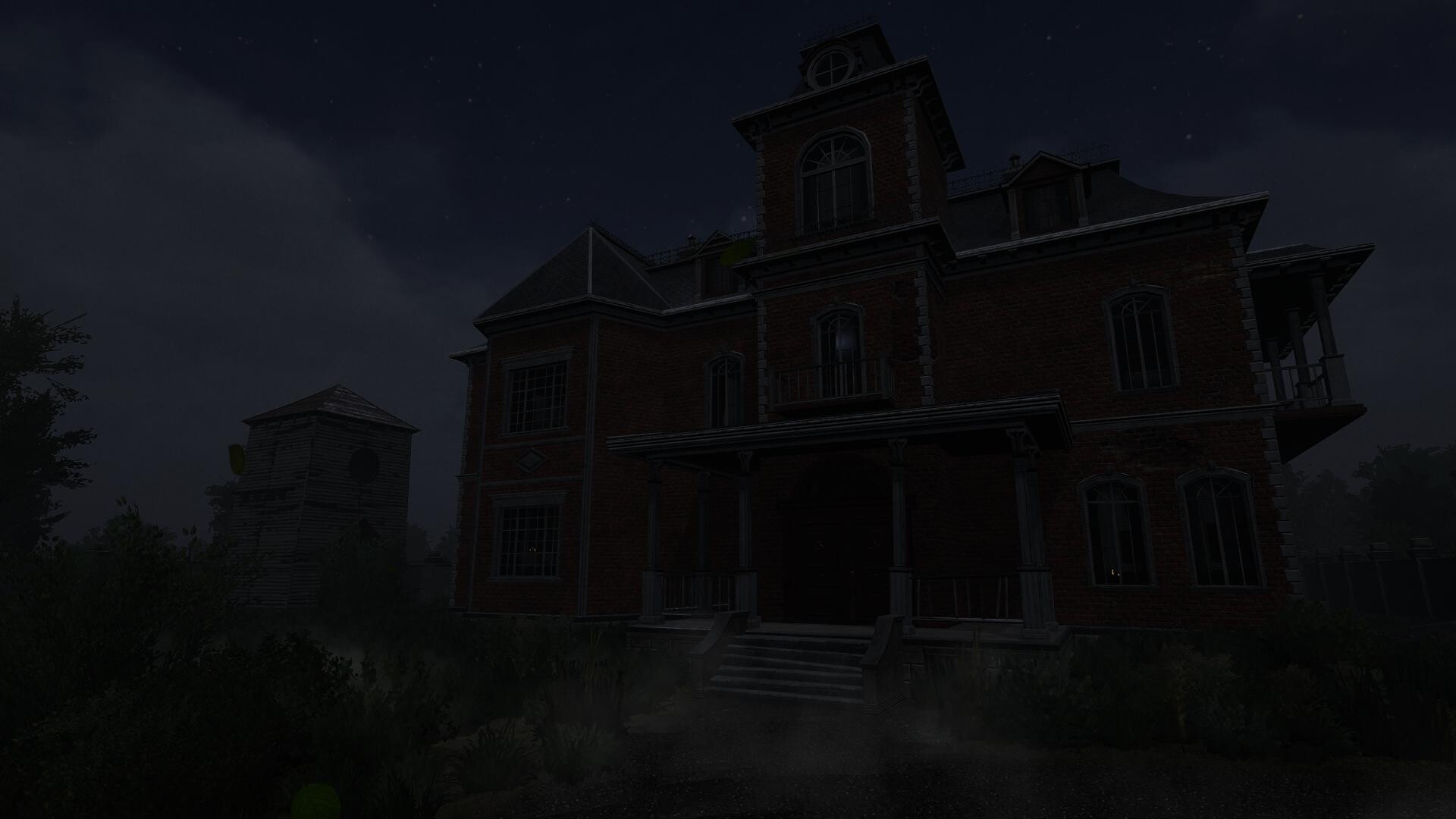
Trace of the Villa, developed and published by Steadyturtle Co., Ltd., places Jin in a remote, deliberately forgotten mansion where rooms feel “erased” and occupants appear to have vanished mid-routine. The official Steam description makes the premise clear: restoring power and accessing secured systems reveals encrypted documents, transfer records, and other fragments that build a picture of controlled movements and falsified identities. The tone is investigative and psychological rather than purely supernatural or action-driven.
When and where
Trace of the Villa released on 28 May, 2026 and is available on Steam for PC. The store page lists it in Action, Adventure, Indie genres and provides accessibility and play options such as Single-player, Color Alternatives, Custom Volume Controls, Playable without Timed Input, Subtitle Options, and Family Sharing—small but useful flags for players who care about pacing and accessibility.
How you progress: environmental evidence and slow investigation
The official description highlights investigation through the environment: when Jin restores power, “secured systems come back online” and “hidden compartments unlock.” That language suggests gameplay loops built around restoring functionality, reading manifests and encrypted fragments, and following paper trails. Expect a focus on piecing together timelines and motives from physical artifacts and system logs rather than combat or reflex tests—the categories explicitly include “Playable without Timed Input,” which supports a slower, contemplative pace.
Why the mansion and forensic theme matters
Abandoned estates work as study-in-absence environments: furniture left in place, absent photographs or names, and locked doors that hint at deliberate erasure create a specific itch for players who enjoy reconstructing what shouldn’t be forgotten. The forensic approach—treating objects, manifests, and system traces as clues—shifts the player’s role from horror-survivor to investigator, making pace and attention to detail the main sources of tension.
Compact facts
| Title | Trace of the Villa |
|---|---|
| Developer / Publisher | Steadyturtle Co., Ltd. |
| Release date | 28 May, 2026 |
| Genres | Action, Adventure, Indie |
| Key Steam categories | Single-player; Color Alternatives; Custom Volume Controls; Playable without Timed Input; Subtitle Options; Family Sharing |
| Steam store | Open Trace of the Villa on Steam |
How Trace of the Villa compares to nearby mystery/puzzle titles
Below is a focused editorial comparison using lawful criteria: genre, atmosphere, puzzle focus, exploration style, pacing, and the player who’ll most likely enjoy each title.
| Title | Genre / Tone | Puzzle / Investigation focus | Exploration style | Pacing | Player fit |
|---|---|---|---|---|---|
| Trace of the Villa | Action / Adventure / Indie — mansion mystery, forensic tone | Clue-driven: manifests, encrypted fragments, secured systems (official description) | Room-by-room estate exploration; systems restoration reveals new areas | Slow, methodical; emphasis on reading and piecing together evidence | Players who want environmental storytelling and patient investigations |
| Amnesia: The Dark Descent | Action / Adventure / Indie — first-person survival horror | Immersion and survival inform discovery; puzzles mixed with horror sequences | First-person atmospheric exploration of a castle and its mysteries | Often tense and immediate; survival mechanics raise stakes | Players who want immersion, dread, and survival tension alongside narrative |
| SOMA | Action / Adventure / Indie — sci-fi horror, existential tone | Story and environment uncover philosophical mysteries and logs | Confined, claustrophobic environments with exploration-driven reveals | Measured but occasionally intense as story beats escalate | Players who like narrative-heavy, atmospheric investigation with moral weight |
| Layers of Fear (2016) | Adventure / Indie — psychological horror in a Victorian mansion | Storytelling through changing environments and puzzle sequences | Linear mansion exploration with shifting, surreal set pieces | Slow-burn and psychological; emphasis on atmosphere over mechanics | Players who enjoy psychological narratives and a painterly, Victorian aesthetic |
| The Room | Adventure / Indie — tactile puzzle-box experience | Mechanical, tactile puzzles centered on a single eerie object/room | Focused, intimate spaces; puzzle-box design rather than broad exploration | Deliberate and puzzle-focused; brisk progress when puzzle logic clicks | Players who prefer tightly designed, tactile puzzles and minimal exploration |
| Rusty Lake Hotel | Adventure / Indie — eerie, vignette-style puzzles | Short, surreal puzzles tied to a narrative loop and recurring themes | Structured episodes/rooms with puzzle-driven progression | Compact, episodic pacing; puzzle-centric with darkly whimsical tone | Players who like bite-sized, strangeness-forward puzzle adventures |
Player scenarios — who will get the most from Trace of the Villa?
- If you value scene-reading and forensic curiosity: You’ll enjoy treating rooms as evidence and following system logs and manifests to reconstruct what happened.
- If you want atmosphere over jump scares: The estate’s decayed, intentionally blanked-out history and slow reveal pace are built for slow-burn tension rather than shock moments.
- If you like puzzle boxes and tightly scoped mechanical puzzles: Consider The Room first; Trace of the Villa looks oriented toward interlocking environmental clues and narrative fragments rather than single-object puzzle boxes.
- If you need accessibility or to
YouTube discovery
For trailer and gameplay discovery, use YouTube search rather than relying on unverified embeds: Find Trace of the Villa trailer and gameplay searches on YouTube.
Leave a Reply