Trace of the Villa — who should consider this slow-burn mansion mystery
Trace of the Villa is a story-driven, atmospheric mystery adventure that asks you to read a house like a crime scene: rooms left mid-routine, erased identities, and financial traces that lead nowhere. If you like environmental evidence, forensic curiosity, and slow investigative pacing that rewards patience, this one—released on 28 May, 2026—aims squarely at that audience.

What is Trace of the Villa?
Developed and published by Steadyturtle Co., Ltd., Trace of the Villa casts you as Jin, a long‑searching sibling who follows a lead to a remote, decaying mansion where manifests and scattered hints suggest his missing sister may still be alive. Classified on Steam under Action / Adventure / Indie and offered as a single‑player PC experience with accessibility options such as color alternatives, custom volume controls, subtitle options and playable without timed input, the game foregrounds clue‑driven exploration and narrative puzzle design.
When and where
Trace of the Villa released on Steam on 28 May, 2026. You can view the Steam store page directly for system requirements, wishlist, and purchase options.
Quick facts
| Title | Trace of the Villa |
|---|---|
| Steam App ID | 3483660 |
| Release date | 28 May, 2026 |
| Developer / Publisher | Steadyturtle Co., Ltd. |
| Genres / Categories | Action, Adventure, Indie · Single‑player · Color Alternatives · Custom Volume Controls · Playable without Timed Input · Subtitles |
| Official short premise | Jin searches a remote, decaying mansion for leads that indicate his missing sister may still be alive. |
Who should consider wishlisting or buying it?
Trace of the Villa is tailored to players who:
- Prefer slow‑burn suspense and methodical investigation over fast action;
- Enjoy atmospheric mystery adventures set in abandoned or decaying estates where the environment carries the story;
- Have a forensic curiosity — interested in reading traces, manifests, financial records, and environmental evidence to reconstruct events;
- Like puzzle design that emerges from the setting (safes, secured systems, encrypted fragments) rather than abstract minigame puzzles;
- Value accessibility options that let them play without pressured timed input and adjust presentation to taste.
Why the themes matter: abandoned estates, evidence, and slow investigation
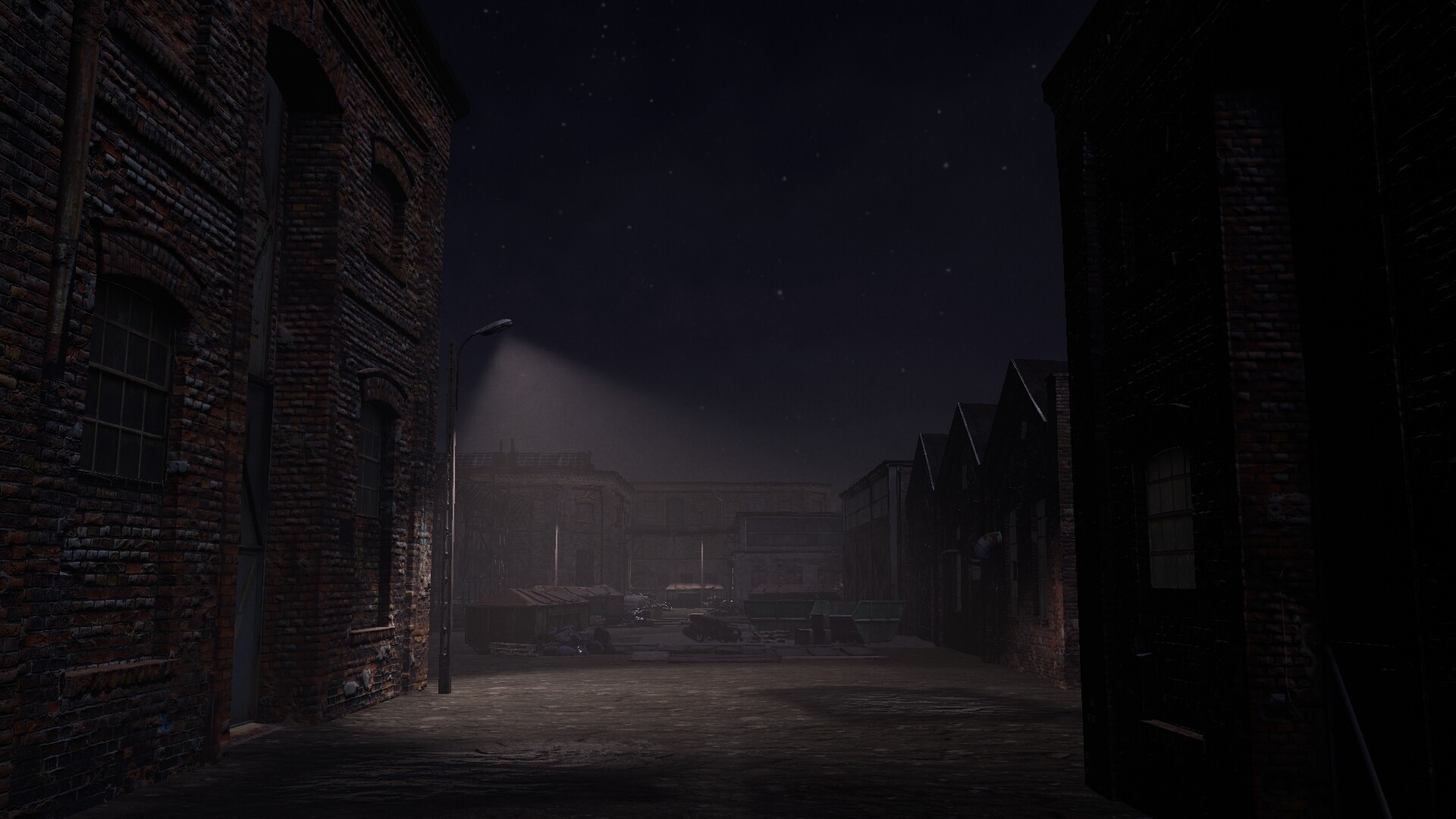
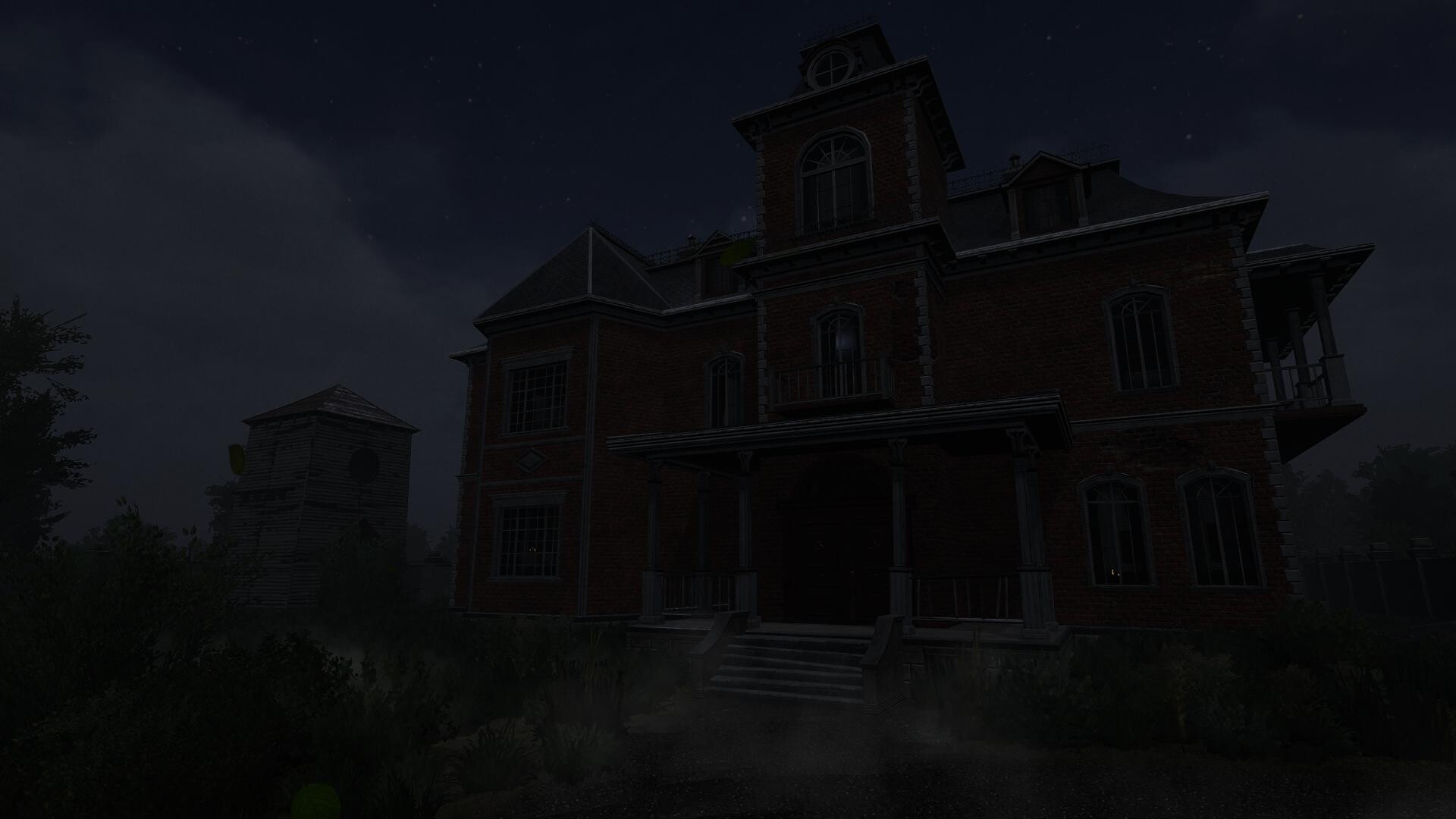
Trace of the Villa deliberately frames the mansion as a locus of erasure: rooms appear lived in yet identities have been removed, personal items are present but no photographs or names exist. That absence becomes evidence. The game’s tension comes from assembling environmental clues—manifests, transfer records, and encrypted documents—into a larger narrative instead of relying on scripted jump scares. If the idea of treating a house like a dossier appeals to you, the theme and pacing are core attractions.
How you read clues and progress
The official description outlines a few concrete investigative beats you can expect: restoring power to the estate, reactivating secured systems, unlocking hidden compartments, and opening safes to retrieve fragments of encrypted documents and suspicious transfer records. Progression here is forensic and iterative: each recovered item builds the timeline, and each restored system can unlock the next set of physical or digital evidence. The gameplay flow favors observation, note‑taking, and deduction rather than reflex tests.
Player scenarios — who will get the most out of a session
- Evening investigator: You want a single 1–2 hour session of focused clue‑reading with a clear narrative hook and atmospheric payoff.
- Pattern assembler: You enjoy piecing together financial trails and falsified identities into a motive or route map.
- Environmental storyteller fan: You prefer story revealed through objects, layouts, and locked rooms rather than cutscenes.
- Puzzle‑at‑your‑pace player: You want puzzles tied to discovery and exploration with optional time pressure off.
How Trace of the Villa sits next to other mystery/adventure titles
Below is a concise editorial comparison on lawful criteria—genre, atmosphere, puzzle focus, exploration style, story tone, and pacing—so you can match tastes rather than measure superiority.
| Title | Release | Genre / Core feel | Atmosphere | Puzzle focus | Exploration / Pacing |
|---|---|---|---|---|---|
| Trace of the Villa | 28 May, 2026 | Action · Adventure · Indie | Decaying mansion, environmental evidence, forensic tone | Document/safe restoration, system reactivation, clue assembly | Slow, investigative, player‑led discovery |
| Amnesia: The Dark Descent | 8 Sep, 2010 | Action · Adventure · Indie | Immersive, survival horror — oppressive and personal | Environmental puzzles with survival mechanics | Immersion with escalating dread and immediate danger |
| SOMA | 21 Sep, 2015 | Action · Adventure · Indie | Sci‑fi undersea, existential and unsettling | Puzzle exploration with narrative and survival elements | Slow to moderate, narrative weight with hostile moments |
| Layers of Fear (2016) | 15 Feb, 2016 | Adventure · Indie | Victorian mansion, psychological and shifting | Atmospheric puzzles tied to storytelling and set pieces | Slow, psychological, shifting environments |
| The Room | 28 Jul, 2014 | Adventure · Indie | Mysterious, intimate puzzle-box atmosphere | Mechanical puzzles and layered contraptions | Focused, puzzle‑box sessions rather than broad exploration |
| Rusty Lake Hotel | 29 Jan, 2016 | Adventure · Indie | Dark, eerie, stylized puzzle atmosphere | Point‑and‑click puzzles with surreal themes | Compact chapter‑based exploration and puzzle solving |
YouTube discovery
For trailers
YouTube discovery
For trailer and gameplay discovery, use YouTube search rather than relying on unverified embeds: Find Trace of the Villa trailer and gameplay searches on YouTube.
Leave a Reply