Who Should Consider Trace of the Villa after Atmospheric Mystery Adventures?
Trace of the Villa (released 28 May, 2026) drops you into a decaying, off-grid mansion where Jin follows fragmented manifests and cold traces that may lead to his missing sister. If you prize environmental evidence, slow, forensic-style investigation, and a house that feels “erased” rather than simply abandoned, this is a title to watch on Steam.

What Trace of the Villa Is
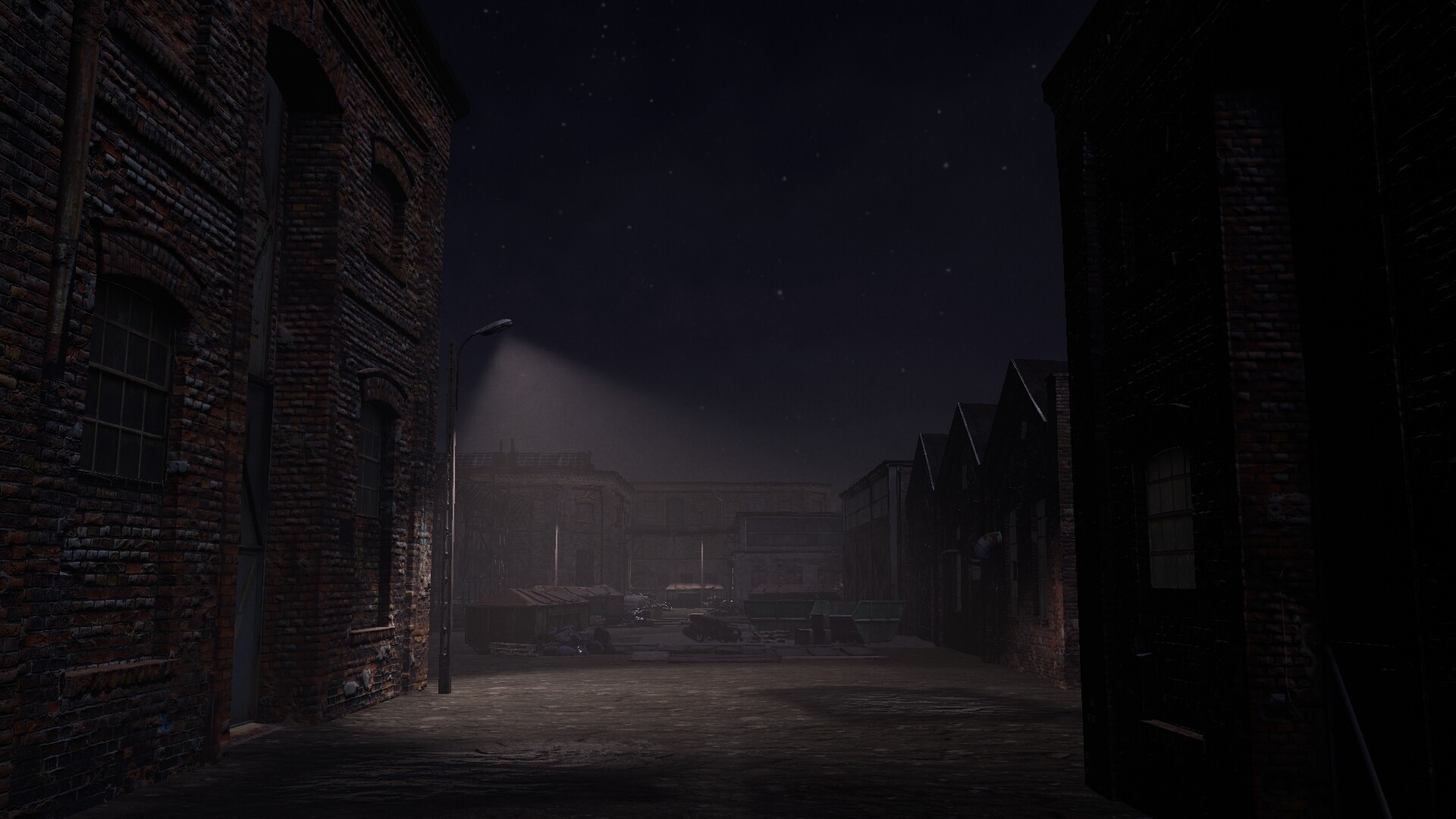
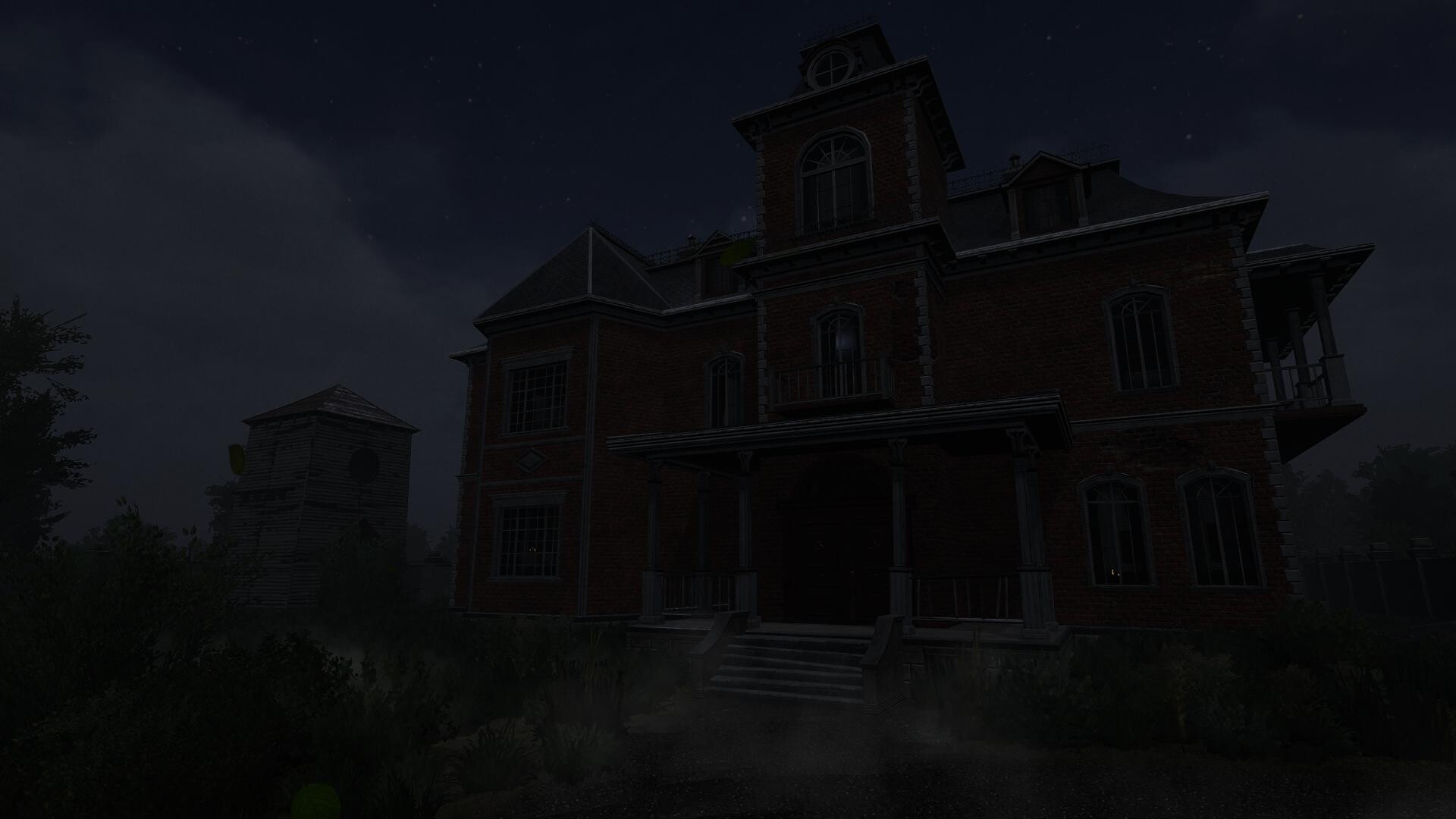
Developed and published by Steadyturtle Co., Ltd., Trace of the Villa is described on Steam as an action-adventure indie where protagonist Jin investigates a remote, decaying mansion after finding manifests and hints that his sister may still be alive. The estate is presented as deliberately forgotten: furnished rooms, locked doors, falsified identities and financial traces that point to something larger than a single disappearance. Restoring power and unlocking secured systems are explicit moments in the official description — the house reveals evidence as systems come back online.
Who This Fits (Player Profiles)
- Players who enjoy slow-burn suspense and methodical clue-gathering rather than constant jump scares.
- Fans of environmental storytelling and “forensic curiosity” — those who prefer reading evidence left in place (manifests, safes, encrypted documents) to being spoon-fed exposition.
- Explorers who like mansion mysteries where rooms feel staged and personal effects are clues to a larger operation.
- PC players who value accessibility options listed on Steam such as subtitle options, custom volume controls, and playable without timed input.
When and Where
Trace of the Villa launched on Steam on 28 May, 2026. The game’s Steam page lists genres as Action, Adventure, Indie and categories including Single-player, Color Alternatives, Custom Volume Controls, Playable without Timed Input, Subtitle Options, and Family Sharing.
Why the Theme Matters
The mansion-as-evidence motif shifts the investigative focus from fast puzzles to context: missing photographs, erased identities, and transfer records create an atmosphere of intentional concealment. That style rewards players who derive satisfaction from assembling timelines and inferring motive from environmental details rather than cinematic reveals.
How You Progress — The Clue Loop
The official Steam description explains a sequence of investigative beats you can expect: find manifests and hints; restore power to bring systems and locked mechanisms back online; open safes and decrypt documents; trace suspicious transfers and concealed operations. Progress appears tied to uncovering layers of the estate’s infrastructure, so expect chained puzzles and evidence-led exploration rather than reflex-based action.
Compact Facts — Trace of the Villa
| Title | Trace of the Villa |
|---|---|
| Steam AppID | 3483660 |
| Release Date | 28 May, 2026 |
| Developer / Publisher | Steadyturtle Co., Ltd. |
| Genres | Action, Adventure, Indie |
| Notable Steam Categories | Single-player; Color Alternatives; Custom Volume Controls; Playable without Timed Input; Subtitle Options; Family Sharing |
| Official Premise | Jin searches a decaying mansion for clues that his missing sister may still be alive; restoring power and uncovering secured systems reveal concealed operations. |
How It Compares — Nearby Mystery/Adventure Picks
Below is a compact editorial comparison to help decide if Trace of the Villa fits your tastes compared with established atmospheric mystery and puzzle titles.
| Game | Tone / Atmosphere | Puzzle Focus | Exploration Style | Pacing | Player Fit |
|---|---|---|---|---|---|
| Trace of the Villa | Decaying mansion, forensic/erased identities | Evidence-led puzzles, safes, encrypted documents | Room-to-room mansion exploration, systems restoration | Slow-burn, investigative | Fans of environmental evidence and narrative puzzle design |
| Amnesia: The Dark Descent (2010) | Immersive survival horror; oppressive dread | Environmental puzzles but heavy on survival mechanics | First-person, confined spaces that build dread | Intense, often frantic | Players who want immersion with horror tension |
| SOMA (2015) | Sci‑fi, existential unease | Puzzle and narrative; philosophical investigations | Exploration of detailed sci‑fi environments | Measured but tense | Players who like story-driven mystery in sci‑fi settings |
| Layers of Fear (2016) | Psychological, shifting Victorian mansion | Atmospheric puzzles tied to narrative reveals | Surreal, changing spaces that reflect the mind | Slow, psychological | Those who prefer psychological storytelling over forensic detail |
| The Room (2014) | Intimate, tactile mystery | Mechanical, object-based puzzles (boxes, locks) | Focused, single-room/compact locations | Puzzle-focused and deliberate | Players who love intricate, tactile puzzle design |
| Rusty Lake Hotel (2016) | Dark, eerie puzzle-adventure with surreal tone | Point-and-click puzzle sequences and logic | Set-piece rooms tied to chapter-based puzzles | Short, episode-like pacing | Players who enjoy bite-sized, eerie puzzle episodes |
Player Scenarios — Which Type of Evening Is This Game For?
- Quiet, focused play sessions: a player with an evening free who wants to read, search, and reconstruct timelines without time pressure.
- Forensic curiosity sessions: you enjoy cataloguing items, cross-referencing manifests, and following financial or identity breadcrumbs.
- Mansion-mystery marathons: you like exploring a single, multi-room estate that slowly reveals a broader operation.
- Not ideal if you want constant combat, fast-paced action, or tightly timed reflex puzzles — the official description emphasizes investigation and restoration of systems.
Trailer & Video Discovery
If you want trailers or gameplay footage, search YouTube for Trace of the Villa (use this search path rather than assuming a single official upload): YouTube: Trace of the Villa trailer & gameplay search.
View Trace of the Villa on Steam
Notes & Legal
Trace of the Villa and its official descriptions, images, and release data are taken from the Steam store page and provided developer metadata. Compared titles and trademarks belong to their respective owners; comparisons here are editorial discovery only and not endorsements.
Leave a Reply