
Trace of the Villa — When puzzles act as evidence in a mansion mystery
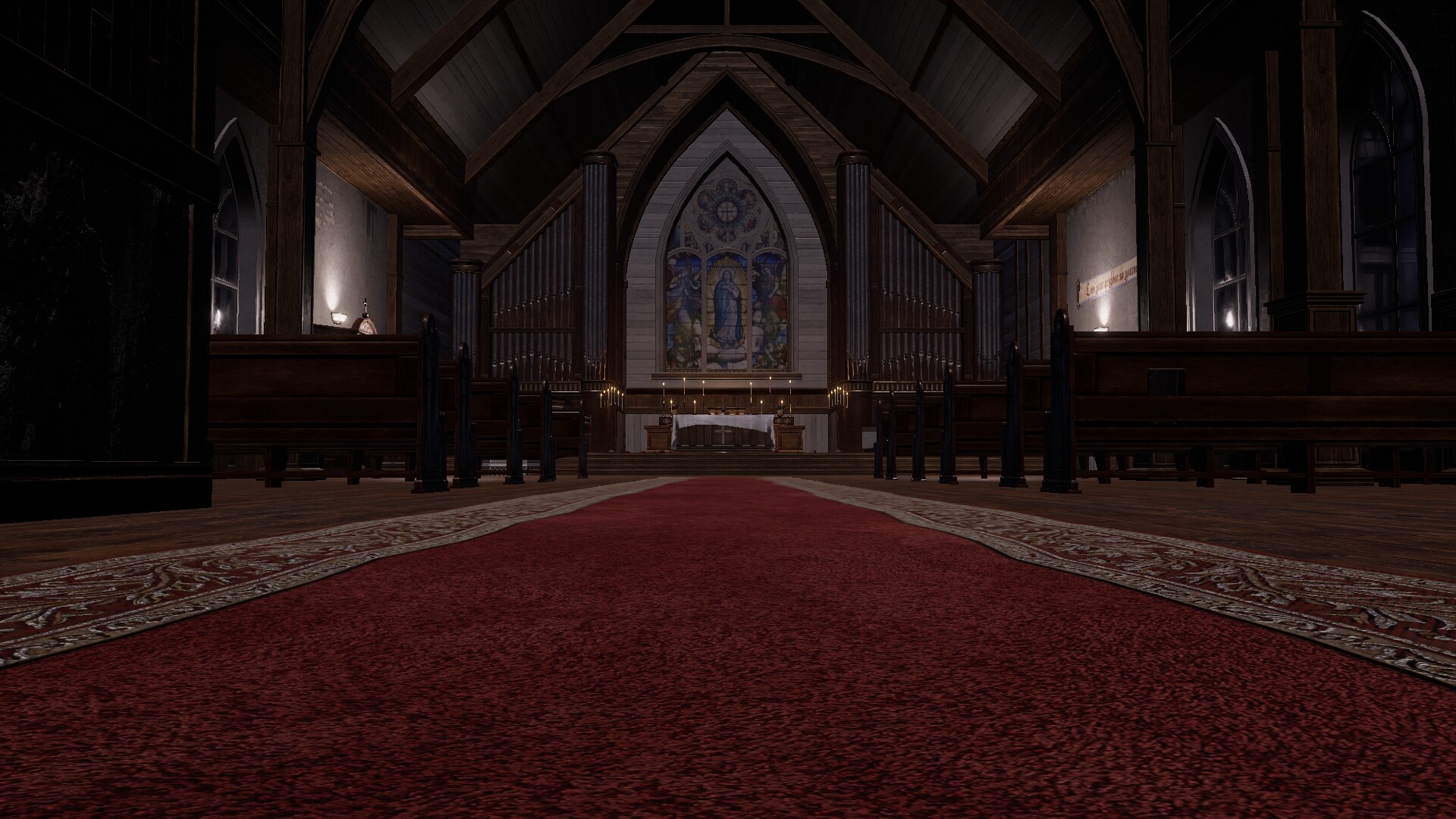
Trace of the Villa places investigation and puzzle-solving at the center of its anxiety-tinged story: Jin follows fragments of manifests and encrypted records through a decaying estate to learn whether his missing sister might still be alive. The game uses environmental clues, object logic, and layered story puzzles so that each solved lock or powered terminal reads like evidence in a wider narrative.

Quick facts
| Title | Trace of the Villa |
|---|---|
| Steam appid | 3483660 |
| Release date | 28 May, 2026 |
| Developer / Publisher | Steadyturtle Co., Ltd. |
| Genres | Action, Adventure, Indie |
| Steam categories | Single-player; Color Alternatives; Custom Volume Controls; Playable without Timed Input; Subtitle Options; Family Sharing |
Who this is for
If you prefer slow-burn suspense and puzzle systems that behave like testimony — items, locked safes and restored systems that together form a case file — this sits in your lane. Players who enjoy atmospheric mystery adventure on PC, and who like following a chain of physical and documentary clues to reconstruct events, will find Trace of the Villa aligned with those expectations.
What the game is
Officially described as an investigation that begins when Jin follows a lead to a remote, decaying mansion, Trace of the Villa presents a house that feels “less abandoned than erased.” Restoring power and opening secured compartments reveals encrypted documents, suspicious transfers, manifests and hints that build a timeline. The experience is framed as both environmental discovery and procedural unmasking: the puzzles are the evidence.
When and where
Trace of the Villa released on Steam on 28 May, 2026. It appears on PC via Steam and lists standard accessibility options such as subtitle options, custom volume controls, color alternatives, and the ability to play without timed input.
Why the theme matters — puzzles as evidence and narrative logic
Unlike puzzle games that treat locks as isolated obstacles, Trace of the Villa positions puzzles as narrative artifacts. Solving a safe or getting a terminal back online doesn’t just progress you mechanically — each result provides context: fragments of identity erased, financial movements without owners, and traces of people who “passed through” the property. That design choice elevates object logic into storytelling logic: the game’s clues are not only solutions but pieces of a hypothesis about what happened at the estate.
How you read clues and progress
The official material emphasizes restoring systems and recovering physical documents. Expect the game loop to reward careful observation and pattern linking: powering sections of the mansion brings locked systems back online; opened compartments and safes yield encrypted fragments and manifests; those artifacts change how later puzzles are interpreted. Progression is therefore cumulative — each puzzle contributes to a timeline or to corroborating evidence rather than functioning as an isolated riddle.

Player scenarios — who should wishlist it
- Story-first puzzle solvers: You want puzzles that justify themselves narratively; every unlocked item or document should change your understanding of the house.
- Detective atmosphere fans: You value slow-burn tension and environmental storytelling over combat or fast action.
- Accessibility-minded players: Steam categories indicate subtitle options, custom volume controls, color alternatives, and no reliance on timed input.
- Avoid if: You prefer high-tempo action or competitive multiplayer — Trace of the Villa is presented as a single-player investigation.
How it compares (editorial discovery)
The table below compares Trace of the Villa to nearby puzzle-adventure titles by editorial criteria: genre, atmosphere, puzzle focus, exploration style, story tone and pacing. These are comparative descriptors, not ratings.
| Title | Genre (official) | Atmosphere | Puzzle focus | Exploration style | Story tone | Pacing / Player fit |
|---|---|---|---|---|---|---|
| Trace of the Villa | Action, Adventure, Indie | Mansion mystery, erased identities | Document- and object-driven; puzzles act as evidence | Room-by-room, systems restoration | Investigative, psychological, procedural | Slow-burn; fits narrative puzzle seekers |
| The Room | Adventure, Indie | Claustrophobic, intimate | Mechanical safes and tactile puzzles | Single-room focused, puzzle box driven | Mysterious, occult-tinged | Focused, compact puzzle sessions |
| The Room Two | Adventure, Indie | Expansive cryptic locations | Layered mechanical puzzles, evolving devices | Multi-location but still puzzle-box centric | Mystery with escalating stakes | Measured escalation; puzzle-first players |
| Escape Simulator | Adventure, Casual, Indie, Simulation | Bright, interactive escape-room | Highly interactive object puzzles | Room-based, physics interaction | Casual, playful | Co-op or solo; puzzle-play for group fun |
| Unpacking | Casual, Indie, Simulation | Zen, domestic | Spatial fitting and contextual clues | Home-by-home, slice-of-life | Quiet, humanistic | Relaxed; narrative via possessions |
| hack_me | Indie, Simulation | Technical, simulation of hacking | Command-line and simulation-based puzzles | Menu/terminal-driven | Simulative, target-focused | Task-oriented; technical puzzle fans |
YouTube discovery
If you want to see trailers or gameplay footage, try a targeted search: Trace of the Villa trailer & gameplay search on YouTube. This is a discovery path — consult official channels if you need verified developer uploads.
Final verdict — who should wishlist it
Trace of the Villa is for players who treat puzzles as narrative evidence and enjoy investigative pacing. Wishlist it if you want a PC mystery that prioritizes environmental storytelling, restored systems, and the cumulative logic of found documents over rapid action or multiplayer features.
Disclaimer: Referenced titles and trademarks belong to their respective owners. Comparisons in this article are editorial discovery only and not
Leave a Reply