
Trace of the Villa — puzzles as evidence and narrative logic in a mansion mystery
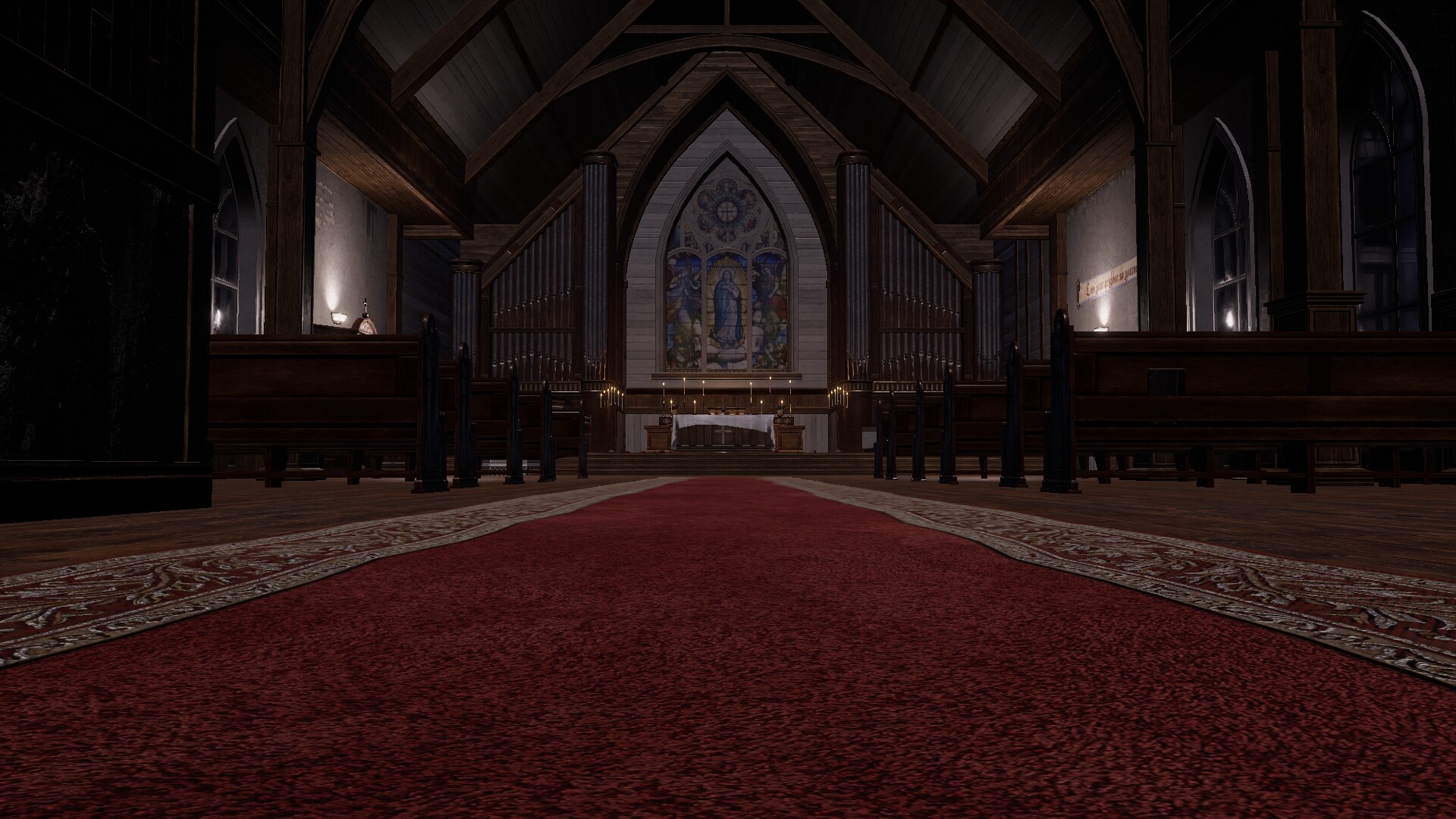
Trace of the Villa places you in Jin’s shoes: a lone protagonist following cold leads to a remote, decaying mansion where recovered manifests and hints suggest his missing sister may still be alive. Released on 28 May, 2026 and developed and published by Steadyturtle Co., Ltd., the game frames puzzles as pieces of an investigation—evidence you must read, piece together, and interpret to reconstruct what happened inside.

Who: who should wishlist or play this?
Trace of the Villa suits players who prefer atmospheric mystery adventure and clue-driven exploration over twitch action: people who enjoy environmental storytelling, gradual information reveals, and puzzles that act like forensic evidence. If you value narrative puzzle design where every locked drawer or decrypted manifest is a thread in a wider psychological investigation, this is aimed at you.
What: what the game is
On Steam the title is listed under Action, Adventure, Indie and as a Single-player experience with accessibility options such as Color Alternatives, Custom Volume Controls, Playable without Timed Input, and Subtitle Options. The official short description frames the premise bluntly: Jin has spent years searching for his missing sister and follows leads to a mansion where recovered manifests and hints may point to her still being alive.
When & where: availability on Steam
Trace of the Villa released on 28 May, 2026 and is available on Steam for PC. The store page and screenshots are the primary place to judge tone and puzzle presentation; at time of writing there are no user reviews on the Steam page.
Why the theme matters: puzzles as evidence
Where many puzzle adventures use objects as mechanical obstacles, Trace of the Villa treats them as evidentiary fragments. The official description emphasizes restored systems, hidden compartments, safes that yield encrypted documents, and financial trails that “lead nowhere.” That framing turns solving into interpretation: a decoded note isn’t just an answer, it’s a clue that changes how you read the mansion and the people who passed through it. Thematically, this pushes the game toward psychological investigation and slow-burn suspense rather than immediate confrontation.
How you progress: reading clues, object logic, and story puzzles
According to the official description, progression pivots on restoring power, bringing systems back online, and unlocking secured areas that reveal fragments—manifests, encrypted documents, suspicious transfer records. Those are specific hooks for three puzzle modes you can expect:
- Clue reading: manifests and notes are primary evidence. Players must interpret fragmentary records to build timelines and motives.
- Object logic: safes, locked doors and hidden compartments function as physical puzzles whose solutions unlock further evidence rather than merely letting you advance a corridor.
- Story puzzles: decrypted documents and restored systems recontextualize the environment, shifting the narrative and offering new lines of inquiry.
Because the game lists “Playable without Timed Input” among its categories, the emphasis is on careful inspection and deduction rather than reflexes.
Compact facts — Trace of the Villa
| Title | Trace of the Villa |
|---|---|
| Steam AppID | 3483660 |
| Release date | 28 May, 2026 |
| Developer | Steadyturtle Co., Ltd. |
| Publisher | Steadyturtle Co., Ltd. |
| Genres | Action, Adventure, Indie |
| Categories / notable features | Single-player; Color Alternatives; Custom Volume Controls; Playable without Timed Input; Subtitle Options; Family Sharing |
| Official short description | Jin has spent years searching for his missing sister, pursuing leads that took him to a remote, decaying mansion where he recovered manifests and hints that indicate his sister may still be alive, somewhere at the end of the trail he is about to follow. |

How it compares: concise editorial table
| Title | Atmosphere | Puzzle focus | Exploration style | Story tone / pacing | Player fit |
|---|---|---|---|---|---|
| Trace of the Villa | Mansion mystery, slow-burn suspense | Clue-as-evidence: manifests, encrypted docs, safes | Methodical, investigative room-to-room | Psychological investigation; gradually revealed operation | Players who want narrative-driven puzzles and forensic reading |
| The Room | Secluded, tactile curiosity | Mechanical puzzle boxes and locks | Focused, single-room puzzle sequences | Mystery revealed through object-interaction; deliberate pacing | Players who prefer handcrafted mechanical puzzles and tactile solutions |
| The Room Two | Broader, uncanny exploration | Complex puzzle devices with layered mechanics | Linked environments with transitional set-pieces | Expands the mystery scale; deliberate, puzzle-led pacing | Fans of multi-stage mechanical puzzles and escalating reveals |
| Escape Simulator | Bright, interactive escape-room design | High interactivity—move, combine, manipulate many items | Room-to-room but physics and object manipulation are central | Faster, puzzle-variety focused; community-made content extends scope | Players who like tactile interaction, co‑op options, and sandbox puzzles |
| Unpacking | Zen, domestic, quiet | Inventory and placement as puzzle—what belongs where | Calm, scene-by-scene revelation of a life through objects | Low tension, reflective pace; narrative told through possessions |
Steam pageView Trace of the Villa on Steam YouTube discoveryFor trailer and gameplay discovery, use YouTube search rather than relying on unverified embeds: Find Trace of the Villa trailer and gameplay searches on YouTube. CommentsMore posts |
Leave a Reply