Trace of the Villa — When puzzles are evidence and the house is the witness
Trace of the Villa places you in Jin’s shoes: a relentless search for a missing sister leads to a remote, decaying mansion that quietly hides its own paperwork, systems, and secrets. The game pairs atmospheric mystery adventure with methodical clue-reading and object logic so each solved lock or restored circuit reads like evidence in a psychological investigation.

Quick facts
| Title | Trace of the Villa |
|---|---|
| Release date | 28 May, 2026 |
| Developer / Publisher | Steadyturtle Co., Ltd. |
| Genres | Action, Adventure, Indie |
| Key Steam categories | Single-player; Color Alternatives; Custom Volume Controls; Playable without Timed Input; Subtitle Options; Family Sharing |
| Steam AppID | 3483660 |
Who is this for?
Trace of the Villa will appeal to players who value environmental storytelling and slow-burn suspense over twitch reflexes: think story-rich adventure players who like to treat rooms as dossiers and inventory items as corroborating evidence. If you enjoy mansion mystery titles where every object can change your reading of events, or you prefer narrative puzzle design that rewards attention and deduction, this is aimed at you.
What the game is
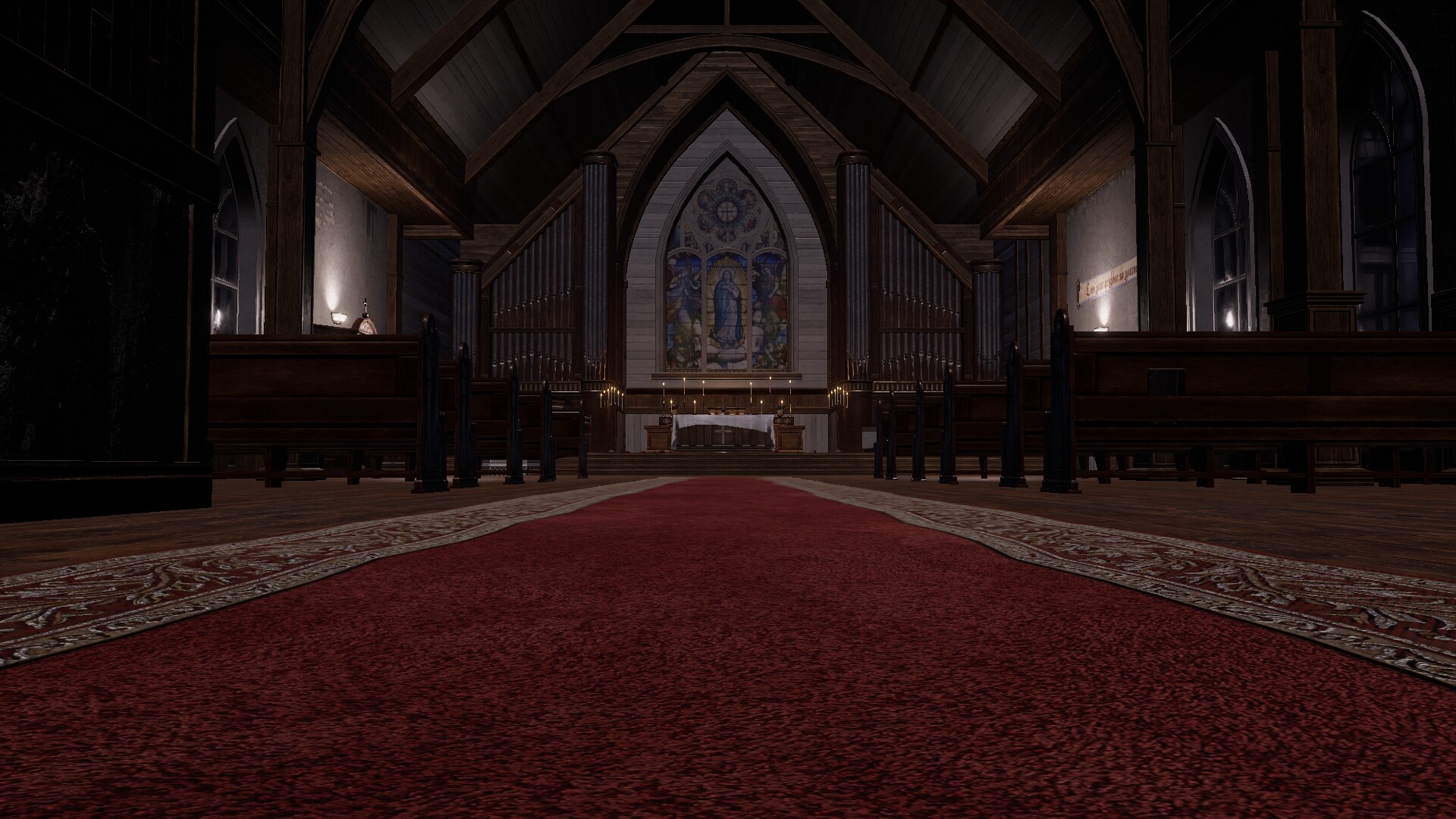
Officially described on Steam, the premise is simple and focused: Jin, chasing leads about his missing sister, finds a cut-off estate whose furnishings suggest an abrupt erasure of identity. When Jin restores power, the house begins to yield manifests, encrypted documents, hidden compartments and suspicious transfer records — each puzzle solved reveals another layer of a carefully concealed operation. The mood, per the store page, is more investigation than jump-scare; it’s an exploration of traces and the systems that hid them.
When and where
Trace of the Villa is available on Steam; its release date on the store is 28 May, 2026. The Steam page lists developer and publisher as Steadyturtle Co., Ltd., and the game’s store listing includes standard PC-friendly options such as subtitle support, custom volume controls, and a “playable without timed input” tag.
Why the theme matters: puzzles as evidence
The central conceit — puzzles functioning as evidentiary fragments — changes how you interpret solutions. Instead of a code being just a door opener, a solved cipher becomes a document fragment that rewrites the mansion’s timeline. That turns object logic and clue-reading into a narrative engine: environmental details corroborate or contradict recovered manifests; restored systems reintroduce data that can invalidate earlier hypotheses. This is puzzle design tuned toward narrative logic, not abstract pattern solving alone.
How you progress: reading clues, object logic, and story puzzles
Based on the official description, progression is built around three linked behaviors:
- Restoring systems — when power and systems come back online, previously inert devices begin to reveal data or mechanical interactions.
- Examining objects — personal effects and locked storage act as contextual evidence; their presence or absence shifts the interpretation of other clues.
- Decoding fragments — safes and encrypted documents yield pieces of a larger financial and identity puzzle, so each solved puzzle fills in timeline gaps rather than just granting access.
That chain — power, objects, fragments — reinforces the mansion mystery tone and makes puzzles operate like courtroom exhibits: they support a reading of events you must test and revise.

Player scenarios — who should wishlist (and who might skip)
- Wishlist if you want: an atmospheric mystery adventure driven by clue-reading, object logic, and slow unspooling of a conspiracy-like timeline.
- Wishlist if you prefer: story-rich adventure pacing and environmental storytelling to mechanical challenge — puzzles are narrative tools, not standalone obstacles.
- Maybe skip if you need: fast action loops, multiplayer features, or broadly arcade-style combat; the Steam tags emphasize single-player and narrative accessibility (e.g., playable without timed input).
How it differs from similar mystery/puzzle titles
Below is a short comparison focused on genre, atmosphere, puzzle focus, exploration style and pacing — not on sales or review claims.
| Title | Primary mood | Puzzle focus | Exploration style | Pacing |
|---|---|---|---|---|
| Trace of the Villa | Mansion mystery; slow-burn suspense; psychological investigation | Clue-driven puzzles as narrative evidence (encrypted docs, manifests, systems) | Room-by-room forensic reading of objects and systems | Measured, story-led |
| The Room | Mysterious, tactile puzzle boxes | Mechanical puzzles centered on an immersive object | Focused, single-chamber progression | Compact, puzzle-centric |
| Escape Simulator | Interactive, playful escape rooms | Highly interactive manipulation; community rooms | Room-based, physics and item interaction | Variable — can be brisk or intricate depending on room |
| Unpacking | Zen, domestic narrative discovery | Spatial, object-placement puzzles that reveal life stories | Progressive domestic spaces that build character through items | Slow, reflective |
Practical notes
The store data lists Trace of the Villa under Action / Adventure / Indie and includes accessibility-friendly categories such as subtitles and “playable without timed input.” If you want to follow this one on Steam you can use the official store link below.
Steam store: Trace of the Villa on Steam
YouTube discovery
To find trailers or gameplay footage, search YouTube using this query path (this is a discovery link and not a verified official video): Trace of the Villa trailer / gameplay on YouTube.
Editor’s take — final decision framework
If you prize narrative puzzle design where each solved challenge functions as corroborating evidence — and you like your mystery delivered at a forensic, atmospheric pace inside a decaying mansion — Trace of the Villa should be on your radar. If you prefer stand-alone mechanical puzzles or social multiplayer puzzle cores, consider the comparison table above to find a closer fit.
Disclaimer: Referenced titles and trademarks belong to their respective owners. Comparisons are editorial discovery only and do not imply endorsement.
Leave a Reply