
Trace of the Villa: puzzle design as evidence and narrative logic
Trace of the Villa tasks you with reading a house like a crime scene: Jin follows manifests, encrypted fragments and locked systems in a decaying mansion to decide what actually happened. The game leans on clue-reading, object logic and story puzzles to convert isolated details into a disturbing operational timeline.

Quick facts
| Title | Trace of the Villa |
|---|---|
| Release date | 28 May, 2026 |
| Developer / Publisher | Steadyturtle Co., Ltd. |
| Genres | Action, Adventure, Indie |
| Steam categories | Single-player; Color Alternatives; Custom Volume Controls; Playable without Timed Input; Subtitle Options; Family Sharing |
| Steam appid | 3483660 |
| Premise (short) | Jin searches a remote, decaying mansion and recovers manifests and hints suggesting his missing sister may still be alive. |
Who should consider wishlisting this?
This is for players who prefer slow-burn suspense and environmental storytelling over combat spectacle: people who like reading notes, reconstructing timelines, and letting objects accumulate evidentiary weight. If you enjoy atmospheric mystery adventure and narrative puzzle design that uses exploration as interrogation, Trace of the Villa is aimed at you. If you want high-action reflex tests or multiplayer puzzle rooms, this may be less aligned with your tastes.
What the game is
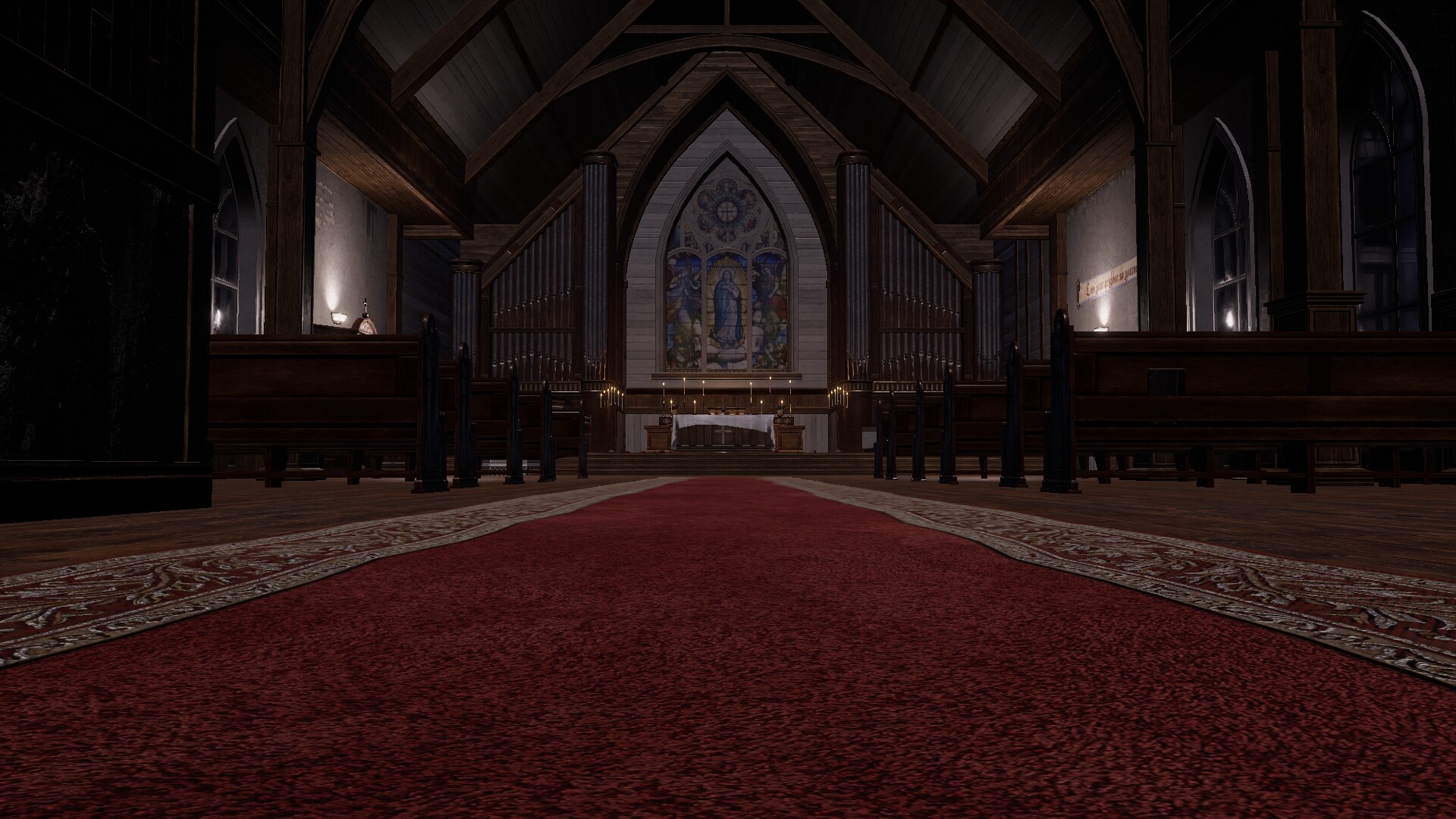
Trace of the Villa casts the player as Jin, a years-long searcher for his missing sister whose newest lead points to a deliberately forgotten mansion. According to the official Steam text, the estate appears “less abandoned than erased”: furnished rooms with personal items but no names, locked doors hiding secured secrets, and systems that reveal fragments only when power and access are restored. Puzzles appear tied to restoring systems, unlocking safes and decrypting documents — each solved puzzle is also a piece of evidence that reshapes the narrative picture.
When and where
Trace of the Villa released on Steam on 28 May, 2026. It is presented in the Steam/PC context as an indie Action/Adventure title from Steadyturtle Co., Ltd., and it carries Steam categories such as Single-player and Subtitle Options.
Why the theme matters: puzzles as evidence
The editorial frame here is that puzzles do more than gate progress — they are the primary means of evidentiary accumulation. The Steam description emphasizes manifests, encrypted documents, falsified identities and financial trails; solving a lock or restoring power doesn’t only open a door, it converts an ambiguous place into a documented sequence of events. For players interested in mystery as reconstruction rather than jump scares, this approach foregrounds logical inference: every object is a potential datum.
How you read clues and progress
From the official details, progression is a mixture of environmental interaction and investigative logic. You restore estate power to bring systems back online, locate hidden compartments and open safes that yield fragments of encrypted documents and transfer records. Clue reading therefore functions on two levels: micro — deducing how a single object or device operates; and macro — assembling documents and traces into an operational timeline that explains arrivals, departures and the unusual absence of identities. The game rewards players who track small discrepancies, cross-reference manifests, and treat in-game systems as databases worth interrogating.

Player scenarios — who will enjoy it, and who might not
- The methodical investigator: You keep notes, map object relationships, and enjoy building timelines from small clues. This profile fits well: the game’s puzzles explicitly produce documentary fragments and restored systems.
- The atmospheric explorer: You value mood, slow pacing and environmental storytelling. Trace of the Villa’s decaying mansion setting and “erased” identities will appeal.
- The puzzle-room sprinter: If you prefer rapid puzzle throughput, open-play co-op rooms, or physics-first interactions, games focused on interactive escapism may be a better match.
- The action-first player: Despite the Action label, the Steam description and categories emphasize single-player investigative systems rather than competitive or reflex-based modes.
How it compares — short table
| Title | Release | Genre | Puzzle focus | Atmosphere & pacing |
|---|---|---|---|---|
| Trace of the Villa | 28 May, 2026 | Action / Adventure / Indie | Clue-driven object logic, decrypting documents, restoring systems | Mansion mystery, slow-burn suspense, investigative |
| The Room | 28 Jul, 2014 | Adventure / Indie | Mechanical puzzles and safes; tactile puzzle boxes | Isolated, puzzle-centric, intimate tension |
| Escape Simulator | 19 Oct, 2021 | Adventure / Simulation / Indie | Highly interactive escape-room puzzles, object manipulation | Player-driven tempo, often fast problem-solving or co-op |
| Unpacking | 1 Nov, 2021 | Casual / Indie / Simulation | Object placement as narrative clue (domestic life) | Zen, contemplative, slow and domestic |
Use this to match your preference: Trace of the Villa sits closer to investigative, story-puzzle experiences like The Room in evidence-focused design, but its emphasis on restored systems and document trails sets a different investigative scale compared to tight mechanical puzzles or physics-first escape rooms.
YouTube discovery
Steam page
View Trace of the Villa on Steam
YouTube discovery
For trailer and gameplay discovery, use YouTube search rather than relying on unverified embeds: Find Trace of the Villa trailer and gameplay searches on YouTube.
Leave a Reply