Trace of the Villa — When Puzzles Act as Evidence
Trace of the Villa frames its mansion mystery around documents, manifests and locked systems so that every solved puzzle reads like a piece of evidence in a larger investigation. As Jin follows fragments of identity and financial trails through a decaying estate, the game’s object logic and story puzzles do most of the narrative heavy lifting.

Quick facts
| Title | Trace of the Villa |
|---|---|
| Release date | 28 May, 2026 |
| Developer / Publisher | Steadyturtle Co., Ltd. |
| Genres | Action, Adventure, Indie |
| Steam categories | Single-player; Color Alternatives; Custom Volume Controls; Playable without Timed Input; Subtitle Options; Family Sharing |
| Steam page | View Trace of the Villa on Steam |
What the game is — atmosphere, premise and puzzle role
Trace of the Villa is an atmospheric mystery adventure about Jin, who has spent years searching for his missing sister. A lead brings him to a remote, decaying mansion where he recovers manifests and hints that indicate his sister may still be alive. The official description makes clear the mansion’s puzzles are not decorative: restoring power brings systems back online, hidden compartments unlock, and safes yield fragments of encrypted documents and suspicious transfer records. Puzzles function as evidentiary steps — each solved object or code both opens the next area and refines the player’s reading of what happened here.
Who this is for
- Players who prefer slow-burn suspense and environmental storytelling over fast-paced combat or reflex tests. The listing highlights a mansion cut off from the grid and a tone of erased identities rather than action setpieces.
- Detective-minded players who enjoy clue reading: recovered manifests, encrypted documents and transfer records are central narrative tokens that require synthesis rather than repetition.
- Accessibility-minded players: the Steam categories include Playable without Timed Input, Subtitle Options, Color Alternatives and Custom Volume Controls—useful indicators that the experience supports considered, patient play.
When and where — Steam details
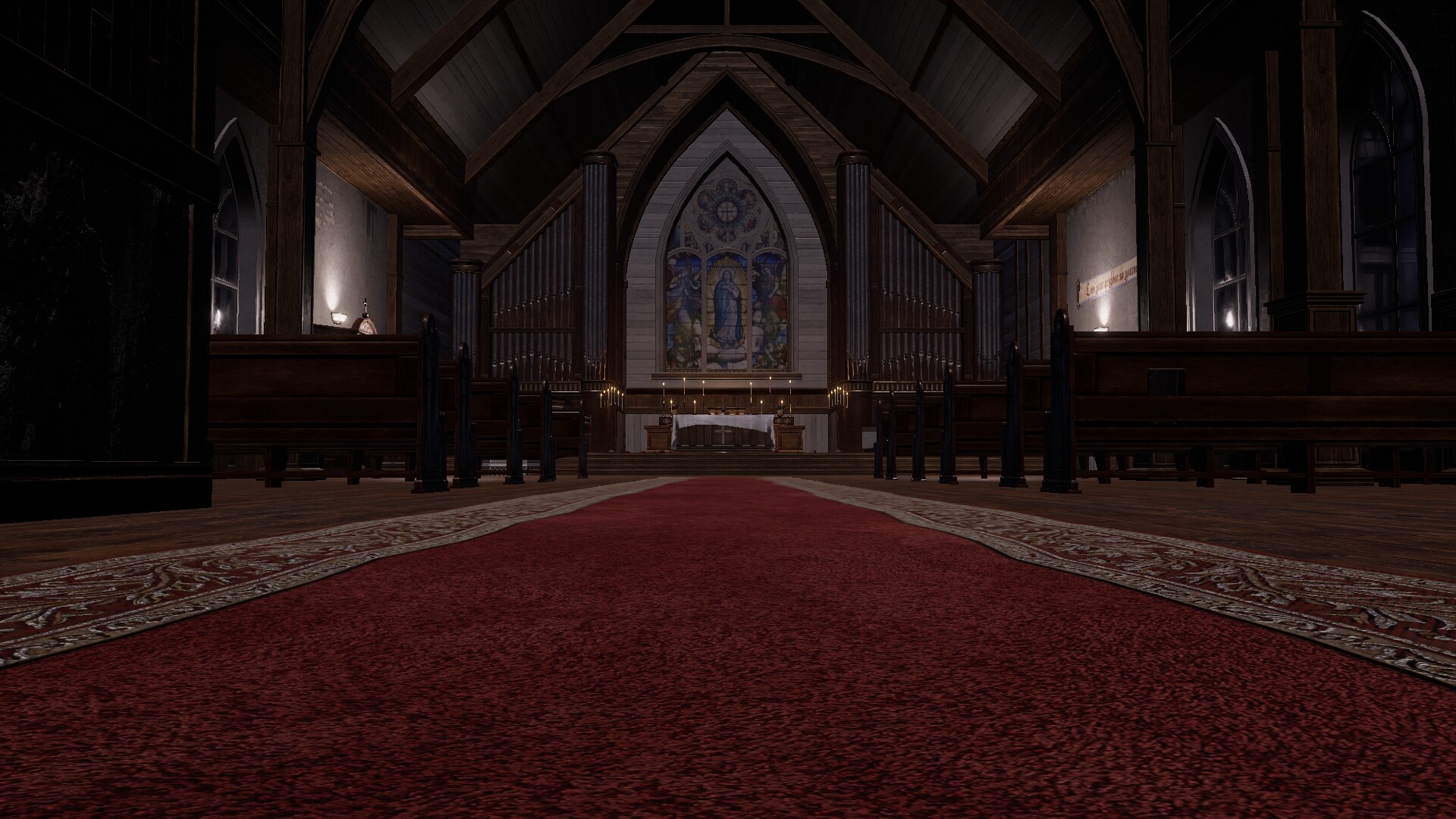
Trace of the Villa released on Steam on 28 May, 2026. The game’s Steam page lists Steadyturtle Co., Ltd. as both developer and publisher and categorizes it under Action, Adventure and Indie for discovery. The Steam store asset set includes the official header and multiple screenshots that underline the mansion’s dim, furnished rooms and interface elements tied to investigation.
How you read clues and progress
The official copy describes a clear investigative loop: restore power, watch secured systems come back online, and follow the new signals those systems reveal. Mechanically, that translates to puzzles that unlock compartments and safes and reveal documents — manifests, encrypted fragments and suspicious transfers — which the player pieces together into a timeline. The narrative logic here treats each puzzle as evidence: solving one doesn’t merely remove an obstacle, it changes the meaning of earlier fragments and refocuses your attention to new suspects, routes, or possible outcomes.

Why the theme matters — puzzles as narrative evidence
Many puzzle games use objects to decorate a scene; Trace of the Villa uses them as testimony. The absence of photographs, names and histories in the mansion’s rooms — described in the official text — turns ordinary objects into the only surviving record. That makes object logic and clue reading a narrative engine: you’re not just solving for a gatecode, you’re interpreting why the gate was sealed and who benefited from the concealment. For players motivated by story inference, that dynamic keeps puzzles meaningful across the whole run.
How it compares to nearby puzzle-adventure picks
Below is an editorial comparison focused on puzzle focus, atmosphere and player fit — not a ranking. These comparisons use genre, tone and design emphasis as lawful editorial criteria.
| Game | Puzzle focus | Atmosphere | Exploration style | Player fit |
|---|---|---|---|---|
| Trace of the Villa | Clue-driven object logic: manifests, safes, encrypted documents act as evidence for a missing-person investigation. | Decaying, erased identities; slow-burn, investigative tension. | Single-player, exploration tied to restoring systems and unlocking hidden compartments. | Players who want narrative puzzles that change how you read the scene. |
| The Room | Mechanical puzzle boxes and tactile object puzzles that reveal a central mystery. | Claustrophobic, antique-mechanical mystery. | Focused on discrete, staged puzzle chambers rather than a sprawling estate. | Players who enjoy handcrafted puzzle objects and tactile solutions. |
| Escape Simulator | Highly interactive escape-room puzzles; physics and item interaction are prominent. | Bright, playful or tense depending on room design; community-created rooms broaden tone. | Room-by-room exploration with emphasis on object manipulation; co-op options expand playstyles. | Players who like highly interactive puzzles, physics, and cooperative solving. |
| Unpacking | Puzzle as domestic inference: object placement informs a life story rather than unlocking a door.
YouTube discoveryFor trailer and gameplay discovery, use YouTube search rather than relying on unverified embeds: Find Trace of the Villa trailer and gameplay searches on YouTube. CommentsMore posts |
Leave a Reply